SS / Duplex & Super Duplex Unequal Tee
Home - SS / duplex & super duplex - SS / duplex & super duplex Forged Pipe Fittings - SS / Duplex & Super Duplex Unequal Tee
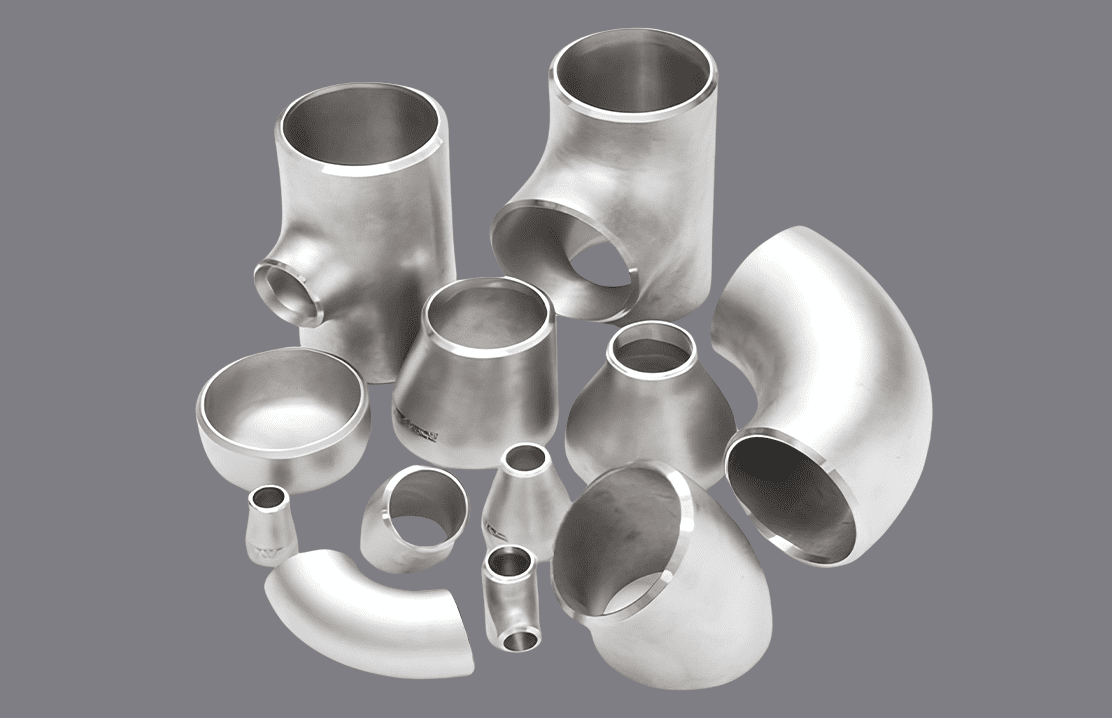
SS / Duplex and Super Duplex Unequal Tee
EBY Fasteners offers a superior range of SS / Duplex and Super Duplex Unequal Tees designed to meet the demands of diverse industries and applications. Our stainless steel (SS) unequal tees provide reliable corrosion resistance and strength, making them suitable for various piping systems in industrial and chemical processing settings
When extreme conditions like seawater, aggressive chemicals, and high pressure are a concern, EBY Fasteners’ Super Duplex unequal tees deliver the ultimate performance. These tees are engineered with exceptional corrosion resistance and mechanical strength, ensuring long-term reliability in the most unforgiving environments
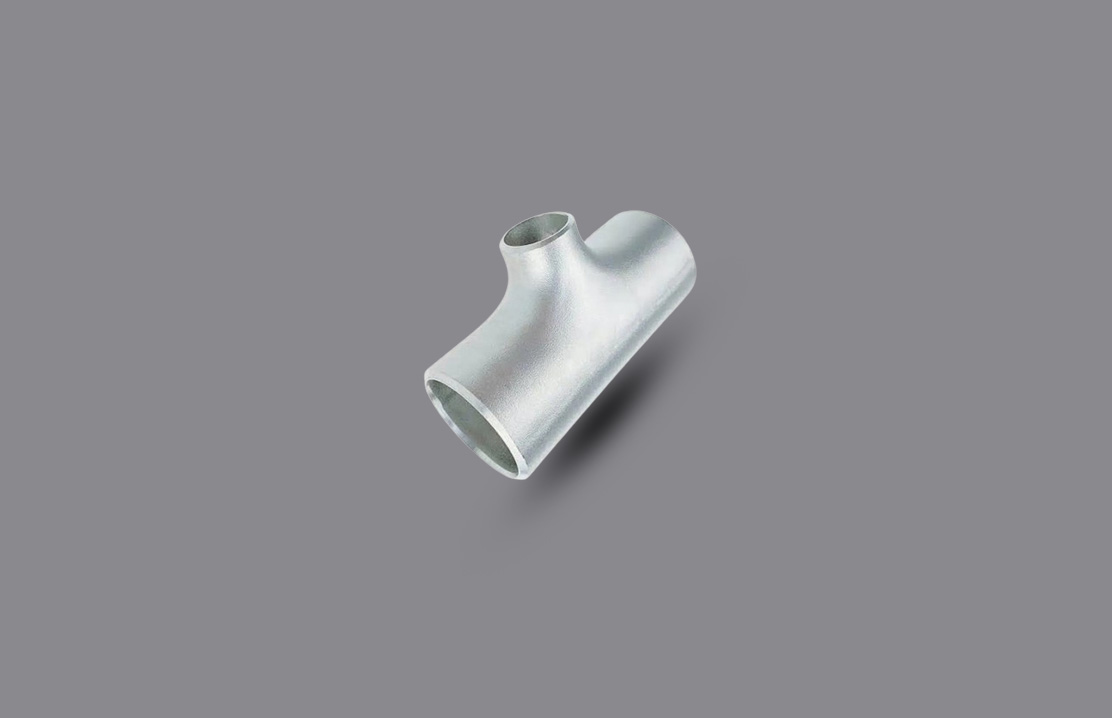
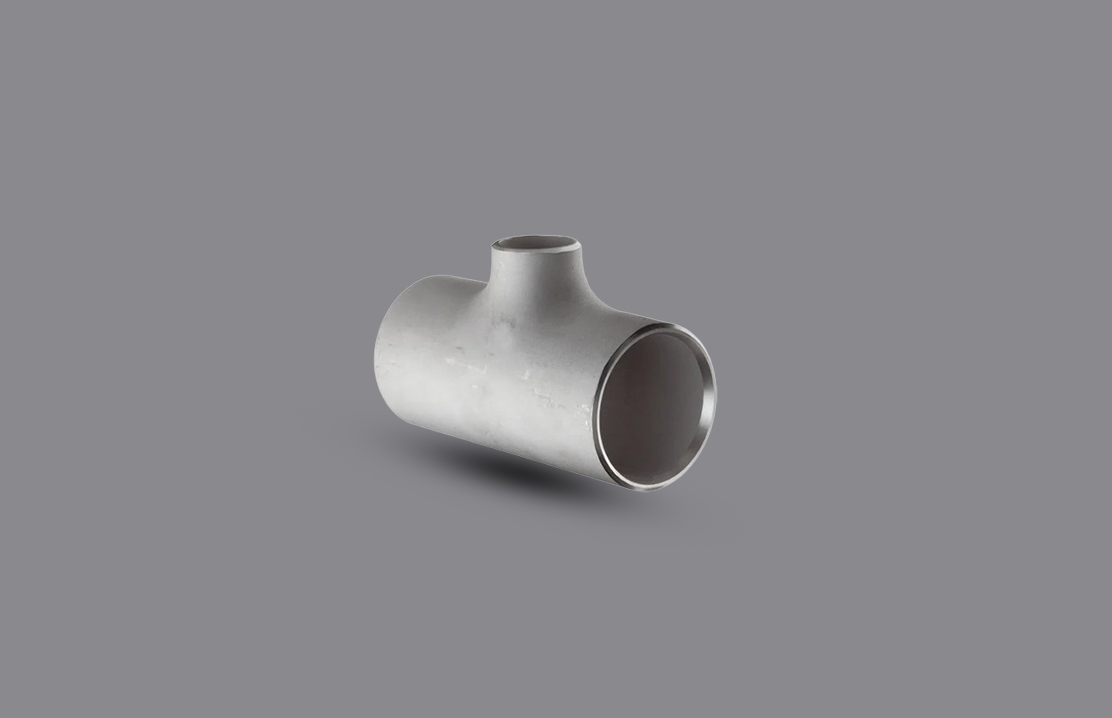
Trust EBY Fasteners for your SS / Duplex and Super Duplex Unequal Tee needs. We stock a wide range of sizes and specifications, backed by our commitment to quality and customer service. With our extensive inventory and expertise, we’ll ensure you have the right unequal tees to guarantee a smooth and successful installation process
Trust EBY Fasteners for your SS / Duplex and Super Duplex Unequal Tee needs. We stock a wide range of sizes and specifications, backed by our commitment to quality and customer service. With our extensive inventory and expertise, we’ll ensure you have the right unequal tees to guarantee a smooth and successful installation process
- ASTM A403 WP316/316L : These grades offer good corrosion resistance, particularly to chlorides, making them widely used in chemical processing, marine, and food industries. 316L's lower carbon content makes it superior for welding, minimizing the risk of carbide precipitation that compromises corrosion resistance.
- ASTM A403 WP304/304L : Similar to above, this spec focuses on 304/304L, the foundational austenitic stainless steels. Versatile and cost-effective, they're used where moderate corrosion resistance is sufficient. 304L, again, is the low-carbon variant for improved weldability.
- ASTM A182 F316L, 304L : Forged fittings (stronger than wrought) fall under this spec. Similar benefits of 316L and 304L apply, but forged parts are ideal for higher pressures and demanding applications.
- DIN 1.4301, DIN 1.4306, DIN 1.4401, DIN 1.4404 : These German standards align closely with the ASTM grades. DIN 1.4301/1.4306 are akin to 304/304L, while 1.4401/1.4404 resemble 316/316L. International projects may specify DIN grades.
- ASTM A815, ASME SA815 UNS NO S31803, S32205 : This wide-ranging specification covers wrought duplex and super duplex fittings. S31803/S32205 ("2205") is the common duplex grade, offering a balance of strength and corrosion resistance superior to standard stainless. It excels in chloride environments and applications needing toughness
- Materials : Start with basic stainless steel (304, 316) for moderate corrosion resistance. Consider 316L for easier welding. Duplex grades (like F51) offer better strength and handle harsher chemicals. Super Duplex (like F55) is for extreme conditions – seawater, aggressive chemicals, etc.
- Construction : Seamless tees are forged for maximum strength, ideal for high-pressure uses. Welded tees are more cost-effective for less demanding applications.
- Sizes : Unequal tees come in various Nominal Pipe Sizes (NPS) to match different piping diameters. Choose a wall thickness (schedule) based on your pressure needs.
- End Connections : Threaded connections (often NPT) are easy to install. Butt-weld connections are permanent and incredibly strong. Socket-weld connections provide strength and smooth flow.
- Applications : Stainless steel works for moderate corrosion and pressures. Duplex tees handle tougher chemicals and higher pressures. Super Duplex tees are the ultimate choice for seawater, aggressive chemicals, and extreme pressure situations
- Corrosion Resistance : Stainless steel tees offer a baseline of protection. Duplex tees excel against pitting, crevice corrosion, and chloride stress-cracking. Super Duplex tees provide the ultimate defense against seawater and aggressive chemicals.
- Strength : Stainless steel tees are strong for standard uses. Duplex tees offer increased strength for higher pressures and tougher environments. Super Duplex tees boast exceptional strength for the most demanding applications.
- Versatility : Unequal tees come in various sizes (NPS and wall thicknesses) for seamless integration. Choose threaded, butt-weld, or socket-weld connections to match your installation needs.
- Challenging Environments : Stainless steel works for moderate conditions. Duplex tees handle harsh chemicals and higher pressures. Super Duplex tees are the top choice for extreme environments with seawater or aggressive chemicals.
- Longevity : The superior corrosion resistance and strength of Duplex and Super Duplex tees directly translate to a longer lifespan, reducing maintenance and downtime costs
- Refinery & Petrochemical : These tees are used in pipelines carrying process fluids with varying levels of corrosivity. Choose stainless steel for moderate, Duplex for tougher fluids, and Super Duplex for the most aggressive chemicals.
- Chemical : Unequal tees are essential for process piping handling a wide array of chemicals. Stainless steel suffices for basic chemicals, while Duplex or Super Duplex is needed for more corrosive substances.
- Oil & Gas : Super Duplex is crucial for subsea pipelines facing extreme seawater corrosion. Onshore, these tees are found in gathering lines and production equipment where corrosive fluids are present.
- Power Plant : Use these tees in cooling water systems (especially seawater), and auxiliary piping handling process fluids where corrosion is a concern. Match the tee material to the corrosiveness of the fluid.
- Offshore Platforms : Super Duplex is vital in seawater systems (firefighting, ballast), process lines handling corrosive fluids, and even structural elements exposed to the harsh marine environment.
- Ship Building : Super Duplex is the ultimate choice for ballast water systems due to its seawater resistance. It's also used in fuel lines and cooling systems.
- Industrial Machineries : Unequal tees connect pipes in various machines, with the level of corrosion resistance needed depending on the specific fluids being handled by the machinery.
- Pharmaceuticals : Use these tees for process piping where less aggressive chemicals are involved, and where hygiene is a priority. Stainless steel or Duplex may be used depending on the application.
- Pumps & Compressors : Unequal tees provide secure connections within piping systems associated with pumps and compressors, ensuring reliable flow.
- Dairy & Food : These tees find use in process piping handling food and beverage products with moderate corrosivity.
- Sugar Mills : Unequal tees may be used in juice processing lines where the fluids could have corrosive properties.
- Textile Machineries : These tees are utilized within dyeing and finishing equipment where piping systems handle dyes, chemicals, and process fluids.
- Fertilizers & Pesticides : Consider these tees for pipelines and storage vessels handling fertilizers and pesticides of moderate corrosivity
Chemical Composition
| Element | Percentage |
|---|---|
| C (max) | 0.03 |
| Cr | 24.0-26.0 |
| Ni | 6.0-8.0 |
| Mo | 3.0-5.0 |
| N | 0.24-0.32 |
| Other | Cu, W |
SS / duplex & super duplex Forged Pipe Fittings
- SS / Duplex & Super Duplex 45° Elbows
- SS / Duplex & Super Duplex 90° & Reducing Elbows
- SS / Duplex & Super Duplex Cross Tee
- SS / Duplex & Super Duplex Equal Tee
- SS / Duplex & Super Duplex Unequal Tee
- SS / Duplex & Super Duplex Forged Cap
- SS / Duplex & Super Duplex Forged Nipples
- SS / Duplex & Super Duplex Forged Union
- SS / Duplex & Super Duplex Full – Half & Reducing Coupling
- SS / Duplex & Super Duplex Plugs and Bushings
- SS / Duplex & Super Duplex Swage Nipples
- SS / Duplex & Super Duplex Reducing Insert Fittings