SS / Duplex & Super Duplex Full - Half & Reducing Coupling
Home - SS / duplex & super duplex - SS / duplex & super duplex Forged Pipe Fittings - SS / Duplex & Super Duplex Full - Half & Reducing Coupling
SS / Duplex and Super Duplex Full - Half and Reducing Coupling
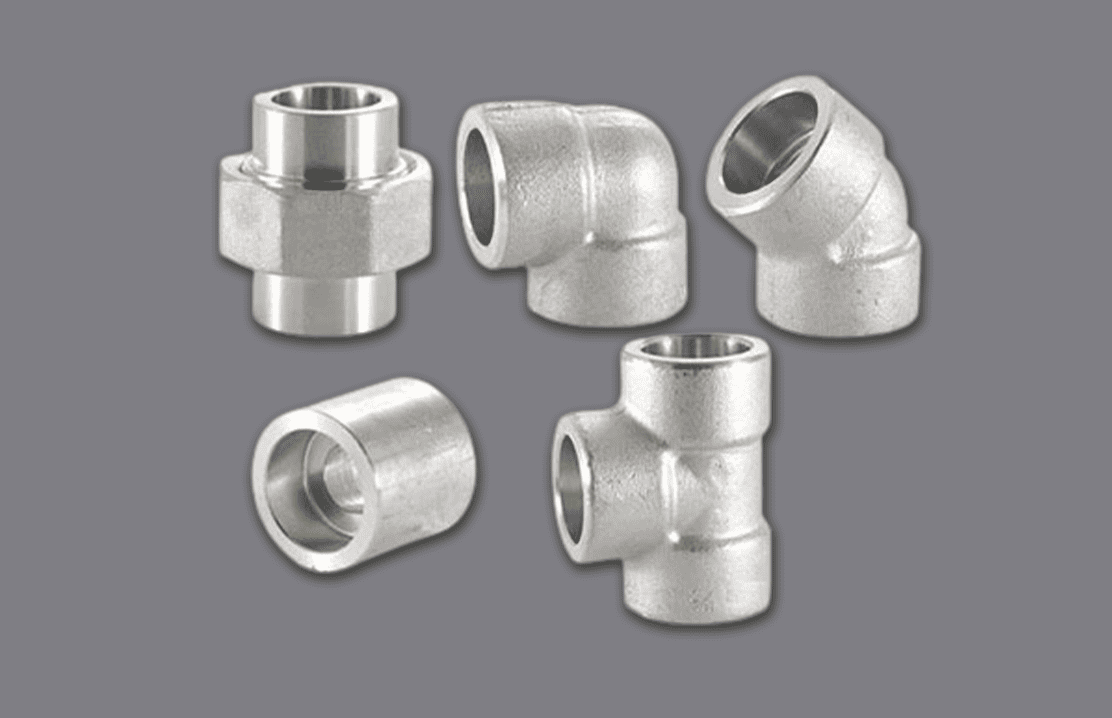
EBY Fasteners offers a range of couplings for piping systems, including SS (Stainless Steel), Duplex, and Super Duplex materials. These couplings provide robust, corrosion-resistant connections essential in demanding industrial applications. They come in various types
Full Couplings are standard fittings offering a straight connection between pipes of the same diameter. These are widely used for general piping needs. Half Couplings have one end with a socket for joining a pipe, while the other end is threaded. This allows them to be connected to different types of fittings or equipment. Reducing Couplings connect pipes of different diameters, providing a smooth transition in the piping system

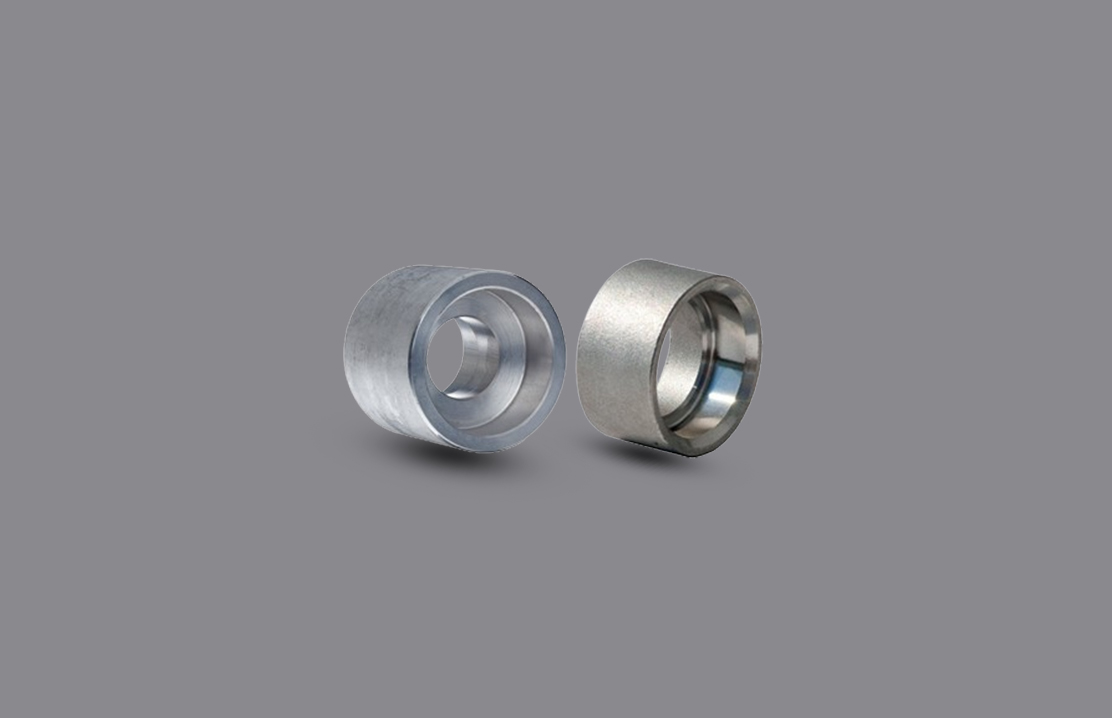
SS (Stainless Steel) couplings offer good corrosion resistance and strength, making them suitable for various environments. Duplex and Super Duplex couplings provide even higher corrosion resistance, especially in harsh environments containing chlorides or acids. They are often used in chemical processing, offshore installations, and marine applications where superior corrosion resistance is essential
SS (Stainless Steel) couplings offer good corrosion resistance and strength, making them suitable for various environments. Duplex and Super Duplex couplings provide even higher corrosion resistance, especially in harsh environments containing chlorides or acids. They are often used in chemical processing, offshore installations, and marine applications where superior corrosion resistance is essential
- 304/304L : These are your go-to grades for general use. They offer good corrosion resistance against a wide range of chemicals and are fairly easy to fabricate. 304L is specifically formulated for better weldability, making it ideal for projects with lots of connections.
- 316/316L : Your best defense against pitting and crevice corrosion caused by chlorides (think saltwater) and certain acids. This upgrade makes them essential in marine settings, the chemical industry, and anywhere chlorides are present. Again, the "L" version wins when welding is a major concern.
- 309S/310S : These are built for heat. When temperatures climb, these grades maintain their strength much better than standard stainless. You'll find them in furnaces, exhaust systems, and high-temperature chemical processes. 310S contains even more chromium and nickel, making it the ultimate choice for the absolute hottest environments.
- 321/321H/347/347H : These fight intergranular corrosion, a type of breakdown that can happen to stainless steel after it's been heated during welding. This makes them critical for equipment that will operate at elevated temperatures or is frequently welded. Both 321/321H (titanium-stabilized) and 347/347H (niobium-stabilized) do the job, offering slightly different benefits depending on the specific application.
- 904L : This super austenitic grade is for when things get seriously corrosive. It handles sulfuric acid, phosphoric acid, and even nasty chlorides with impressive resistance. It's your go-to for highly aggressive chemical environments where other stainless steels would fail.
- F51 (2205) : This grade delivers a powerful one-two punch: high strength and fantastic resistance to chloride stress corrosion cracking. This means it's a favorite for seawater applications, desalination plants, and chemical processes involving chlorides.
- F53/F55 : We're talking about even greater strength and even higher resistance to the most aggressive corrosive environments. These super duplex grades are often used for offshore oil and gas platforms, demanding chemical processes, and anywhere extreme durability is essential
- Material Grade : This identifies the specific stainless steel, duplex, or super duplex alloy (e.g., 316L, F51, etc.). Think of this as the recipe that determines the coupling's corrosion resistance, strength, and how it performs in different environments.
- Manufacturing Standard : Most often, you'll see ASTM A182/ASME SA182. This means the coupling meets strict industry requirements for composition, mechanical properties, and has undergone testing to ensure its quality.
- Connection Type : This determines how the coupling attaches to your pipes. Full couplings have both ends the same size for straight connections. Half couplings offer flexibility with one socket end (for welding) and one threaded end. Reducing couplings connect pipes of different diameters, ensuring smooth flow within your system.
- Size : Look for Nominal Pipe Size (NPS) – the standard measurement like 1", 2", etc. Sometimes you'll also see the Actual Outside Diameter (OD) which is the true physical measurement of the coupling.
- End Connections : Two main types determine how the coupling connects to your pipes. Socket Weld (SW) involves sliding the pipe into the socket and welding it for a secure connection. Threaded (NPT) uses matching threads on the pipe and coupling, allowing them to be screwed together directly.
- Pressure Rating : Represented as a class like 3000 or 6000, this indicates the maximum safe working pressure the coupling can handle. Higher classes mean greater pressure capacity.
- Schedule : Refers to the thickness of the coupling's wall. Common schedules are 40S and 80S, with thicker walls (higher numbers) designed to withstand more pressure
- Corrosion Resistance : All of these materials offer excellent resistance to general corrosion. Stainless steel is your starting point, while duplex and super duplex grades provide even higher resistance to chlorides, pitting, acids, and other harsh chemicals.
- Strength : Duplex and super duplex grades generally boast greater strength than standard stainless steel, making them ideal for high-pressure systems or demanding applications.
- Temperature Resistance : Depending on the specific grade, stainless steel, duplex, and super duplex can withstand both low and high temperatures, making them suitable for a wide range of applications.
- Weldability : Most grades can be readily welded, especially the "L" variations of stainless steel which are designed for better weldability.
- Versatility : With Full - half, and reducing options available, these couplings offer tremendous flexibility for joining pipes of the same or different diameters, along with connections to other equipment.
- Long Service Life : Due to their corrosion resistance and strength, couplings made from these materials offer a long lifespan and reduced maintenance, providing better long-term value
- Refinery and Petrochemical : SS, Duplex, and Super Duplex couplings handle hydrocarbons, acids, and high temperatures. The most resistant grades are crucial for aggressive processes.
- Chemical : These couplings are used extensively to handle various chemicals, especially chlorides and acids. Super Duplex is favored in extremely corrosive environments.
- Oil and Gas : Corrosion resistance is critical for pipelines and process equipment, especially offshore. Duplex and Super Duplex ensure reliability in seawater and harsh conditions.
- Power Plant : Couplings are used in cooling water systems, water treatment, and potentially high-temperature applications. The specific power plant type will dictate the grade needed.
- Offshore Platforms : Duplex and Super Duplex excel in marine environments, providing long-term resistance to seawater and salt spray, ensuring reliable piping systems.
- Ship Building : SS, Duplex, and Super Duplex are found in ballast systems, seawater piping, and various onboard chemical systems, offering durability in the marine environment.
- Industrial Machineries : Couplings are employed in hydraulics, chemical handling components, and any area where corrosion resistance is a factor.
- Pharmaceuticals : Stainless steel is common for its hygienic qualities and corrosion resistance. Smooth surface finishes are often necessary to meet strict pharmaceutical standards.
- Pumps and Compressor : Couplings provide leak-free connections and the ability to handle various fluids, their grade depending entirely on what liquids or gases the pumps and compressors handle.
- Dairy and Food : Stainless steel is the standard, specifically food-grade, for withstanding cleaning products and safely handling food products.
- Sugar Mills : Couplings manage corrosive juices and processing chemicals within sugar production. Grade selection depends on the aggressiveness of the fluids used.
- Textile Machineries : Couplings withstand the dyes, chemicals, and heat involved in textile manufacturing. Compatibility with the specific chemicals in use is key to choosing the right grade.
- Fertilizers and Pesticides : These industries demand highly corrosion-resistant couplings, often making Duplex or Super Duplex necessary to ensure safe, long-lasting systems
Chemical Composition
| Element | Percentage |
|---|---|
| Chromium (Cr) | 25% |
| Nickel (Ni) | 7% |
| Molybdenum (Mo) | 3.5-4.5% |
| Nitrogen (N) | 0.25-0.35% |
| Copper (Cu) | 1-2% |
| Tungsten (W) | 0.5-1% |
SS / duplex & super duplex Forged Pipe Fittings
- SS / Duplex & Super Duplex 45° Elbows
- SS / Duplex & Super Duplex 90° & Reducing Elbows
- SS / Duplex & Super Duplex Cross Tee
- SS / Duplex & Super Duplex Equal Tee
- SS / Duplex & Super Duplex Unequal Tee
- SS / Duplex & Super Duplex Forged Cap
- SS / Duplex & Super Duplex Forged Nipples
- SS / Duplex & Super Duplex Forged Union
- SS / Duplex & Super Duplex Full – Half & Reducing Coupling
- SS / Duplex & Super Duplex Plugs and Bushings
- SS / Duplex & Super Duplex Swage Nipples
- SS / Duplex & Super Duplex Reducing Insert Fittings