SS / Duplex & Super Duplex Reducing Insert Fittings
Home - SS / duplex & super duplex - SS / duplex & super duplex Forged Pipe Fittings - SS / Duplex & Super Duplex Reducing Insert Fittings
SS / Duplex and Super Duplex Reducing Insert Fittings
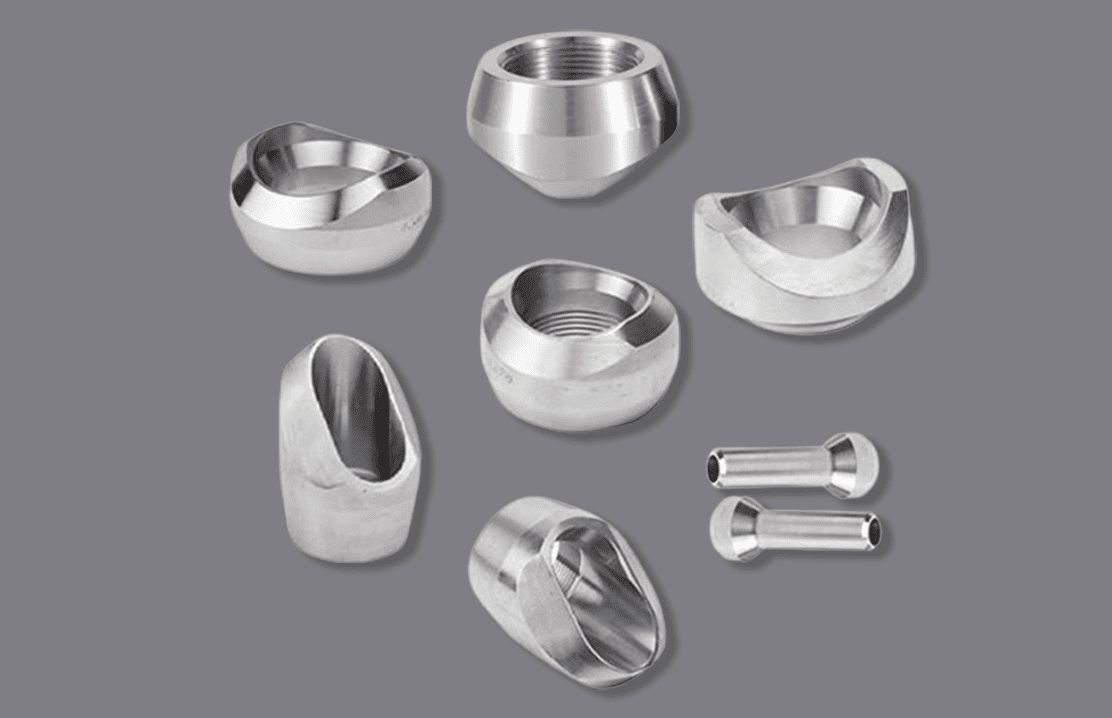
EBY Fasteners provides reducing insert fittings in a range of materials to meet your piping needs. Select standard stainless steel for general applications, duplex stainless steel for superior strength and corrosion resistance, or super duplex stainless steel for ultimate protection in harsh marine and chemical environments
EBY Fasteners’ reducing insert fittings are manufactured to exacting standards and come in various sizes, grades, and thread types to suit your specific requirements. Their commitment to quality makes them a trusted choice for demanding applications where performance and longevity are paramount


These fittings are vital for connecting pipes of varying sizes, ensuring a seamless transition within your system. They are ideal for demanding industries like oil and gas, petrochemicals, power generation, and shipbuilding, where reliability is critical


These fittings are vital for connecting pipes of varying sizes, ensuring a seamless transition within your system. They are ideal for demanding industries like oil and gas, petrochemicals, power generation, and shipbuilding, where reliability is critical
- F44 (660) : This specialized stainless steel grade boasts exceptional resistance to chloride pitting and crevice corrosion. While its use in reducing insert fittings is less common, it becomes invaluable in applications where aggressive environments would quickly degrade standard stainless steels.
- F45 (S31254) : Known as a "super austenitic" stainless steel, this grade stands out for its ability to withstand a wide array of corrosive substances, including strong acids. Its use in reducing insert fittings would be primarily in highly specialized systems within the chemical processing industry.
- F51 (S31803/2205) : The most widely used duplex stainless steel, this grade provides a superior balance of strength and resistance to pitting, crevice corrosion, and stress corrosion cracking. This versatility makes it a popular choice for reducing insert fittings in various demanding industries, from oil and gas to chemical processing.
- F53 (S32750) : This super duplex grade outperforms even the common F51 duplex in both corrosion resistance and strength. It's the ideal choice for reducing insert fittings exposed to extreme marine environments or handling highly corrosive chemicals where longevity and reliability are crucial.
- F55 (S32760) : Offering the ultimate corrosion resistance among the listed grades, it's reserved for the most severe applications. Reducing insert fittings made from F55 would be found in systems where failure due to corrosion is simply not an option.
- F60 (S32205) : A less commonly used duplex grade, offering properties largely comparable to the more popular F51. It might be used as an alternative in reducing insert fittings for applications with similar requirements.
- F61 (S32550) : Another less common super duplex grade, it excels in resisting chloride stress corrosion cracking and certain acids. This makes it a potential option for specialized reducing insert fittings in environments where these specific corrosion types are a major concern
- Materials : Reducing insert fittings come in various materials. Stainless steel grades like 304 and 316 provide different levels of corrosion resistance. Duplex fittings, usually made with 2205 grade, offer superior strength and corrosion resistance. Super duplex fittings, typically using 2507 grade, are ideal for the harshest environments.
- Dimensions : Key dimensions include Nominal Pipe Size (NPS), indicating compatibility with standard pipes, the diameters of the reducing ends, and the overall length of the fitting.
- Standards : Reducing insert fittings adhere to standards like ASTM/ASME A/SA 182 for material composition. Additionally, industry-specific standards like NACE might apply in harsh service environments.
- Pressure and Temperature Ratings : The pressure rating indicates the maximum safe operating pressure, often expressed as a Schedule Number. The temperature rating defines the fitting's suitable operating temperature range. Both pressure and temperature ratings heavily depend on the specific material grade.
- Other Specifications : Additional specifications can include thread types (e.g., NPT, BSPT), surface finish requirements for specific applications or hygienic needs, and potential coatings depending on the environment
- Grade Options : Available in 304 for general use and 316 for improved resistance against chlorides and acids, allowing selection based on the environment.
- Enhanced Strength : Significantly stronger than standard stainless steel, enabling the use of thinner-walled components reducing overall weight. This is beneficial where space constraints or weight reduction are critical.
- Superior Corrosion Resistance : Exceptional resistance to pitting, crevice corrosion, and stress corrosion cracking, especially in environments containing chlorides. Often surpasses even high-grade stainless steels.
- Temperature Versatility : Duplex grades maintain good ductility and toughness at low temperatures, expanding their potential applications compared to standard stainless steel.
- Cost vs. Performance : While the most expensive option, their superior corrosion resistance and durability can reduce long-term maintenance and replacement costs, making them a valuable investment in critical systems
- Refinery and Petrochemical : SS is suitable for less corrosive areas. Duplex is used where aggressive chemicals or stress corrosion cracking are concerns. Super duplex is essential for extreme environments or high-pressure applications.
- Chemical : SS handles general process lines and less aggressive substances. Duplex becomes necessary for moderately corrosive chemicals, especially chlorides. Super duplex is vital for the most severe environments with strong acids or alkalis.
- Oil and Gas : SS is limited to topside equipment and less demanding pipelines. Duplex is crucial for subsea components exposed to saltwater and produced fluids. Super duplex is used in wellheads, manifolds, and other critical systems facing harsh conditions.
- Power Plant : SS is used in general water systems. Duplex and super duplex are used for seawater cooling, corrosive water treatment chemicals, and potentially in high-temperature areas.
- Offshore Platforms : Duplex is the primary choice due to constant saltwater exposure. Super duplex is reserved for applications demanding the ultimate in corrosion resistance and strength to withstand marine conditions.
- Ship Building : SS is used for freshwater systems and general applications. Duplex is used for ballast water, seawater piping, and fire suppression. Super duplex is essential for chemical tankers and systems handling highly corrosive substances.
- Industrial Machineries : SS is common for hydraulics and less corrosive fluids. Duplex and super duplex are used where corrosive chemicals, high pressures, or marine environments are present.
- Pharmaceuticals : High-grade stainless steel (316L) is the standard for hygiene. Super duplex might be used for harsh cleaning agents or processes involving high chlorides.
- Pumps and Compressors : Material choice depends entirely on the fluids handled. SS is sufficient for less aggressive substances, while duplex or super duplex are necessary for corrosive or abrasive fluids.
- Dairy and Food, Sugar Mills, Textile Machineries : Stainless steel (often food-grade) provides compatibility with foodstuffs and resistance to cleaning chemicals. Duplex or super duplex might be needed for exceptionally harsh cleaners or corrosive byproducts.
- Fertilizers and Pesticides : Duplex and super duplex are indispensable in handling the highly corrosive chemicals used in production and application
Chemical Composition
| Element | Percentage |
|---|---|
| Carbon (C) | 0.03% max |
| Chromium (Cr) | 24-26% |
| Nickel (Ni) | 6-8% |
| Molybdenum (Mo) | 3-4% |
| Manganese (Mn) | 1-2% |
| Silicon (Si) | 1% max |
| Phosphorus (P) | 0.03% max |
| Sulfur (S) | 0.02% max |
| Nitrogen (N) | 0.14-0.2% |
SS / duplex & super duplex Forged Pipe Fittings
- SS / Duplex & Super Duplex 45° Elbows
- SS / Duplex & Super Duplex 90° & Reducing Elbows
- SS / Duplex & Super Duplex Cross Tee
- SS / Duplex & Super Duplex Equal Tee
- SS / Duplex & Super Duplex Unequal Tee
- SS / Duplex & Super Duplex Forged Cap
- SS / Duplex & Super Duplex Forged Nipples
- SS / Duplex & Super Duplex Forged Union
- SS / Duplex & Super Duplex Full – Half & Reducing Coupling
- SS / Duplex & Super Duplex Plugs and Bushings
- SS / Duplex & Super Duplex Swage Nipples
- SS / Duplex & Super Duplex Reducing Insert Fittings