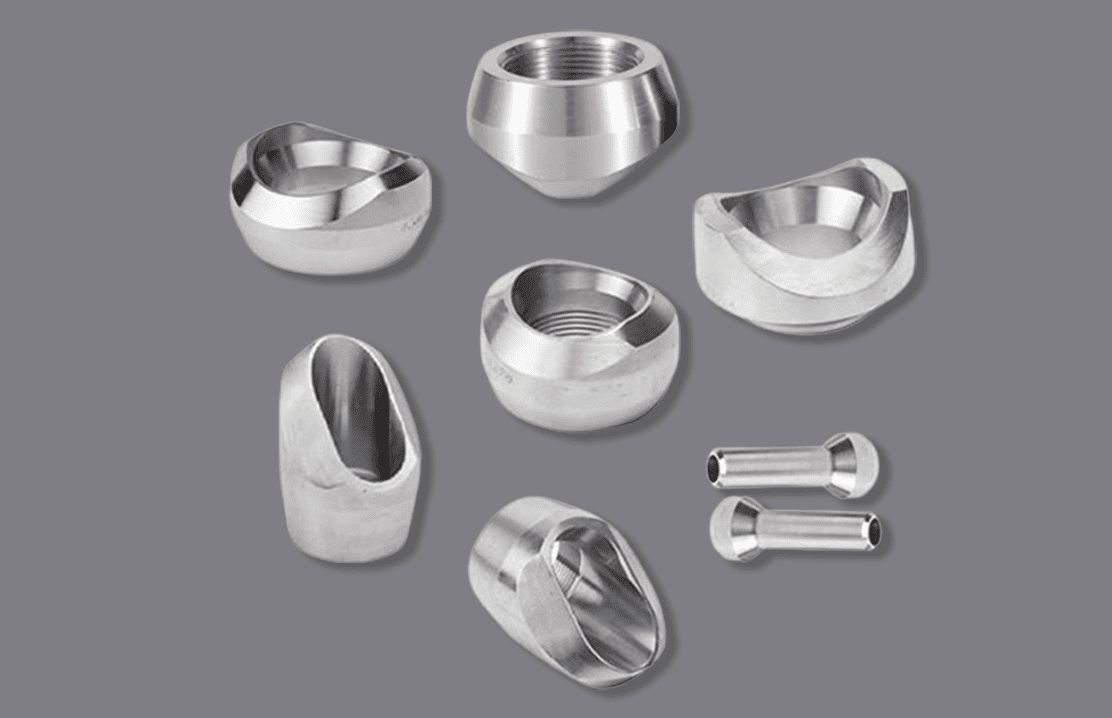
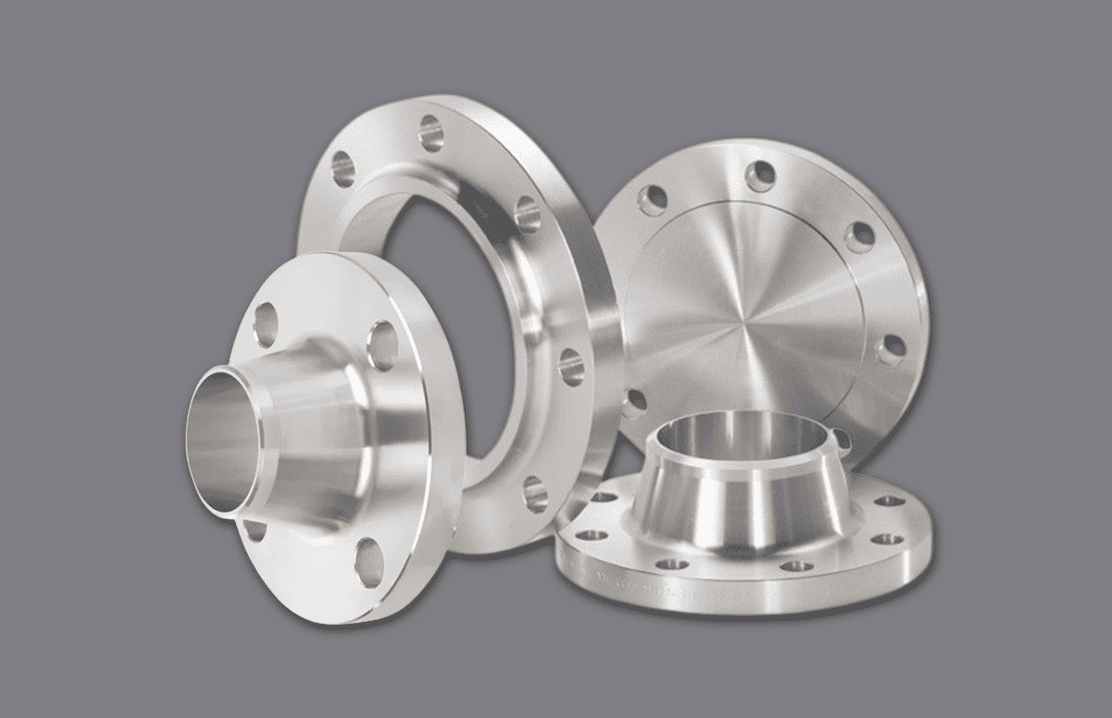
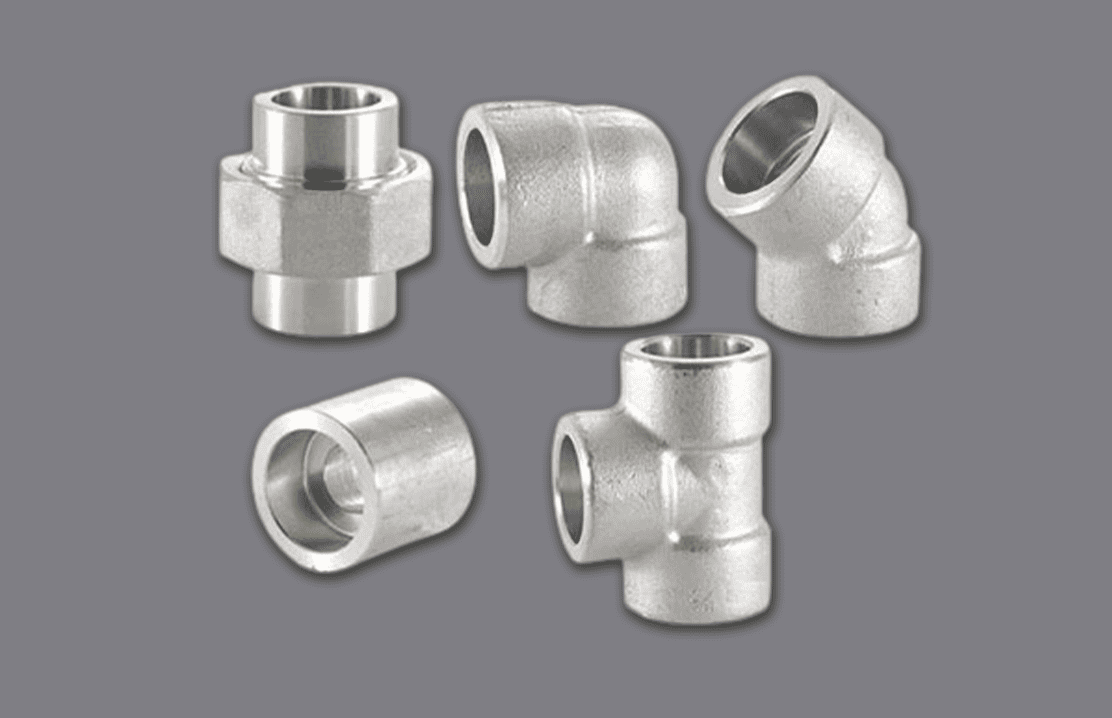
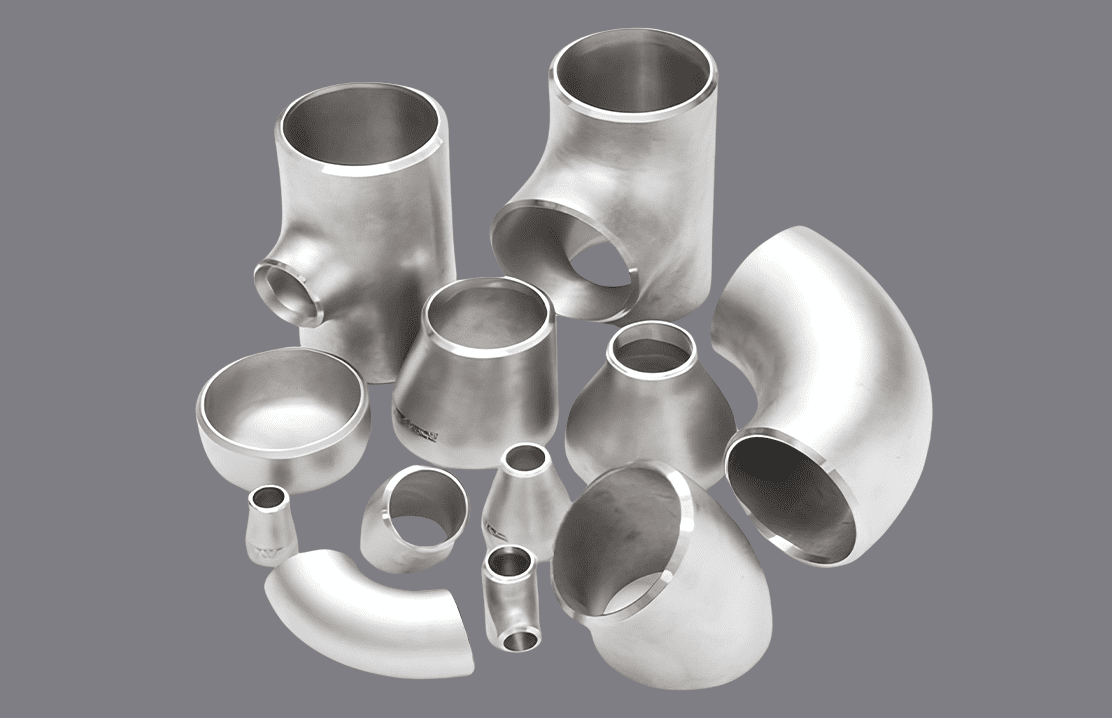
SS / Duplex & Super Duplex Forged Nipples
Home - SS / duplex & super duplex - SS / duplex & super duplex Forged Pipe Fittings - SS / Duplex & Super Duplex Forged Nipples
SS / Duplex and Super Duplex Forged Nipples
EBY Fasteners provides a premium selection of SS / Duplex and Super Duplex Forged Nipples. Forged from superior stainless steel, duplex stainless steel, and super duplex stainless steel, our nipples offer superior corrosion resistance and mechanical strength to withstand even the harshest industrial environments
Engineered for maximum strength and integrity, our forged nipples outclass welded alternatives in pressure handling and reliability. We meticulously follow industry-leading standards, including ASTM A182/ASME SA182 and ASME B16.11, to guarantee consistent quality and performance. Our comprehensive inventory includes various sizes, schedules, and pressure ratings to suit your specific project requirements
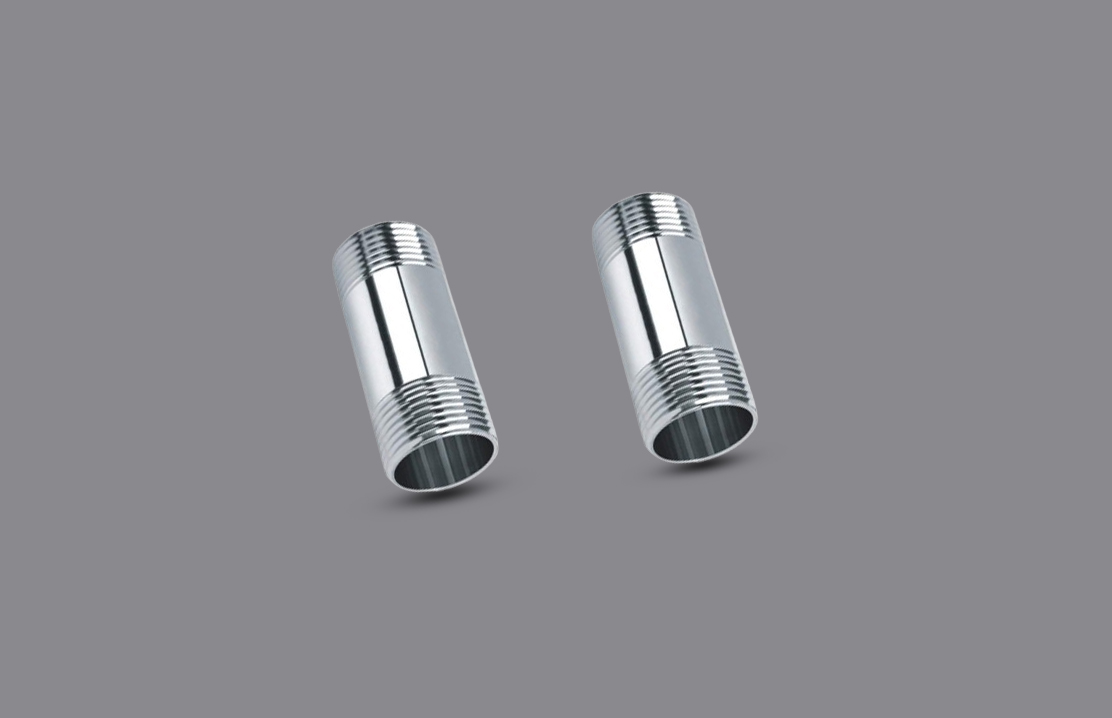
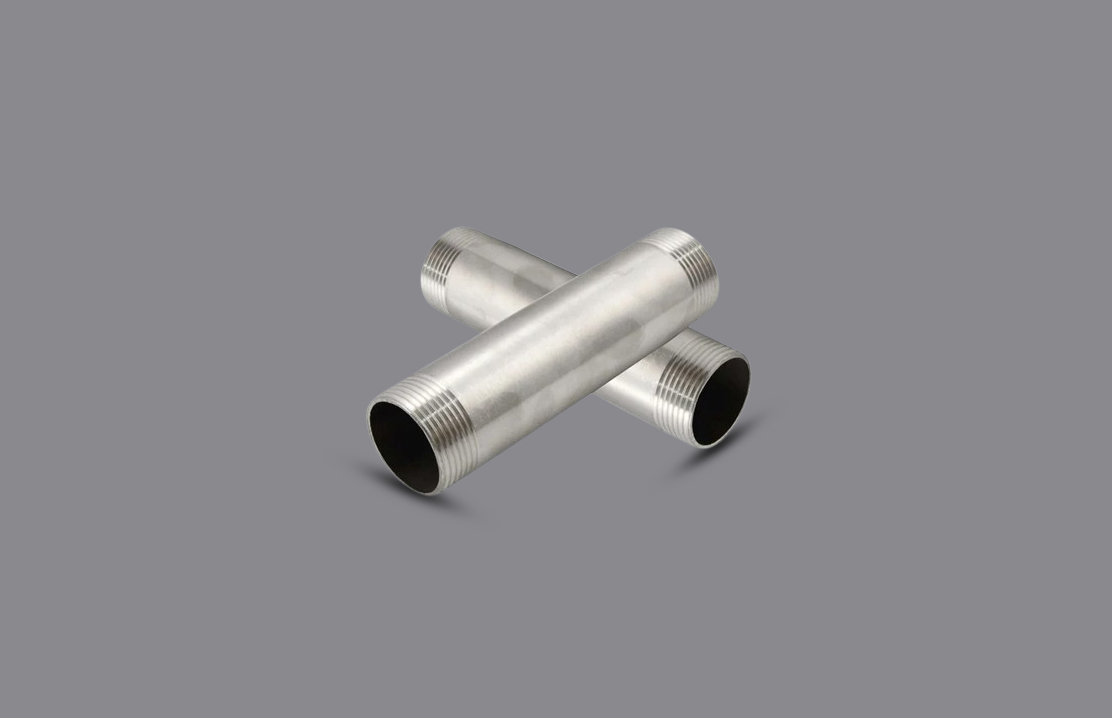
For the ultimate in reliable pipe connections, choose EBY Fasteners for your SS / Duplex and Super Duplex Forged Nipple needs. Experience the difference between our commitment to excellence, backed by our certifications (ISO 9001-2018, ISO 14001, ISO 45001 & PED) and exceptional customer support
For the ultimate in reliable pipe connections, choose EBY Fasteners for your SS / Duplex and Super Duplex Forged Nipple needs. Experience the difference between our commitment to excellence, backed by our certifications (ISO 9001-2018, ISO 14001, ISO 45001 & PED) and exceptional customer support
- F44 (UNS S31254) : It significantly outperforms standard stainless steel due to high chromium, molybdenum, and nitrogen content. It's particularly well-suited for seawater environments, making it a good choice for forged nipples in offshore and coastal chemical processing applications.
- F45 (UNS S30815) : A lean duplex grade offering a balanced combination of corrosion resistance, strength, and cost-effectiveness. Less expensive than super duplex grades, it's a good option for less severe environments. Forged nipples in this grade find use in moderately corrosive industrial settings, still offering significant improvement over standard stainless steel.
- F51 (UNS S31803/S32205) : The most common duplex grade. It provides superior strength compared to standard stainless and enhanced corrosion resistance, particularly against stress corrosion cracking. F51 forged nipples are a workhorse in various industries, handling moderately aggressive process fluids and operating conditions.
- F53 (UNS S32750) : A super duplex grade renowned for exceptional corrosion resistance in seawater and aggressive chemical environments. Its high resistance to pitting and crevice corrosion makes it ideal for forged nipples in offshore platforms, desalination plants, and critical chemical process lines.
- F55 (UNS S32760) : A 'hyper' duplex grade, offering even greater corrosion resistance than F53. It's the go-to for extremely harsh conditions, especially those involving high chloride concentrations and a wider range of acids. Forged nipples in F55 are a premium choice when maximum lifespan and minimal maintenance are required.
- F60 (UNS S32205) : Sometimes classified as a super duplex (alongside F51), F60 offers very similar characteristics to F51. The primary difference lies in a slightly lower molybdenum content. The choice between F51 and F60 often depends on regional availability and specific project requirements.
- F61 (UNS S32550) : A less common super duplex grade offering balanced mechanical properties and good corrosion resistance for moderately aggressive environments. It can be a cost-effective alternative to F53 in some applications
- Standards : Forged nipples strictly adhere to standards like ASTM A182/ASME SA182 (materials and dimensions) and ASME B16.11 (connection types). Compliance guarantees compatibility within your piping system, consistent quality, and pressure ratings.
- Nominal Pipe Size (NPS) : Forged nipples align with standard NPS sizes for seamless integration into your piping. Matching the correct NPS is essential for maintaining flow and preventing leaks.
- Schedule : The Forged nipple's wall thickness (schedule) must match your system's pressure requirements. Choose from SCH 40 (standard), SCH 80 (higher pressure), SCH 160 (very high pressure), or even more heavy-duty schedules for extreme applications.
- Type : Forged nipples come in various connection types: threaded for ease of installation and disassembly, socket weld for leak-tight permanent connections, and weld neck for maximum strength and integrity in critical or high-pressure systems.
- Material Grade : Select the appropriate stainless steel, duplex, or super duplex grade based on your specific operating environment. Consider factors like corrosive chemicals, temperatures, and chloride exposure.
- Chemical Composition : Forged Nipples must adhere to the strict chemical composition outlined in ASTM A182 for their specific grade. This ensures expected corrosion resistance and mechanical properties.
- Mechanical Properties : Key properties like yield strength, tensile strength, and elongation are tested and must meet the requirements of the chosen grade. This guarantees the nipple's ability to handle the stresses of your system
- Superior Corrosion Resistance : Stainless steel grades offer varying levels of protection, with 316/316L excelling against chlorides and acids. Duplex and super duplex grades significantly outperform standard stainless in harsh environments, with super duplex designed for the most extreme conditions.
- Exceptional Strength : Forging yields greater strength than many fitting types. Duplex and super duplex offer significantly higher yield and tensile strengths than basic stainless steel, allowing them to withstand higher pressures and mechanical stress.
- Temperature Versatility : Grades are tailored for specific temperature ranges, from cryogenic to high-temperature service. Duplex and super duplex can extend this range further.
- Pressure Handling : Forged nipples inherently handle higher pressures than some alternatives. The specific rating depends on grade, schedule (wall thickness), and system design.
- Reliability and Longevity : The combination of their strength, forging process, and corrosion resistance maximizes lifespan and minimizes maintenance, especially in severe environments.
- Cost-Effectiveness : While initially more expensive than some fittings, their long lifespan and reduced maintenance often result in greater cost-effectiveness over time. Duplex grades can be a cost-saving alternative to super duplex while still outperforming standard stainless steel
- Refinery & Petrochemical : Forged nipples play a crucial role in handling complex process fluids, high temperatures, and potentially corrosive chemicals. Duplex and super duplex grades excel in processes involving aggressive chemicals, high pressures, and resistance to sour gas (H2S).
- Chemical : These nipples are essential where acids, alkalis, solvents, and other harsh substances are present. Forged construction ensures leak-tight reliability, and the higher strength of duplex/super duplex allows for greater pressure handling. Specific grades are chosen based on the corrosives involved.
- Oil & Gas : Forged nipples are indispensable in pipelines, offshore platforms, and processing equipment. In subsea environments, super duplex grades are often necessary due to their unmatched resistance to saltwater and chlorides. Topside, various grades are used depending on the specific fluids and pressures.
- Power Plant : Forged nipples find applications in cooling water systems, heat exchangers, and various piping, especially where specific water chemistries or varying temperatures are a concern. The strength of forged construction is advantageous in certain high-pressure areas.
- Offshore Platforms : Super duplex forged nipples dominate in both subsea piping and topside systems due to their exceptional seawater corrosion resistance. Their strength and reliability are essential for withstanding the harsh ocean environment and minimizing maintenance in remote locations.
- Shipbuilding : Used in ballast water systems, seawater piping, and handling a variety of fluids. Chloride resistance is often a key factor, making 316L and duplex/super duplex grades common choices.
- Industrial Machinery : Forged nipples find their place in robust hydraulic systems, in pulp and paper processing equipment, and handling process fluids specific to various industrial settings.
- Pharmaceuticals : High-grade stainless steel forged nipples (especially 316L) are often used where hygienic conditions and corrosion resistance are paramount in pharmaceutical production lines.
- Pumps & Compressors : Forged nipples provide robust, leak-free connections within pump and compressor systems, especially those handling corrosive fluids or operating at high pressures.
- Dairy & Food : Forged nipples in suitable grades ensure hygienic piping systems for milk, beverages, and other food products. Smooth interior surfaces and resistance to cleaning chemicals are important considerations.
- Sugar Mills : These nipples handle various process fluids and chemicals encountered during sugar production.
- Textile Machineries : Forged nipples find use in dye processes and finishing stages where chemical resistance and the ability to withstand elevated temperatures are often needed.
- Fertilizers & Pesticides : The highly corrosive environments demand superior materials. Duplex and super duplex forged nipples are often a necessity for handling the aggressive chemicals found in fertilizer and pesticide production
Chemical Composition
| Element | Percentage |
|---|---|
| Chromium | 24 - 26 |
| Nickel | 6 - 8 |
| Molybdenum | 3 - 5 |
| Manganese | 1.20 max |
| Silicon | 0.80 max |
| Copper | 0.50 max |
| Nitrogen | 0.24 - 0.32 |
| Phosphorous | 0.035 max |
| Carbon | 0.030 max |
| Sulfur | 0.020 max |
| Iron | Balance |
SS / duplex & super duplex Forged Pipe Fittings
- SS / Duplex & Super Duplex 45° Elbows
- SS / Duplex & Super Duplex 90° & Reducing Elbows
- SS / Duplex & Super Duplex Cross Tee
- SS / Duplex & Super Duplex Equal Tee
- SS / Duplex & Super Duplex Unequal Tee
- SS / Duplex & Super Duplex Forged Cap
- SS / Duplex & Super Duplex Forged Nipples
- SS / Duplex & Super Duplex Forged Union
- SS / Duplex & Super Duplex Full – Half & Reducing Coupling
- SS / Duplex & Super Duplex Plugs and Bushings
- SS / Duplex & Super Duplex Swage Nipples
- SS / Duplex & Super Duplex Reducing Insert Fittings