SS / Duplex & Super Duplex Equal Tee
Home - SS / duplex & super duplex - SS / duplex & super duplex Forged Pipe Fittings - SS / Duplex & Super Duplex Equal Tee
SS / Duplex and Super Duplex Equal Tee
EBY Fasteners provides high-quality SS / Duplex and Super Duplex Equal Tees designed for demanding applications. Our stainless steel (SS) tees provide a robust connection and reliable corrosion resistance, making them well-suited for piping systems in chemical processing, industrial environments, and various marine applications
For enhanced performance, choose our Duplex Equal Tees. These tees combine the benefits of ferritic and austenitic stainless steel, offering increased strength and superior resistance to chloride stress cracking. When the environment is truly unforgiving, Super Duplex Equal Tees are the ultimate solution. They deliver unparalleled resistance to pitting, crevice corrosion, and aggressive chemicals, ensuring long-term integrity in the most extreme conditions
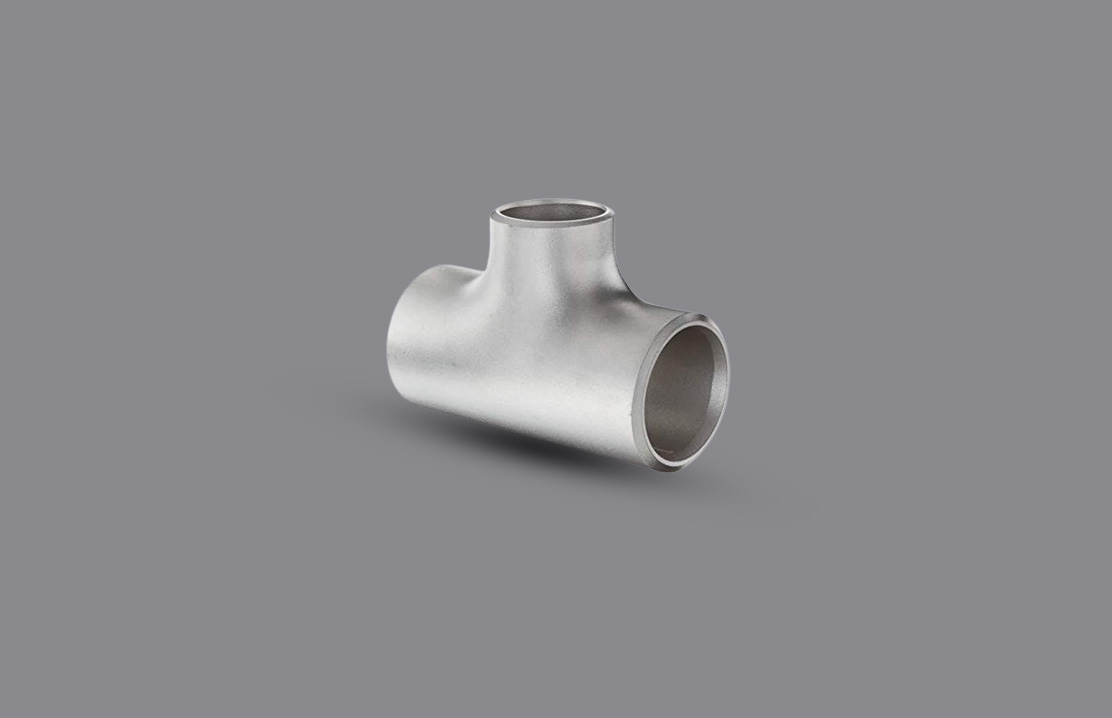
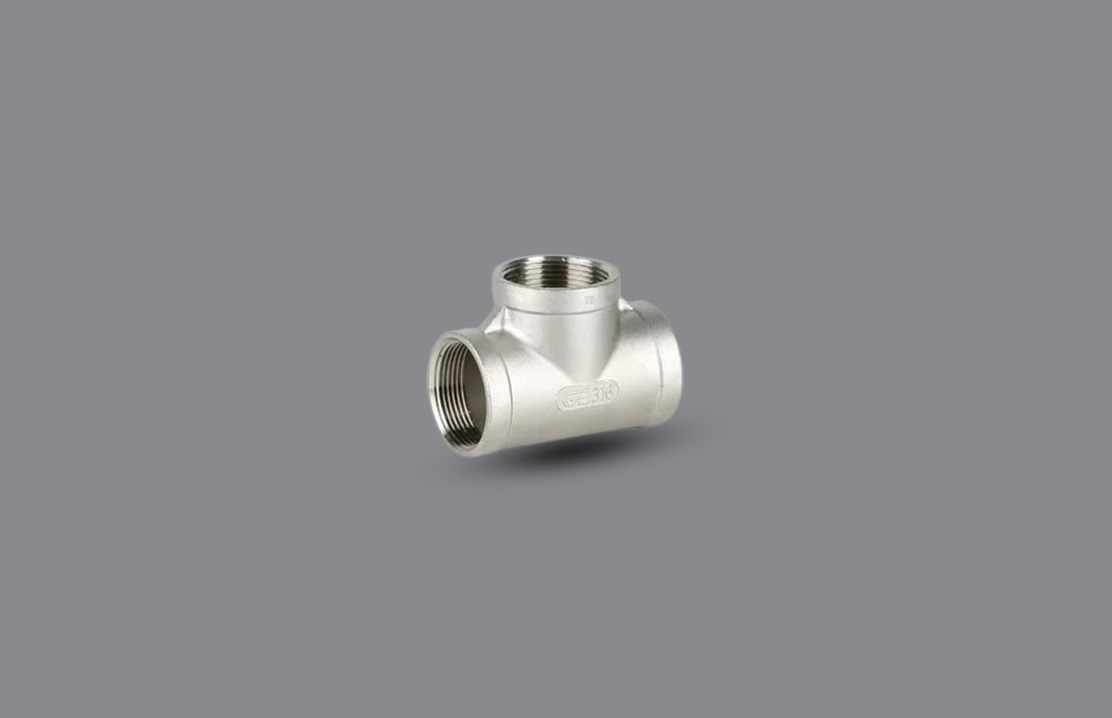
EBY Fasteners is your trusted source for SS / Duplex and Super Duplex Equal Tees. We carry a comprehensive selection of sizes and specifications to accommodate your project needs. Our commitment to quality and exceptional customer service ensures you receive the right tees for the job and the expert support to ensure a trouble-free installation
EBY Fasteners is your trusted source for SS / Duplex and Super Duplex Equal Tees. We carry a comprehensive selection of sizes and specifications to accommodate your project needs. Our commitment to quality and exceptional customer service ensures you receive the right tees for the job and the expert support to ensure a trouble-free installation
- ASTM A182 : Covers forged or rolled alloy and stainless steel tees, fittings, valves, and parts for high-temperature or general pressure applications. This standard defines the grades of steel used.
- ASTM A240 : Outlines specifications for stainless steel plate, sheet, and strip, including chemical compositions and mechanical properties relevant to tee manufacturing.
- 304/304L/304H : Basic austenitic stainless steel grades. 304 is the standard, 304L offers improved weldability (due to lower carbon), and 304H provides better strength at high temperatures.
- 316/316L/316Ti : Enhanced austenitic grades with molybdenum for superior corrosion resistance, especially against chlorides. "L" versions have lower carbon for better weldability, and "Ti" versions have titanium to improve stability.
- F51 (UNS S31803/S32205) : Common duplex grade offering good corrosion resistance and strength.
- F53 (UNS S32750) : Super Duplex grade delivering increased corrosion resistance and strength compared to F51.
- F55 (UNS S32760) : Super Duplex grade with even higher corrosion resistance, especially in extreme environments
- Materials : Start with basic stainless steel grades like 304 and 316 for moderate corrosion resistance. 316L is a slight upgrade for welding purposes. For tougher environments, Duplex grades (like F51) offer better corrosion resistance and strength. If you're dealing with extreme conditions, Super Duplex grades (like F55) provide the ultimate protection against corrosion and exceptional strength.
- Construction : Seamless tees are forged from a single piece of material, making them ideal for high-pressure and critical applications. Welded tees are made by joining sections and are a more cost-effective option for less demanding situations.
- Sizes : Equal tees come in a variety of Nominal Pipe Sizes (NPS) to match your existing piping. They also come in different wall thicknesses (schedules), with thicker schedules handling higher pressures.
- End Connections : Threaded connections (often using NPT threads) are easy to install and provide a tight seal. Butt-weld connections are permanent and incredibly strong, ideal for demanding applications. Socket-weld connections offer strength and smooth flow transitions within the piping.
- Applications : Stainless steel tees are good for moderate pressures and environments where you need some corrosion resistance. Duplex tees can handle harsher chemicals, higher pressures, and tougher conditions. Super Duplex tees are your top choice for seawater, aggressive chemicals, and extreme pressure situations
- Corrosion Resistance : Stainless steel tees offer a basic level of corrosion resistance. Duplex tees provide a significant upgrade, resisting pitting, crevice corrosion, and stress cracking from chlorides. Super Duplex tees offer the ultimate protection, withstanding even the harshest environments with seawater and aggressive chemicals.
- Strength : Stainless steel tees have good strength for standard use. Duplex tees offer increased strength to handle higher pressures and tougher conditions. Super Duplex tees boast exceptional strength, making them ideal for the most demanding high-pressure applications.
- Versatility : Equal tees are available in a wide range of sizes (NPS) and wall thicknesses (schedules) to match your piping system. They come with threaded, butt-weld, or socket-weld connections, offering flexibility for easy installation, permanent connections, or smooth flow transitions.
- Harsh Environments : Stainless steel tees work well in moderately corrosive environments. Duplex tees excel in conditions with harsh chemicals or higher pressures. Super Duplex tees are the top choice for extremely corrosive environments, particularly those involving seawater or aggressive industrial chemicals.
- Service Life : Stainless steel provides a good lifespan in its suitable applications. Duplex and Super Duplex tees, with their superior corrosion resistance and strength, offer a significantly longer service life. This translates to lower maintenance costs and less downtime over the lifespan of your system
- Refinery & Petrochemical : Equal tees find use in pipelines handling moderately corrosive process fluids (Stainless Steel), highly corrosive chemicals (Super Duplex), and in lines requiring higher strength.
- Chemical : These tees are integral to process piping systems that transport various chemicals. Choose stainless steel for moderate corrosivity and Duplex or Super Duplex for harsh or highly corrosive chemicals.
- Oil & Gas : Applications include subsea pipelines (Super Duplex for extreme corrosion resistance), onshore gathering lines, and production equipment components exposed to corrosive fluids.
- Power Plant : Equal tees are used in cooling water systems (especially those handling seawater) and in auxiliary piping handling process fluids where corrosion resistance is a concern.
- Offshore Platforms : Super Duplex tees are vital for seawater systems (firefighting, ballast), process lines handling corrosive fluids, and in structural elements exposed to harsh marine environments.
- Ship Building : Employed in ballast water systems for superior seawater resistance (Super Duplex), potentially corrosive fuel lines, and cooling systems handling seawater.
- Industrial Machineries : Equal tees connect pipes and tubes in various machines, with the level of corrosion resistance needed depending on the specific fluids being conveyed.
- Pharmaceuticals : Suitable for process piping where less aggressive chemicals are involved, and where hygiene is a priority.
- Pumps & Compressors : Equal tees provide secure and reliable flow connections within piping systems associated with pumps and compressors.
- Dairy & Food : Used in process piping for food and beverage products with moderate corrosivity.
- Sugar Mills : Equal tees can be found in juice processing lines where the fluids might have corrosive properties.
- Textile Machineries : These tees are used in equipment where dyes, chemicals, and process fluids require piping systems with a degree of corrosion resistance.
- Fertilizers & Pesticides : Equal tees are found in pipelines and storage vessels handling fertilizers and pesticides of moderate corrosivity
Chemical Composition
| Element | Percentage |
|---|---|
| Carbon, C | 0.030% max |
| Chromium, Cr | 24 – 26% |
| Copper, Cu | 0.50% max |
| Iron, Fe | Balance |
| Manganese, Mn | 1.20% max |
| Molybdenum, Mo | 3 – 5% |
| Nickel, Ni | 6 – 8% |
| Nitrogen, N | 0.24 – 0.32% |
| Phosphorous, P | 0.035% max |
| Silicon, Si | 0.80% max |
| Sulfur, S | 0.020% max |
SS / duplex & super duplex Forged Pipe Fittings
- SS / Duplex & Super Duplex 45° Elbows
- SS / Duplex & Super Duplex 90° & Reducing Elbows
- SS / Duplex & Super Duplex Cross Tee
- SS / Duplex & Super Duplex Equal Tee
- SS / Duplex & Super Duplex Unequal Tee
- SS / Duplex & Super Duplex Forged Cap
- SS / Duplex & Super Duplex Forged Nipples
- SS / Duplex & Super Duplex Forged Union
- SS / Duplex & Super Duplex Full – Half & Reducing Coupling
- SS / Duplex & Super Duplex Plugs and Bushings
- SS / Duplex & Super Duplex Swage Nipples
- SS / Duplex & Super Duplex Reducing Insert Fittings