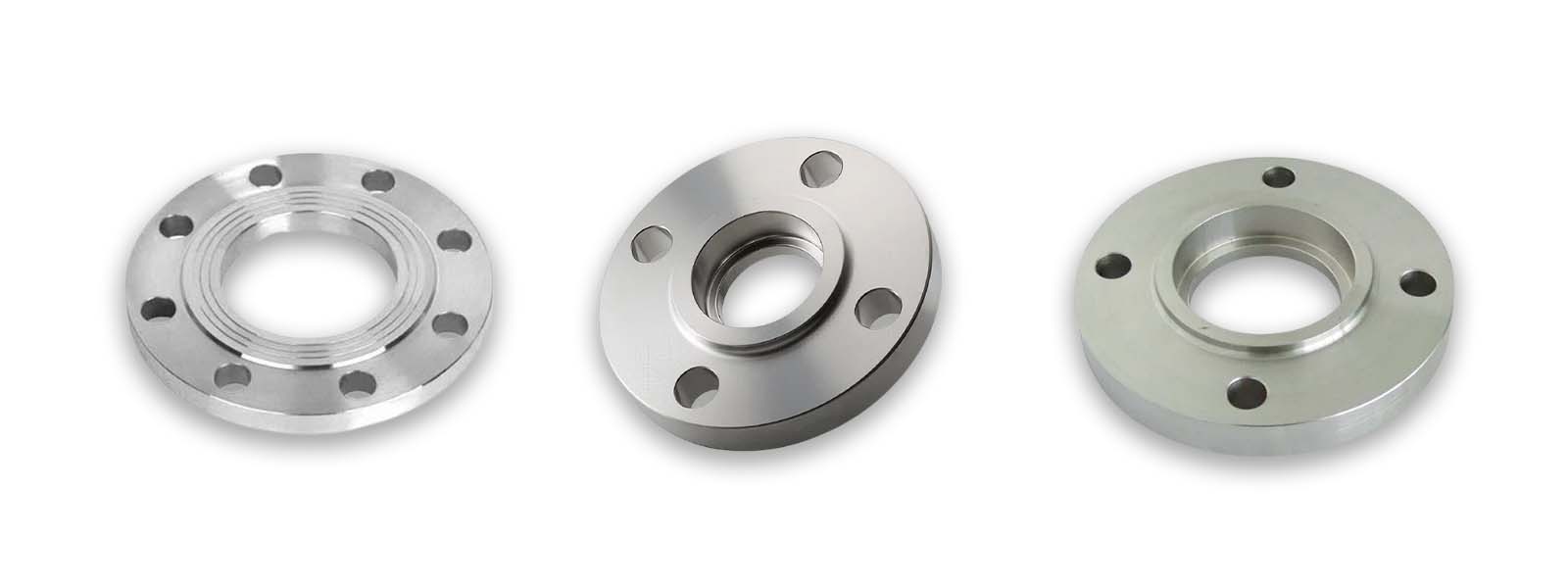
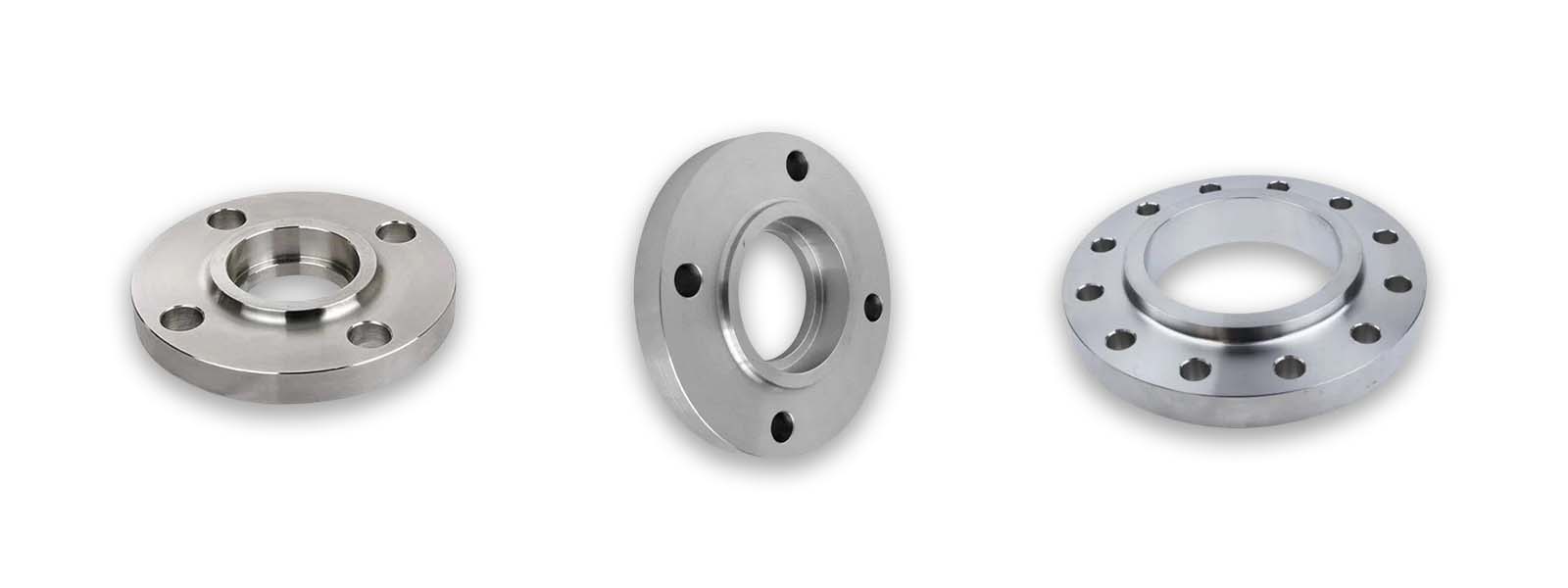
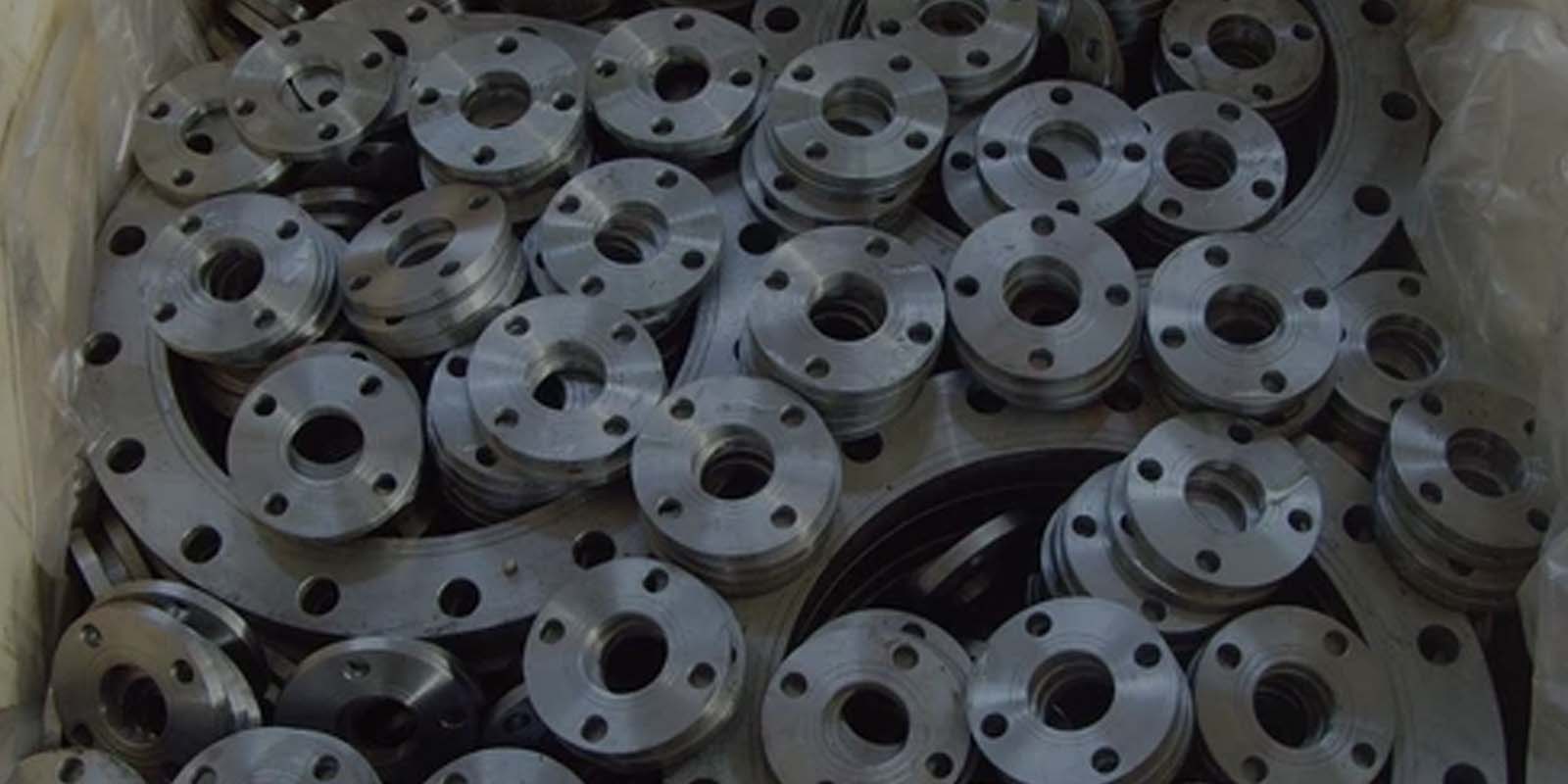
Alloy steel is widely used in the construction and manufacturing industries as it is popular for its strength, durability, and resistance to abrasion. However, like any metal, it is prone to corrosion and this is a major factor that affects the performance and durability of the material. There is one specific component that can be corroded and that is the alloy steel socket weld flange. Corrosion is a major problem affecting these flanges and the knowledge on how to counter this problem is crucial in ensuring the reliability of the systems used in industries
Understanding Alloy Steel Socket Weld Flanges
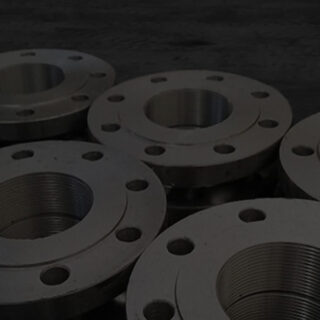
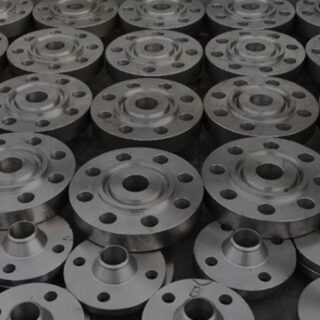
Socket weld flanges are used in pipelines where small bore sizes are needed and where there is no large space of access to make welds. The following flanges are intended for high-pressure services and provide a very firm and rigid coupling of pipes. Alloy steel is used in the construction of socket weld flanges and therefore the flanges have great mechanical properties which are suitable for use in conditions that are rigorous. However, when these flanges are exposed to corrosive agents, they are likely to corrode after some time
Types of Corrosion Affecting Alloy Steel Socket Weld Flanges
Uniform Corrosion : This type of corrosion affects the alloy steel socket weld flange in the sense that it corrodes it evenly on the surface of the flange. It leads to the material being gradually worn out and in extreme cases, it can cause failure of the material. The best way to deal with uniform corrosion is to have frequent inspections and maintenance to identify the problem early enough.
Pitting Corrosion : This is a kind of corrosion that occurs in a localized manner thereby forming small but deep pits on the flange. These pits can penetrate through the metal and cause a lot of harm by developing into leaks and general system breakdowns. Pitting corrosion is difficult to identify and more often, it may take sophisticated examinations to identify the corrosion.
Crevice Corrosion : This type of corrosion occurs in areas that are sheltered from the main environment and is characterized by corrosive fluids that stagnate on the alloy steel flange. These areas like the gap between the flange and the pipe provide a fertile ground for the start and growth of corrosion. Crevice corrosion can be reduced through proper design and installation of the equipment.
Galvanic Corrosion : This type of corrosion happens when two dissimilar metals are in electrical contact in the presence of an electrolyte. The less noble metal corrodes faster than the more noble metal. In the case of alloy steel socket weld flanges, ensuring material compatibility is vital to prevent galvanic corrosion
The Impact of Corrosion on Alloy Steel Socket Weld Flanges
Corrosion can have several detrimental effects on alloy steel socket weld flanges, including
Reduced Structural Integrity : Corrosion weakens the flange, reducing its ability to withstand pressure and mechanical stress. This can lead to leaks, system failures, and safety hazards.
Increased Maintenance Costs : Regular inspections and repairs are necessary to address corrosion, leading to higher maintenance costs. In severe cases, entire flanges may need to be replaced.
Operational Downtime : Corroded flanges can cause unexpected system shutdowns, resulting in operational downtime and lost productivity.
Safety Risks : Leaks or failures in corroded flanges can pose significant safety risks, including exposure to hazardous materials and potential environmental contamination
Preventing Corrosion in Alloy Steel Socket Weld Flanges
To avoid corrosion in alloy steel socket weld flanges, one has to ensure that the right material is used in the construction of the flanges, the flanges are protected using special coatings and that proper maintenance is done. Here are some effective strategies
Material Selection : There is a need to select the right alloy steel grade for a given application. It is to be understood that some grades of the material provide better corrosion resistance than the others. A socket weld manufacturer should be consulted to help find the right material for the application.
Protective Coatings : Coating, for instance, epoxy or galvanization of the alloy steel socket weld flanges can play a major role in increasing the corrosion resistance. These coatings serve as a shield to the metal surface and therefore, corrosive agents cannot come into contact with the metal.
Cathodic Protection : It is a process that utilizes a sacrificial anode or a current system to protect the alloy steel flange from corrosion. The sacrificial anode corrodes instead of the flange and thus increases the flange’s lifetime.
Maintenance and Inspection Program : A regular maintenance and inspection program is key to avoiding corrosion before it becomes a major issue. This is because, by checking for signs like rust or pitting, one is able to know when corrosion is creeping in and therefore act accordingly.
Correct Installation Procedures : Correct installation of socket weld flanges should be done to prevent crevice corrosion and other related problems. This is in the form of utilizing right gaskets, proper connection and no contamination during the assembly.
Environmental Controls : This is the process of controlling the environment around the alloy steel socket weld flange to avoid corrosion. This includes controlling humidity, avoiding contact with corrosive materials and proper air circulation
The Role of Alloy Steel Socket Weld Exporters
Alloy steel socket weld exporters are also very essential in the provision of high quality flanges that conform to the market standards and requirements. To mitigate on corrosion related problems, reputable exporters check on their products and make sure they have undergone through quality testing. Thus, industries can be confident in their flanges’ reliability and performance by purchasing them from reliable exporters
Conclusion
Corrosion is a significant challenge for alloy steel socket weld flanges, but with the right preventive measures, its impact can be minimized. From selecting the appropriate materials and applying protective coatings to regular maintenance and proper installation practices, industries can extend the lifespan of their flanges and ensure the reliability of their systems. By partnering with reputable socket weld manufacturers and alloy steel socket weld exporters, businesses can access high-quality flanges that withstand corrosive environments and maintain optimal performance
You can Contact EBY Fittings today at inquiry@ebyfasteners.com to know more about the Alloy Steel Socketweld Flange and their applications in industries