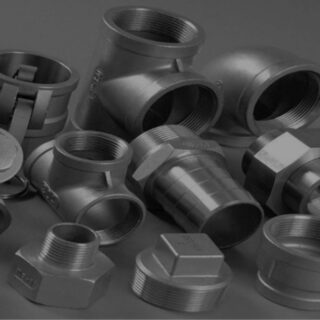
When it comes to building and maintaining robust piping systems, stainless steel flanges play a pivotal role. These components are essential for forming strong, leak-proof connections in various applications, from water supply systems to chemical processing plants. EBY Fittings, renowned for high-quality piping solutions, offers a comprehensive guide on the correct installation of stainless steel flanges to ensure optimal performance and durability. This blog covers all you need to know about ss flanges, from preparation to installation
Understanding Stainless Steel Flanges
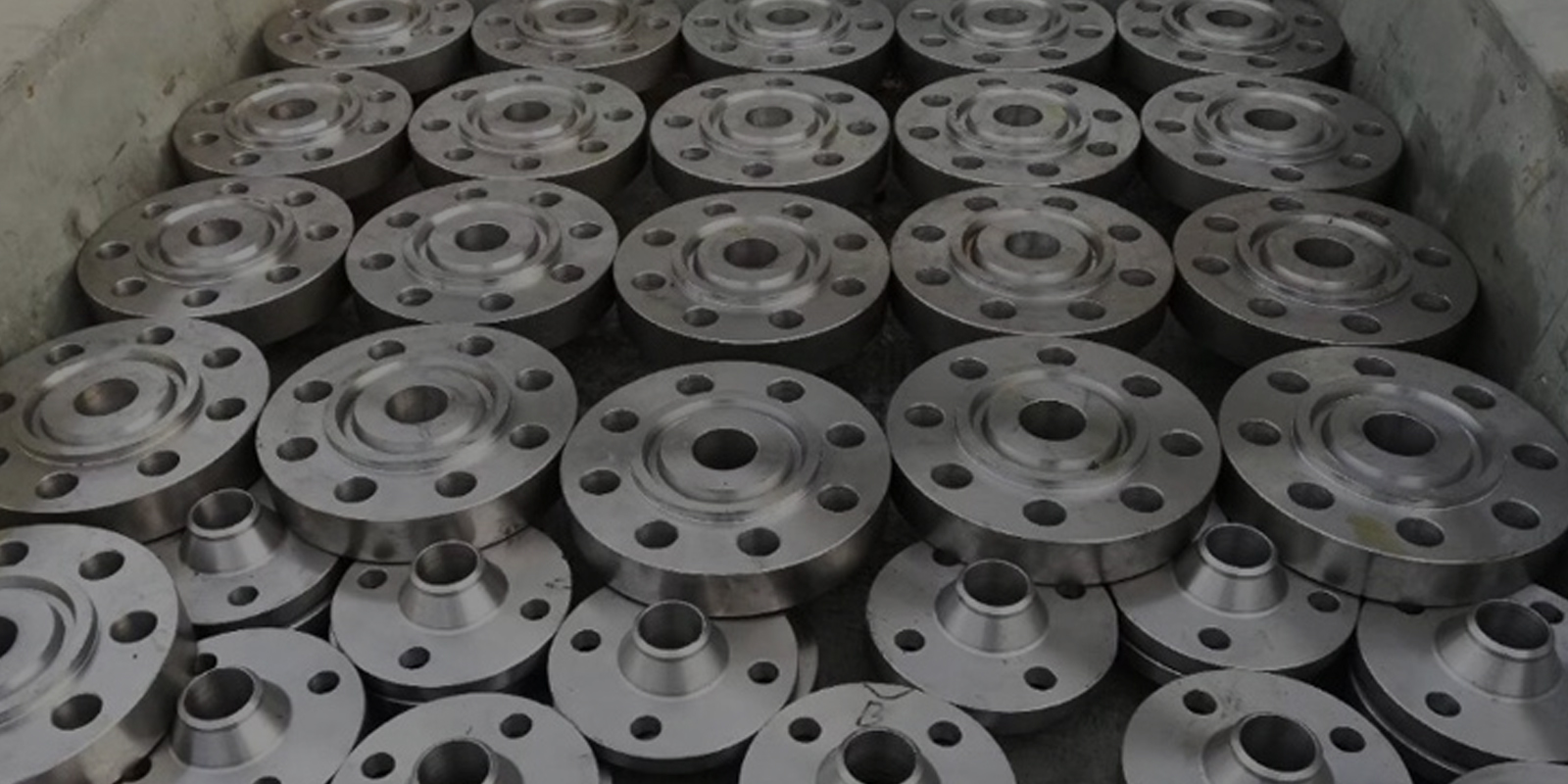
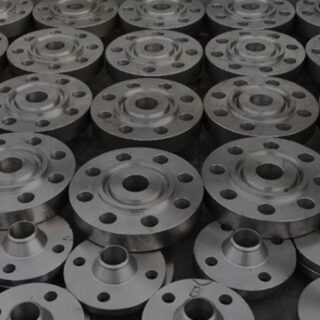
Stainless steel flanges are flat, ribbed rings that link pipe to a pressure tank, pump, or any other integrated flanged assembly. They are sometimes referred to as stainless flanges or ss flanges. Strong, resilient, and resistant to corrosion, these flanges are preferred because they can withstand tough situations
Types of Stainless Steel Flanges
EBY Fittings offers various types of stainless steel flanges, each designed for specific configurations and pressure ratings. Common types include
Weld Neck Flanges : Perfect for High-Pressure Situations, weld neck flanges guarantee a strong and lasting connection. They are designed with a conical hub to add strength—ideal for excessively high pressure and/or temperature environments.
Slip-On Flanges : Easy to install, slip-on flanges are also a more economical choice and the best fit for applications with lower pressure. These rings go over the pipe and get welded onto the pipe to ensure a secure fit.
Blind Flanges : For sealing the ends of piping systems or closing off pressure vessel openings, blind flanges are a necessary aspect. They offer a robust, liquid-tight jam, which maintains system integrity.
Threaded Flanges : Threaded flanges are fitted for joining externally threaded pipes in a way that doesn't need welding. This makes them perfect for uses where welding isn't preferable
Installation Steps
Proper installation of stainless steel flanges is crucial to prevent leaks and ensure system integrity. Follow these detailed steps recommended by EBY Fittings
Inspection and Preparation
Inspect all flanges : Ensure that the stainless flanges are free from any defects and are the correct type and size for your piping.
Prepare the pipe ends : The ends of the pipes where the flanges will be installed must be square, clean, and free from burrs.
Alignment
Align the flanges : Before welding or bolting, align the flanges to ensure that they are perfectly parallel to each other and the gasket surface is even.
Gasket Placement
Select the right gasket : Use a gasket that is compatible with the operating conditions and the materials of your pipe flanges and pipeline.
Position the gasket : Place the gasket evenly between the flanges, ensuring it does not overhang or twist.
Bolting
Insert bolts : Insert the bolts uniformly, ensuring they are evenly spaced.
Tighten the bolts : Follow a star pattern to tighten the bolts gradually to avoid uneven pressure and potential damage to the flanges.
Welding (if applicable)
Weld securely : For weld neck and other weldable flange types, ensure a full penetration weld is achieved by certified welders following prescribed procedures to maintain the integrity of the connection.
Final Inspection
Check for leaks : Once the installation is complete, perform a pressure test to ensure there are no leaks.
Inspect the alignment : Ensure that after the installation, the pipe flanges remain perfectly aligned, and the assembly is free from stress
Maintenance Tips
Maintaining stainless steel flanges involves regular inspections for signs of wear, corrosion, and leaks. EBY Fittings recommends scheduling routine maintenance checks to address any issues promptly. It's also crucial to replace gaskets and bolts as needed to maintain a secure, leak-proof system
Regular Inspections :
Inspections periodically form the basis of flange maintenance. A basic check of each flange is visual and can be obtained by feel, everything must be examined for any evidence of wear or damage. This can mean checking for hairline cracks, warping, or other signs of corrosion that could mar the flange surface. Inspect with proper tools for small cracks or flaws that can't be seen with the human eye. Particular focus should be paid to the bolt areas as well as the gasket seal as these are frequent points of failure.
Corrosion Check :
Corrosion is a major issue of concern for stainless steel flanges, especially when the material is in contact with chemicals, and in some cases of high humidity or salty conditions. Look for any rust, pitting, or discoloration in the metal that may tarnish the metal and end up going over the surfaces that touch the belt, gears, etc. If corrosion is found, it will be important to get to the bottom of the issue and rectify it, which could involve changing the environment, applying protective coatings, or changing out the component with damage.
Leak Detection :
Leaks can imply that flanges, gaskets, or bolts are failing. They not only result in a compromise to the system but also pose environmental and safety risks. Use leak detection methods like pressure tests, ultrasonic testing, or dye to find and fix leaks faster. All such leaks, once detected, should be fixed right away to make sure not to cause any increase in damage and system inefficiency.
Replacement of Gasket and Bolt :
Gaskets and bolts are one of the most important components of mounting flange-spaced sealing. Over time, gaskets can degrade and fail to adequately seal, or bolts can loosen or rust. EBY Fittings suggests regular inspection of bolt torque and routine gasket & bolt replacement. Failure to choose the right type of gasket and bolt material for the specific service conditions and the grade of stainless steel flanges.
Documentation and Record Keeping :
Keep detailed records of all maintenance activities, inspections, and replacements. Documentation of the date of inspection, condition of the flange, any deficiencies discovered, and the specific remedial actions taken. This historical data is priceless when it comes to predicting potential failures, scheduling future maintenance, and abiding by safety and environmental regulations.
Proper Training and Awareness :
Train all personnel who will be maintaining the flanges to operate all the specific flange inspections correctly as well as use specific tools and equipment, and follow safety rules. Training should be part of regular training sessions to ensure that the group is up-to-date with the best practices and new technologies in flange maintenance
Conclusion
Stainless steel flanges are critical for building reliable piping systems. Correct installation, as outlined by EBY Fittings, ensures that these flanges function effectively, maintaining the integrity and efficiency of your system. Whether you are installing new pipe flanges or maintaining existing ones, following these guidelines will help extend the life of your piping systems and prevent operational disruptions
Contact EBY Fittings at inquiry@ebyfasteners.com today to learn more about our Stainless Steel Flanges and receive support from selection to installation