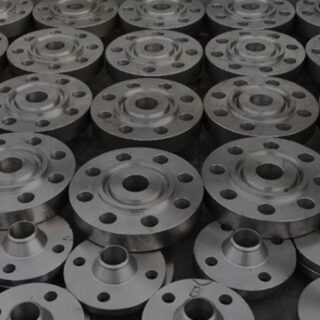
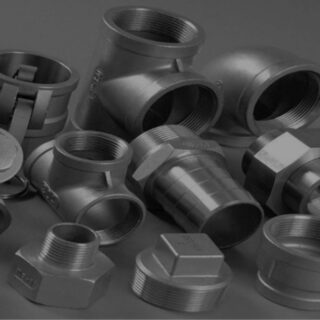
The decision on which material to use for flanges is one of the most important decisions that you will have to make concerning your piping systems. No matter whether you are going to use the pipe flanges for an industrial application, a commercial setting, or just a home setting, the type you choose will greatly affect the outcome. In this blog, we will discuss some of the important points that would assist you in making the right choice for flange fittings material with the major emphasize on ASTM A182
Understanding Flanges and Their Importance
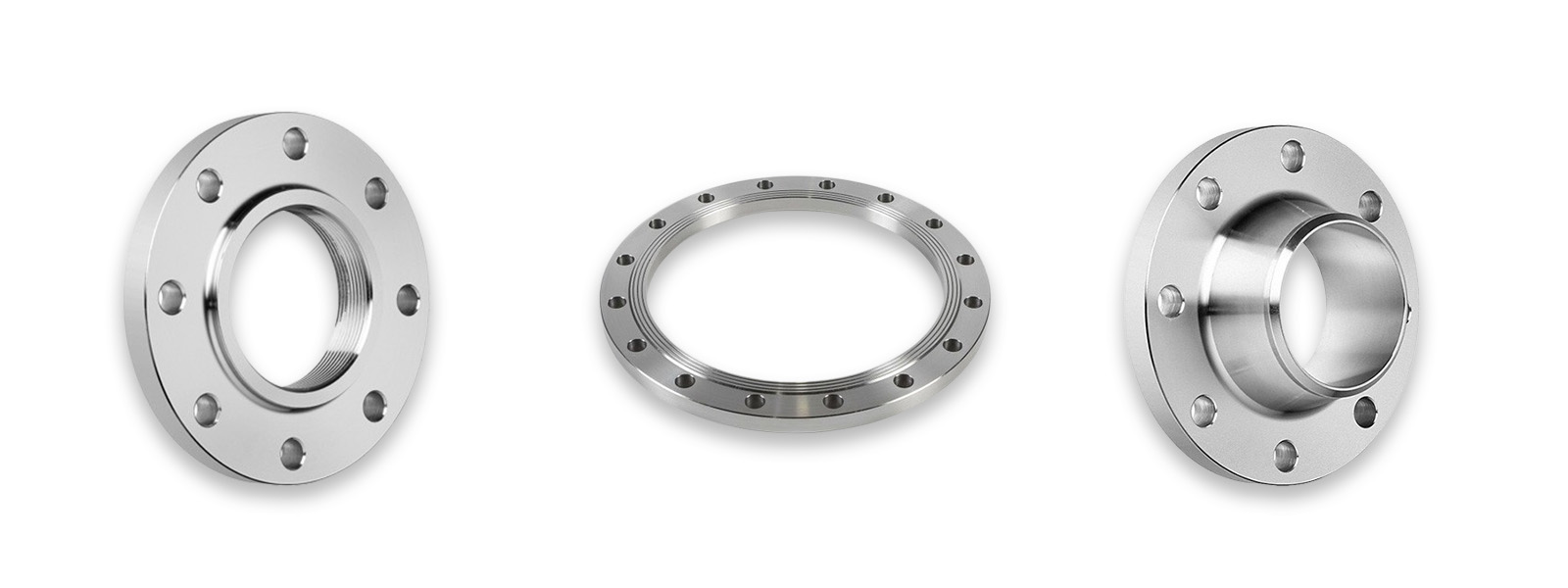
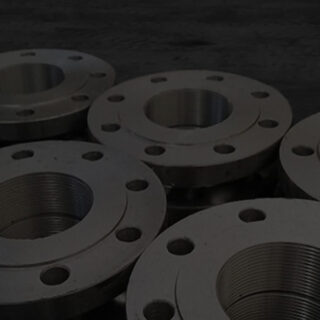
Flanges are vital parts that are utilized in joining pipes, valves, pumps, and other apparatus in creating a piping system. They afford convenient points for cleaning, inspection, alteration, and repair works. The right pipe flanges prevent leaks, are able to withstand pressure and corrosive environments to make your system run efficiently
Key Factors in Choosing Flange Material
In the process of choosing the material of flange fittings, some factors have to be considered to meet the necessary characteristics of the application. First of all, it is necessary to mention the influence of the operating conditions which include temperature, pressure, and corrosive environment. In high-temperature environments, the material must not deform or lose strength due to the heat while at the same time, it should be able to withstand the maximum pressure in the system. Also, if the system deals with corrosive materials, the material should be anti-corrosive to prevent the system from corroding and failing
Another important factor is the properties of the materials to be used for the construction of the buildings. The material should be strong enough to withstand tensile forces and should be tough enough to withstand shock loads and it should not react chemically with the substances it will be in contact with. Longevity is important to avoid frequent replacement of the material since it will be exposed to wear and tear over time. Also, the industry standards and regulations like ASTM A182 are followed to ensure that the material possesses the mechanical and chemical properties that are necessary to make the equipment safe and efficient
Common Flange Materials and Their Applications
Common flange materials and their applications include carbon steel, stainless steel, alloy steel, nickel alloys, and copper alloys. Carbon steel offers high strength, durability, and cost-effectiveness, making it widely used in general industrial applications such as water and gas pipelines. However, it is susceptible to corrosion and is not suitable for highly corrosive environments. Stainless steel, on the other hand, provides excellent corrosion resistance, strength, and durability, making it ideal for chemical processing, food and beverage, pharmaceutical, and marine applications. Stainless steel flanges often comply with ASTM A182 standards, ensuring high-quality performance
Alloy steel enhances strength and toughness, performing excellently in high-temperature and high-pressure environments, suitable for power plants, petrochemical plants, and oil refineries. Alloy steel flanges typically conform to ASTM A182 specifications. Nickel alloys offer superior resistance to corrosion, heat, and oxidation, making them perfect for extreme environments such as aerospace, nuclear power, and chemical processing, though they come at a higher cost compared to other materials. Copper alloys provide good corrosion resistance and excellent thermal and electrical conductivity, common in HVAC systems, desalination plants, and maritime applications, though they have lower strength compared to steel and nickel alloys
Why ASTM A182 Matters
ASTM A182 is a standard specification for forged or rolled alloy and stainless steel pipe flanges, forged fittings, and valves and parts for high-temperature service. Adhering to ASTM A182 ensures that the flange fittings meet rigorous quality and performance standards, providing peace of mind that they will perform reliably in demanding conditions
Steps to Choose the Right Flange Material
Assess Application Requirements :
Determine the operating temperature, pressure, and type of fluid or gas the system will handle.
Consider the environment, including potential exposure to corrosive substances.
Review Material Properties :
Compare the mechanical and chemical properties of potential materials.
Check for industry standards and certifications, such as ASTM A182.
Consult with Experts :
Seek advice from engineers or industry experts to ensure the chosen material meets all operational and safety requirements.
Consider previous experiences and case studies of similar applications.
Perform a Cost-Benefit Analysis :
Evaluate the initial cost versus the long-term benefits, including maintenance and replacement expenses.
Balance performance needs with budget constraints
Conclusion
Choosing the right flange material is a crucial decision that can impact the safety, efficiency, and longevity of your piping system. By considering the operating conditions, material properties, and industry standards like ASTM A182, you can make an informed choice that meets your specific application needs. Whether you opt for carbon steel, stainless steel, alloy steel, nickel alloys, or copper alloys, each material offers unique benefits and should be selected based on your project's requirements. Taking the time to select the right material will ensure reliable performance and peace of mind for years to come