

Alloy Steel Blind Flanges
Home - Alloy Steel - Alloy Steel Flanges - Alloy Steel Blind Flanges
Alloy Steel Blind Flanges
EBY Fasteners offers robust alloy steel blind flanges that provide a reliable sealing solution for diverse industrial piping needs. Engineered for strength and versatility, these flanges are available in various grades of low-alloy, stainless, and specialized high-alloy steels. Whether you’re operating in moderate-temperature environments or facing harsh chemicals and extreme conditions, EBY Fasteners has a blind flange solution to match your requirements
These alloy steel blind flanges are manufactured in strict compliance with industry standards like ASTM and ASME. This ensures accurate dimensions, compatibility with your existing piping systems, and the mechanical properties necessary for dependable performance. EBY Fasteners’ commitment to quality control means their alloy steel blind flanges undergo careful inspections to guarantee their integrity
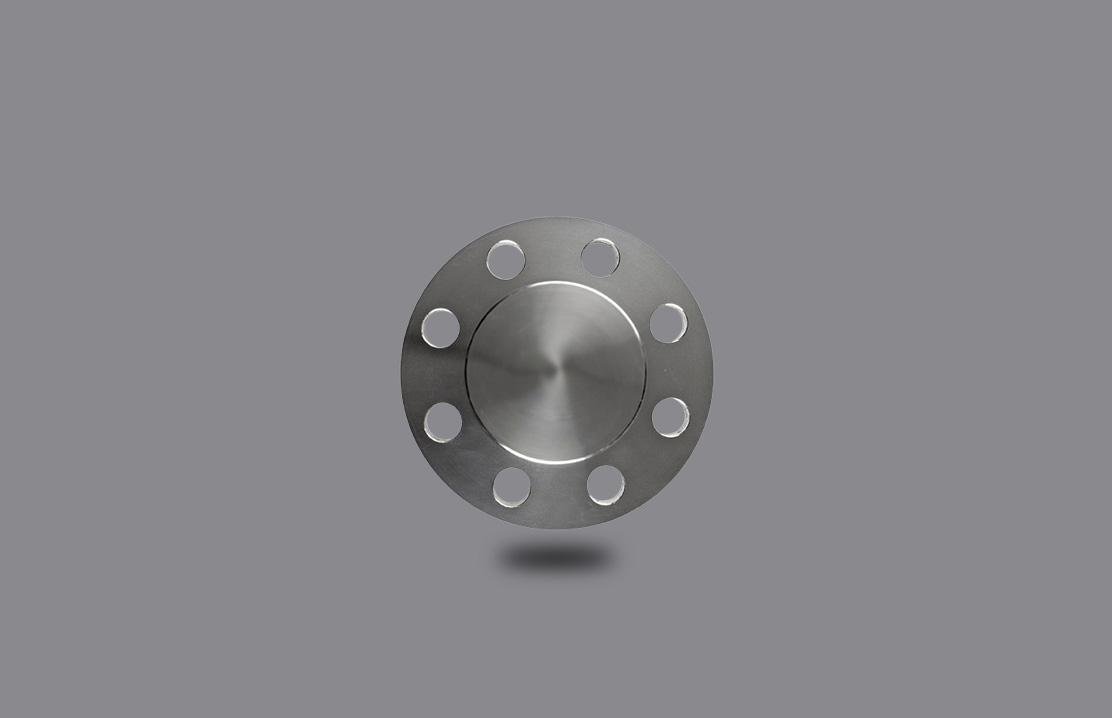
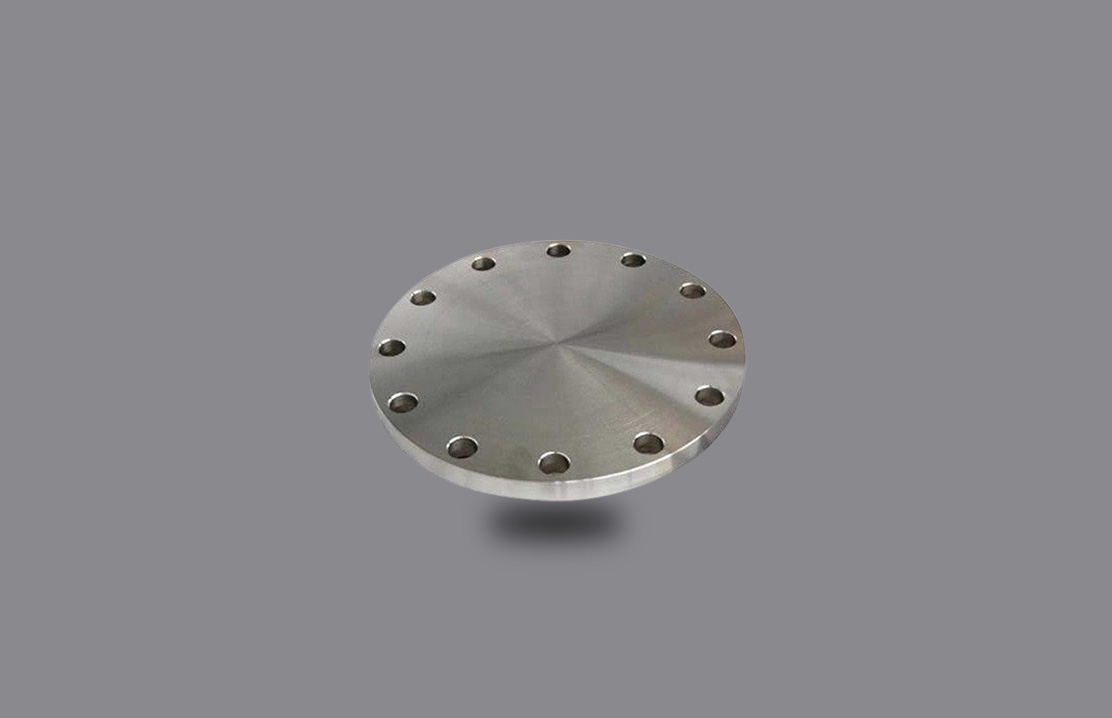
From oil and gas pipelines to chemical processing plants and demanding industrial applications, EBY Fasteners’ alloy steel blind flanges offer a secure way to terminate pipe runs, isolate sections, or enable future expansion. Choose EBY Fasteners for your blind flange needs and experience the benefits of quality construction, material expertise, and a focus on reliable solutions
From oil and gas pipelines to chemical processing plants and demanding industrial applications, EBY Fasteners’ alloy steel blind flanges offer a secure way to terminate pipe runs, isolate sections, or enable future expansion. Choose EBY Fasteners for your blind flange needs and experience the benefits of quality construction, material expertise, and a focus on reliable solutions
- ASTM A182 F1 : Think of F1 as a reliable, basic option for moderately high-temperature and pressure situations. It offers decent strength and some corrosion resistance, making it a common choice in oil and gas pipelines, basic process piping, and general industrial use where costs need to be kept in check.
- ASTM A182 F5 : When you need more muscle than F1 offers, F5 steps in. Its higher chromium and molybdenum boost strength and creep resistance (resistance to deforming under sustained high temperature). This makes it ideal for higher-pressure pipelines, heat exchangers, and vessels within power plants and refineries.
- ASTM A182 F9 : F9 ups the strength and high-temperature performance even further. It's often found in demanding applications within power generation, where it handles hotter fluids and the stresses that come with them. F9 is a go-to where extreme reliability is essential.
- ASTM A182 F11/F22 : These grades are where basic corrosion resistance starts getting serious. With their higher chromium content, they're better suited for pipelines and systems handling mildly corrosive fluids. You'll find them in various chemical processing applications and industries where moderate corrosives are present in process piping.
- ASTM A182 F91 : F91 packs in a hefty amount of chromium for even better high-temperature strength. This grade excels in power plant components like boilers and superheaters where extreme heat and the potential for oxidation are concerns
- Size : 1/2" (15 NB) to 48" (1200NB) Blind flanges aren't just about strength; they need to fit! This size range covers a vast array of applications. The "NB" (Nominal Bore) refers to the approximate internal diameter of a compatible pipe. So, a 1/2" NB flange would work with a pipe whose inner diameter is roughly 1/2 inch. The larger 48" size caters to massive industrial piping systems.
- Dimensions : ANSI B16.5, ANSI B16.47, Series A & B, MSS SP44, ASA, API-605, AWWA, Custom Drawings Dimensional standards are crucial for compatibility within complex piping networks. ANSI and ASME standards dominate in the US; MSS SP44 caters to specific pipe thicknesses, whereas older ones like ASA and API-605 may still be used. The mention of "Custom Drawings" highlights that sometimes you need a flange tailored specifically for unique non-standard piping.
- Class : 150 LBS, 300 LBS etc. This denotes the pressure rating, or how much pressure the flange handles at a given temperature. Imagine this as a safety limit. Common classes like 150 and 300 are suitable for many applications, while the higher 600, 900, etc. are for extreme pressure systems. Interestingly, DIN flanges use a different rating system (ND-6, 10, etc.) emphasizing the importance of knowing the standard being used.
- Standard : ANSI/ASME B16.5, B16.47 etc. These standards are the rulebooks defining everything from flange dimensions to pressure ratings for different classes. Think of them as the blueprints for compatibility. The variety of standards listed shows that blind flanges aren't just used in the US, but globally, each region often with their own preferred standards.
- Flange Face Type : Flat Face (FF), Raised Face (RF), Ring Type Joint (RTJ) The face is where the flange mates with a gasket for sealing. Flat Face is the most basic, Raised Face provides a better sealing surface, while Ring Type Joint uses a specialized groove (and a different style of gasket) for extreme high-pressure applications
- Reliable Sealing : The primary function of a blind flange is to provide a secure seal at the end of a pipeline, vessel, or system component. This is crucial for isolating sections, terminating flow, or enabling future expansions.
- Pressure and Temperature Resistance : Alloy steels, depending on the grade, offer excellent strength at both normal and elevated temperatures. This allows them to withstand the pressures within a system and the thermal stresses associated with temperature fluctuations.
- Corrosion Resistance : Especially with stainless steels and high-alloy grades, blind flanges can be highly resistant to a wide range of chemicals and corrosive environments. This makes them indispensable in the chemical processing, marine, and oil and gas industries.
- Adaptability : Alloy steel blind flanges are available in a wide range of sizes, pressure classes, face types, and material grades. This versatility allows them to be integrated into diverse piping systems, handling various fluids and operating conditions.
- Ease of Maintenance : In some cases, blind flanges are used for temporary closures. Their ability to be installed and removed with relative ease makes them convenient for accessing and maintaining pipeline sections or equipment.
- Customizable : While standards govern many aspects, alloy steel blind flanges can also be manufactured to custom specifications. This caters to unique piping requirements or non-standard replacement needs
- Offshore Platforms : Blind flanges are a lifeline on offshore platforms. They seal off pipelines for maintenance, isolate sections for safety, and even terminate lines where future platform expansion may be needed. Alloy steels, especially stainless or high-alloy grades, are crucial due to the harsh saltwater environment and potential for corrosive fluids within the system.
- Ship Building : From fuel lines to water systems and even specialized process fluids, ships are compact cities with complex piping. Alloy steel blind flanges help terminate lines, enable repairs, and allow for modifications throughout the ship's lifespan. Their strength and corrosion resistance (depending on the grade) are essential in a marine environment.
- Industrial Machineries : Many industrial machines use hydraulic systems, cooling lines, and process piping. Blind flanges made of alloy steels find use in sealing off sections for maintenance, allowing for machine upgrades, and providing secure termination points where needed. Their resistance to vibration and ability to handle various fluids make them versatile components.
- Dairy & Food : Hygiene is paramount in the dairy and food industry. Stainless steel blind flanges (like F304 or F316) are widely used to seal off piping for cleaning, allow equipment changes, and ensure no contamination can occur at the end of a line. Their smooth surfaces and resistance to both corrosion and harsh cleaning chemicals make them ideal.
- Sugar Mills : Sugar processing involves piping hot liquids, often with some acidic properties. Alloy steel blind flanges, potentially with specialized grades depending on the exact conditions, help manage this piping network. They provide reliable sealing for cleaning, maintenance, and enable process changes throughout the sugar mill
Chemical Composition
| Element | Percentage |
|---|---|
| Carbon (C) | Range (0.15 - 0.30) |
| Manganese (Mn) | Range (0.30 - 0.60) |
| Silicon (Si) | Range (0.15 - 0.50) |
| Chromium (Cr) | Range (0.40 - 0.80) |
| Nickel (Ni) | Range (8.00 - 14.00) |
| Molybdenum (Mo) | Range (0.45 - 0.65) |
Alloy Steel flanges


