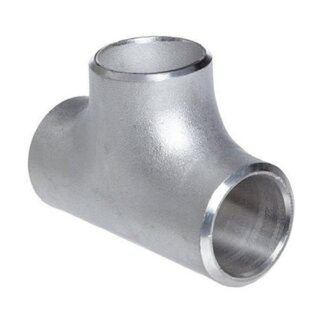
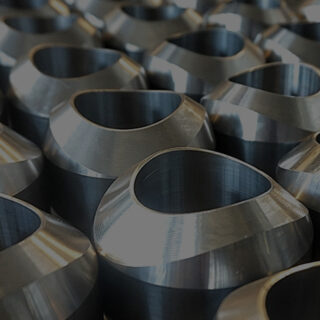
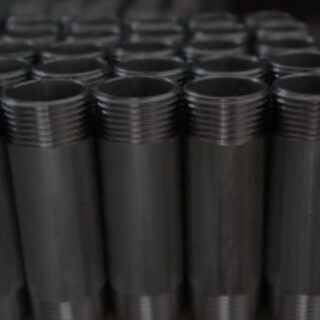
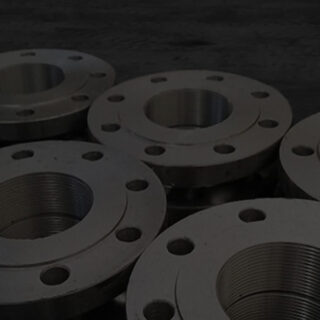
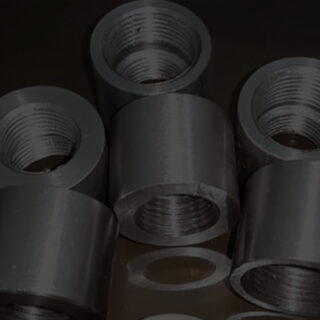
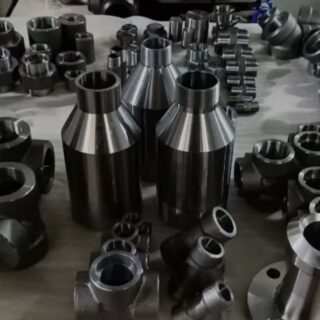
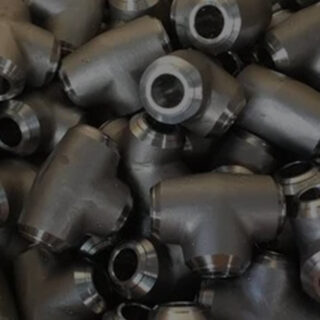
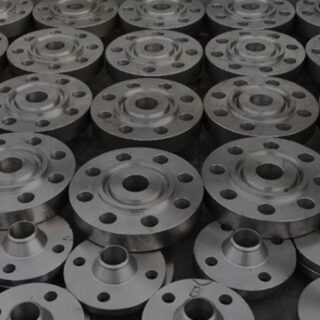
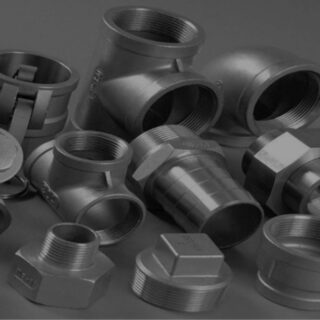
In the intricate world of pipe fittings, certain components play crucial roles despite their unassuming appearance. Among these unsung heroes are carbon steel stubends. These short, cylindrical pipe sections, seemingly simple in design, serve as vital connectors in various industrial applications. Let’s delve deeper into the significance of carbon steel stubends and their role in ensuring seamless piping systems
What are Carbon Steel stubends?
Carbon steel stubends, often referred to as lap joint stubends, are pipe segments with beveled ends designed to be welded onto other pipe components. They are typically used in conjunction with lap joint flanges to create a flexible and easily disassembled connection. This flexibility is particularly valuable in systems that require frequent maintenance or inspection
Material and Standards: The Importance of ASTM A234 WPA
One of the key aspects that define carbon steel stubends is their material composition. They are primarily manufactured from carbon steel, a versatile alloy known for its strength, durability, and cost-effectiveness. To ensure consistent quality and performance, carbon steel stubends often adhere to the ASTM A234 WPA (Welded Pipe Fittings) standard. This standard specifies the chemical composition, mechanical properties, and manufacturing processes for carbon steel pipe fittings, guaranteeing reliability and safety
Types of stubends
There are three main types of carbon steel stubends, each designed for specific applications
Type A : Suitable for standard lap joint flanges, with a lap thickness greater than or equal to the nominal pipe wall thickness. The outer corner radius is designed to receive the lap joint flange.
Type B : Also used for standard slip-on flanges acting as lap joint flanges, with similar lap thickness requirements as Type A.
Type C : Versatile for both lap joint and slip-on backing flanges, often fabricated from pipes and featuring a flared end with a rounded inner diameter for the lap
Manufacturing Process
The manufacturing process of carbon steel stubends begins with the selection of high-quality carbon steel, known for its strength and durability in demanding applications. This raw material is then precisely cut to the desired length and carefully formed into a cylindrical shape. To ensure proper fit and welding preparation, the ends of the stubend are beveled. Machining processes are then employed to refine the stubend's dimensions and achieve a smooth, precise surface finish. Throughout the manufacturing process, rigorous quality control measures are implemented to verify that the final product meets stringent industry standards and specifications
Installations and Maintainance
The installation of Carbon Steel Stubends demands precision and expertise, as qualified welders are essential to execute the welding process correctly, ensuring a strong and secure connection. Accurate alignment of the stub end with the flange is of paramount importance to prevent undue stress on the joint and the potential for leaks. Regular inspections are crucial to maintain the integrity of the system, with a focus on identifying any signs of corrosion, cracks, or other forms of damage, particularly in harsh environments. Additionally, routine cleaning plays a vital role in preventing corrosion and maintaining the smooth operation of the stubends over time
Common Issues and Solutions
Despite their robust nature, carbon steel stubends can encounter certain issues during their service life. Leakage, a common problem, can stem from improper welding techniques, misalignment during installation, or physical damage to the stub end itself. Corrosion poses another significant challenge, particularly in harsh environments where it can accelerate rapidly. Applying protective coatings and conducting timely repairs can effectively mitigate this issue. Furthermore, stress or inherent material defects can lead to the formation of cracks in the stub end. Regular inspections, coupled with stress relief techniques when necessary, are essential in identifying and addressing these cracks to prevent further damage or potential failures
While carbon steel stubends are primarily associated with lap joint flanges, they can also be used in conjunction with seamless buttweld fittings. In these applications, the stub end is welded directly to the buttweld fitting, providing a permanent and leak-proof connection. This combination is often preferred in high-pressure or high-temperature systems where a more robust connection is required
In Conclusion
Carbon steel stubends, though often overlooked, are indispensable components in various piping systems. Their flexibility, cost-effectiveness, durability, and versatility make them a valuable asset in industries ranging from oil and gas to water treatment. By adhering to standards like ASTM A234 WPA, manufacturers ensure the quality and reliability of these stubends, contributing to the safe and efficient operation of countless industrial processes
Remember, the next time you encounter a carbon steel stub end, take a moment to appreciate its contribution to the complex world of piping systems. It may be a small component, but its role in ensuring seamless connections is truly significant
We hope this comprehensive overview of carbon steel stubends has been informative. If you have any further questions or inquiries, please don't hesitate to reach out to EBY Fittings, your trusted partner for high-quality pipe fittings and solutions
You can Contact EBY Fittings today at inquiry@ebyfasteners.com to discuss your pipe fitting needs and explore how our expert team can assist you in selecting the perfect carbon steel stubends for your project