

Alloy Steel 90° ELBOW & REDUCING ELBOW
Home - Alloy Steel - Alloy Steel Forged Fittings - Alloy Steel 90° Elbow and Reducing Elbow
Alloy Steel 90° Elbow and Reducing Elbow
When configuring your industrial piping network, EBY Fasteners provides the adaptable solutions you need with our alloy steel 90-degree and reducing elbows. Our 90-degree elbows allow for precise directional shifts in your piping layout, ensuring efficient flow routing. Their alloy steel construction offers strength and the potential to handle higher temperatures and resist corrosion depending on the grade selected
Need to transition between different pipe sizes? EBY Fasteners’ alloy steel-reducing elbows create a smooth and robust connection. Choose from various size combinations and alloy grades to find the perfect fit for your system’s design. These elbows maintain the inherent advantages of alloy steel, providing strength and durability even with the change in flow diameter
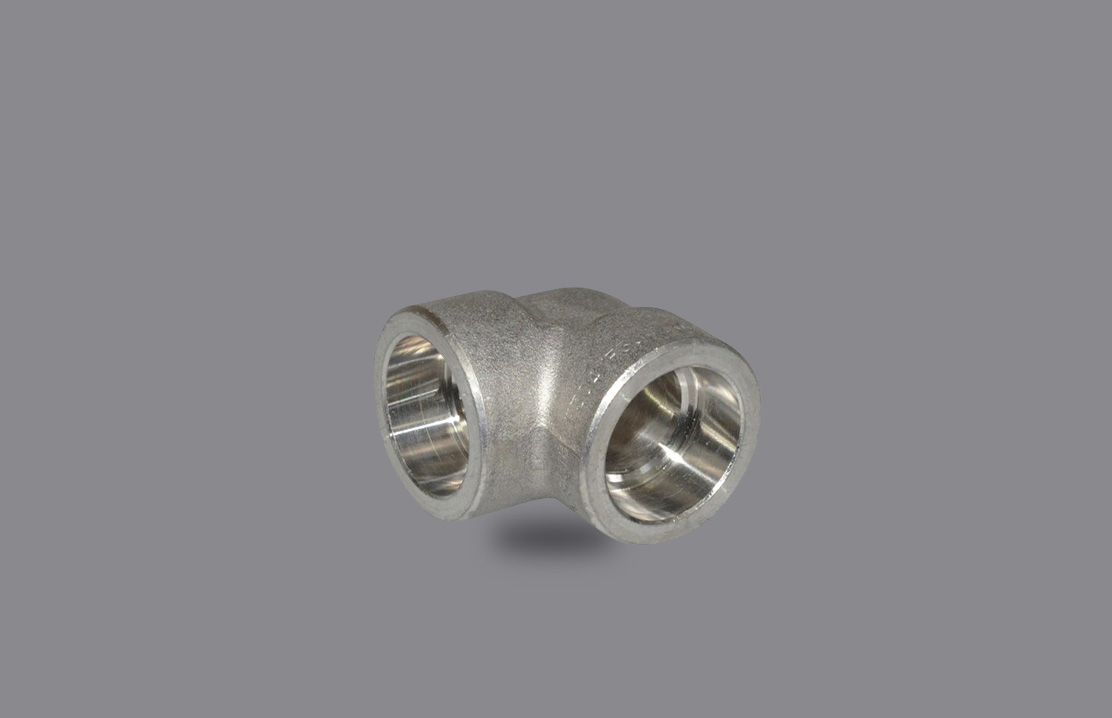
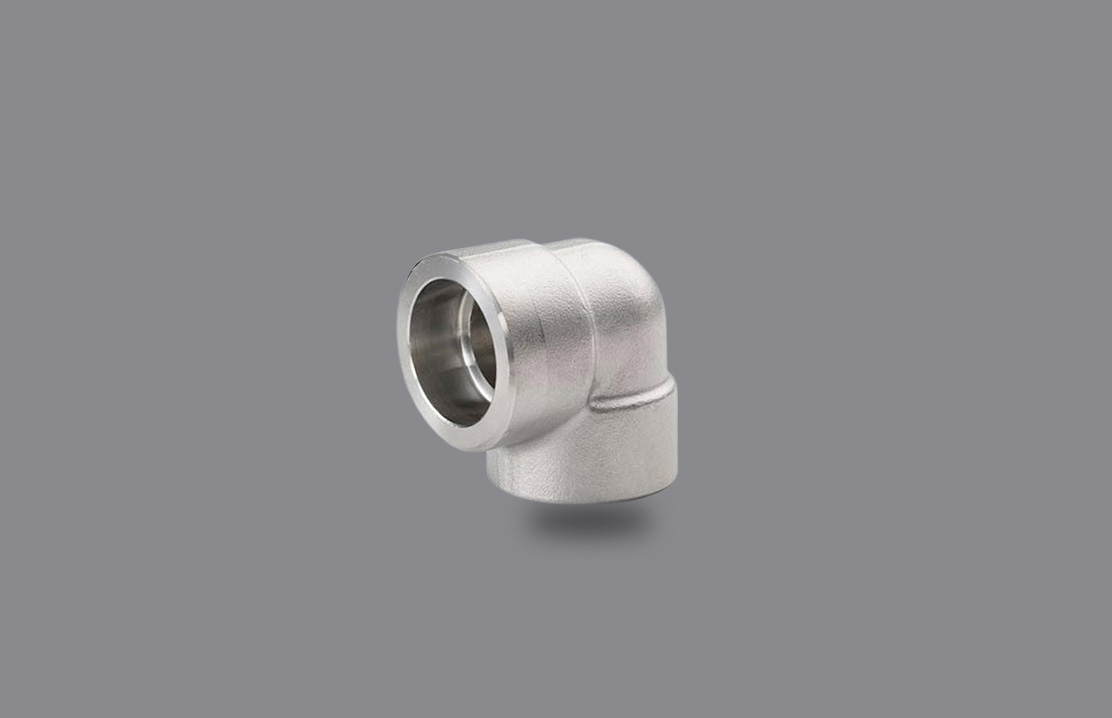
From oil and gas to chemical processing and power generation, EBY Fasteners’ alloy steel 90-degree and reducing elbows offer a reliable and versatile solution. Select the alloy grade tailored to your specific operating environment and experience the adaptability they bring to your piping installations
From oil and gas to chemical processing and power generation, EBY Fasteners’ alloy steel 90-degree and reducing elbows offer a reliable and versatile solution. Select the alloy grade tailored to your specific operating environment and experience the adaptability they bring to your piping installations
- F5, F9, F11, F22 : While not designed for extreme conditions, they offer enhanced strength, toughness, and handle moderately elevated temperatures better. The numbers (F5 to F22) indicate increasing chromium and molybdenum content, improving their ability to handle heat and pressure. You'll find them in oil and gas lines, general process piping, and situations where temperatures are slightly higher but extreme corrosion isn't expected.
- F304/304L, F316/316L : They have a high chromium content that forms a protective oxide layer, resisting rust and various chemicals. F304/304L are the most versatile stainless grades, while F316/316L have extra molybdenum for even better resistance to pitting corrosion in harsh environments. These are crucial in chemical processing, food handling, or anywhere the piping might encounter fluids that would degrade regular steel.
- High-Alloy Steels : They offer remarkable corrosion resistance, even in saltwater environments and when dealing with aggressive chemicals. High-chromium grades are designed to handle the blazing heat found in power plant components. You'll also find other niche grades tailored to very specific combinations of harsh chemicals and high temperatures
- Standards : (ASTM A234, ASME B16.9, ASME B16.28, MSS SP-75) Standards are the rulebooks that ensure compatibility and safety across manufacturers. ASTM A234 covers the material requirements for the alloy steels themselves. ASME B16.9 and B16.28 set the dimensional standards (think wall thicknesses, diameter tolerances, etc.) for these elbows. MSS SP-75 might be relevant in specific cases where very precise dimensional ranges or particular materials are needed.
- Size :(1/2" to 24" NB, Larger sizes may exist) "NB" stands for Nominal Bore, which is roughly the pipe's internal diameter. This range covers a vast array of applications, from small-scale process piping to the large lines found in power plants or refineries. Note that very large sizes might need to be custom-made rather than being an off-the-shelf item.
- Pressure Rating :(Class 3000, Class 6000, Class 9000) This is a safety limit, telling you the maximum pressure the elbow can handle at a given temperature. Common classes like Class 3000 are sufficient for many applications, but high-pressure systems (especially in industries like oil and gas) might require the more extreme ratings found in the higher classes.
- Elbow Type :(90-degree, Long Radius, Short Radius) This describes the bend in the elbow. A 90-degree creates a sharp change, while Long Radius (LR) has a more gradual curve (often preferred for better flow characteristics). Short Radius (SR) elbows provide an even tighter turn, useful where space is extremely limited.
- End Connections : (Butt-Weld, Socket-Weld, Threaded) This determines how the elbow attaches to the pipe. Butt-weld (BW) is common for larger, high-pressure systems. Socket-weld (SW) allows for easier fit-up and welding. Threaded (TH) connections are often found in smaller sizes and where disassembly might be needed
- Sharp Directional Changes : 90-degree elbows provide a decisive shift in flow direction. This is essential for navigating around obstacles within a piping system, maximizing space usage in confined areas, or achieving specific piping layouts.
- Strength and Resilience : Alloy steels bring superior strength and toughness to the table. This translates to the ability to handle higher pressures, potential vibrations, and depending on the specific grade, elevated temperatures without compromising the integrity of the elbow.
- Smooth Flow Transition Between Pipe Sizes : Reducing elbows enable a controlled and gradual change in pipe diameter. This minimizes potential turbulence and pressure losses within your piping network, promoting efficient fluid flow.
- Strength of Alloy Steel : Reducing elbows retain the fundamental advantages of their alloy steel construction. This means they offer the strength, potential temperature tolerance, and depending on the grade, the corrosion resistance needed to withstand the pressures and conditions within your industrial system.
- Versatility : The combination of size reduction and the benefits of alloy steels makes reducing elbows incredibly adaptable. They find use across industries ranging from oil and gas, where strength is paramount, to chemical processing, where corrosion resistance might be the priority
- Refinery and Petrochemical : Alloy steel elbows handle the complex piping, high pressures, and corrosive hydrocarbons found in refineries. Reducing elbows help manage flow transitions within process systems.
- Chemical : In the chemical industry, 90-degree elbows provide sharp turns in corrosive lines, while reducing elbows offer controlled flow adjustments and integration of smaller process lines.
- Oil and Gas : These elbows are found in high-pressure oil and gas transmission lines (above and below ground) and compact wellhead piping. Reducing elbows help with size changes in various systems.
- Power Plant : Alloy steel elbows handle steam lines, cooling systems, and other areas where strength and potential high-temperature resistance are needed. They are also used in boiler feedwater lines where size transitions might be required.
- Offshore Platforms : On offshore platforms, alloy steel elbows are key for their resistance to saltwater corrosion. They are essential in the tight spaces and process lines exposed to the harsh marine environment.
- Ship Building : In ships, these elbows are found in fuel, water, and waste systems where space is tight. Marine-grade alloys are crucial for corrosion resistance. Reducing elbows adapt to the varying pipe sizes within a ship's systems.
- Industrial Machineries : 90-degree elbows navigate tight spaces in hydraulic and lubrication systems, potentially handling elevated temperatures. Reducing elbows provide flow control within machines.
- Pharmaceuticals : Alloy steel elbows (especially stainless) are crucial for sanitary, non-contaminating piping used in pharmaceutical production. Reducing elbows manage flow in process lines for sensitive materials.
- Pumps and Compressor : These elbows withstand the pressures and vibrations associated with pumps and compressors. Reducing elbows facilitate integration into pump and compressor systems with varying pipe sizes.
- Dairy and Food : Sanitary stainless steel elbows ensure safe, hygienic food processing. They resist corrosion from milk, food products, and cleaners. Reducing elbows help control flow and distribution.
- Sugar Mills : Alloy steel elbows handle the potentially abrasive sugar solutions within sugar mill process lines. Reducing elbows facilitate flow management in the processing steps.
- Textile Machineries : Elbows are used in dye lines and chemical delivery, chosen for their resistance to the specific chemicals used in textile processing. Reducing elbows adapt flow to different parts of the machinery.
- Fertilizers and Pesticides : In this industry, highly corrosion-resistant alloy elbows are needed to handle potentially aggressive fertilizers and pesticides. Reducing elbows allow for adaptable flow management within production processes
Chemical Composition
| Element | Percentage Range |
|---|---|
| Carbon (C) | 0.30 max |
| Manganese (Mn) | 2.00 max |
| Silicon (Si) | 0.75 max |
| Chromium (Cr) | 20.00 max |
| Nickel (Ni) | 14.00 max |
| Molybdenum (Mo) | 3.00 max |
Alloy Steel Forged Fittings
- Alloy Steel 45° ELBOW
- Alloy Steel 90° Elbow & Reducing Elbow
- Alloy Steel Cross Tee
- Alloy Steel Equal Tee
- Alloy Steel Unequal Tee
- Alloy Steel Forged Cap
- Alloy Steel Forged Nipples
- Alloy Steel Forged Union
- Alloy Steel Full/Half & Reducing Coupling
- Alloy Steel Plugs & Bushings
- Alloy Steel Swage Nipples
- Alloy Steel Reducing Insert Fitting


