

Alloy Steel Socket weld Flange
Home - Alloy Steel - Alloy Steel Flanges - Alloy Steel Socket weld Flange
Alloy Steel Socket weld Flange
EBY Fasteners offers a reliable solution for piping systems where strength, corrosion resistance, and a compact design are desired. Our alloy steel socket-weld flange provides a leak-tight seal by inserting the pipe into a recessed area of the flange and securing it with a fillet weld. Manufactured from a selection of low-alloy, stainless, and specialized high-alloy steels, they cater to a wide range of demanding industrial applications
This alloy steel socket-weld flange adheres to strict industry standards like ASTM and ASME. This ensures dimensional accuracy, pressure ratings, and compatibility across varying piping systems. EBY Fasteners’ quality control processes guarantee the integrity and performance of every flange, so you can trust them to deliver dependable service within your critical piping networks
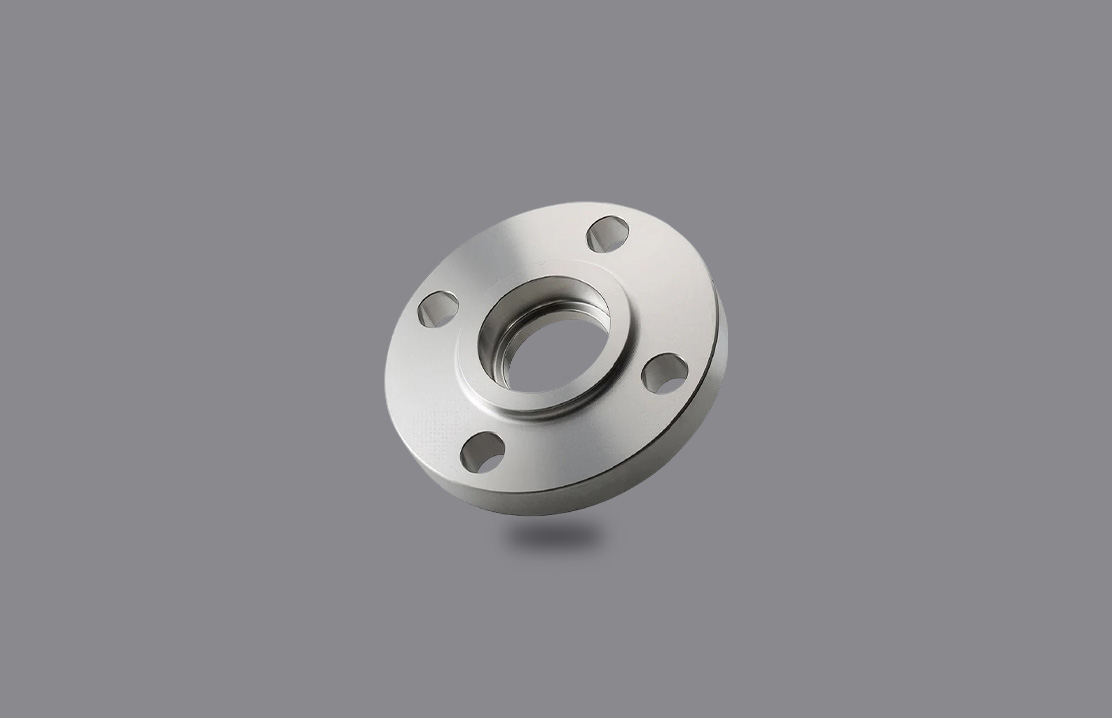
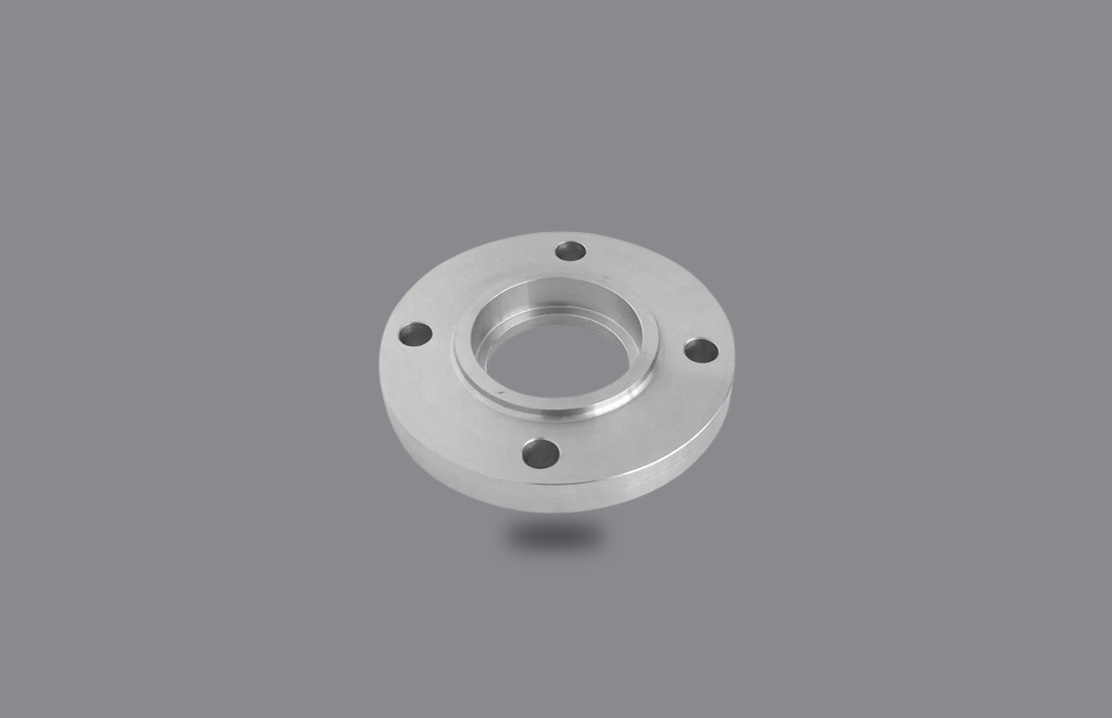
Choose EBY Fasteners’ alloy steel socket-weld flange for projects in oil and gas, chemical processing, power generation, and other industries where secure, space-efficient piping connections are essential. Their combination of strength, adaptability, and reliability make them a valuable asset for your industrial needs
Choose EBY Fasteners’ alloy steel socket-weld flange for projects in oil and gas, chemical processing, power generation, and other industries where secure, space-efficient piping connections are essential. Their combination of strength, adaptability, and reliability make them a valuable asset for your industrial needs
- ASTM A182 F1 : Think of F1 as a reliable, "no-frills" option for applications with moderate temperature and pressure requirements. It offers decent strength and some corrosion resistance. You'll often find it in general industrial piping, oil and gas lines where cost is a major factor, and where the environment isn't overly harsh.
- ASTM A182 F5 : F5 packs a bit more strength and creep resistance (resistance to deforming under sustained high temperatures) compared to F1. Its enhanced chromium and molybdenum content makes it suitable for slightly higher-pressure pipelines, heat exchangers, and vessels commonly found within power plants and refineries.
- ASTM A182 F9 : F9 ups the strength and high-temperature performance even further. It's a common choice in power generation applications where components handle extremely hot fluids and the stresses that come with them. F9's ability to maintain its strength in tough conditions makes it a reliable choice for demanding systems.
- ASTM A182 F11 & F22 : With increasing levels of chromium, F11 and F22 offer improved corrosion resistance over the previous grades. You'll find them in process piping handling mildly corrosive fluids, chemical processing applications, and various industries where combating corrosion is important.
- ASTM A182 F91 : F91 boasts a very high chromium content, pushing its high-temperature strength and corrosion resistance to the next level. This specialized grade excels in power plant components like boilers and superheaters, where extreme temperatures and the potential for oxidation are concerns
- Common Outer Diameters (1/2 inch to 24 inches) : Slip-on flanges cater to a standard range of pipe sizes. The most common ones fall in this range, allowing for easy integration into many industrial piping systems. This covers everything from small process lines to larger pipelines found in refineries or power plants.
- Special Customized Diameters (Up to 60 inches) : Not every pipe is "standard." For massive industrial piping systems, customized slip-on flanges can be manufactured to much larger diameters. This highlights the adaptability of slip-on flanges for even large-scale projects with unique pipe sizes.
- Material Types (Stainless Steel, Alloy Steel, Carbon Steel) : Material choice is key! Alloy steel flanges provide strength, some temperature resistance (F5, F9, etc.), and varying levels of corrosion resistance (depending on the grade). Stainless steel excels in corrosion resistance, while basic carbon steel is only for non-corrosive, lower-pressure/temperature applications.
- Class Range (Class 150 to Class 2500, PN2.5 to PN250) : This indicates the pressure limits of the flange at a given temperature. Common classes like 150 and 300 are suitable for many applications, but high-pressure systems (especially in industries like oil and gas) might need higher class ratings. Note the use of both imperial and metric pressure rating systems (PN).
- Flange Face Type (RF, RTJ) : The face is where the flange mates with a gasket. Raised Face (RF) is a standard type providing a good sealing surface. Ring Type Joint (RTJ) uses a specialized groove with a metallic ring-type gasket, often found in extreme high-pressure environments where flawless sealing is critical.
- Standards (ASTM, ASME, BS, DIN) : Standards are the rulebooks for compatibility and safety! ASTM and ASME dominate in the US. British (BS) and German (DIN) standards exist as well, underscoring that flanges are used globally, and knowing which standard applies is crucial
- Convenient Installation : Slip-on flanges offer a straightforward installation process. They slide onto the pipe and are secured with fillet welds, making them well-suited for maintenance, modifications, or situations where minimizing downtime is a priority.
- Budget-Friendly : Their simpler design and less demanding welding requirements often make slip-on flanges a more economical choice compared to some other flange types, especially for larger projects.
- Adaptability : Alloy steel options provide strength, varying degrees of temperature tolerance, and corrosion resistance. This versatility allows you to select the ideal slip-on flange for a wide range of applications, from basic industrial piping to handling more challenging fluids.
- Compact Option : Where space is limited, slip-on flanges can be advantageous due to their smaller axial footprint compared to some other flange types. This makes them a good solution for tight piping layouts.
- Reliable for Moderate Pressures : Although not ideal for extreme high-pressure systems, slip-on flanges effectively handle a broad range of common industrial pressure requirements. This makes them a cost-effective and dependable choice for numerous piping applications
- Oil & Gas : Slip-on flanges play a role in both oil and gas pipelines and within refinery process systems where pressures are moderate. Alloy steel construction offers strength and the potential for corrosion resistance, depending on the specific grade needed for the fluids being handled. Their ease of installation is valuable in both areas.
- Power Plant : Within power plants, you'll find alloy steel slip-on flanges in various auxiliary systems. They manage cooling water lines, process piping, and lower-pressure steam systems where their quick installation and cost-effectiveness are beneficial.
- Offshore Platforms : The compact nature of slip-on flanges make them well-suited for the tight spaces found on offshore platforms. Alloy steels, especially corrosion-resistant grades, are essential for battling the harsh marine environment and handling any potentially corrosive process fluids.
- Sugar Mills : Sugar refineries utilize alloy steel slip-on flanges for their ability to withstand the moderate temperatures and slightly acidic conditions of sugar processing. They are a practical choice for maintenance and modifications within the sugar mill's piping.
- Textile Machineries : Alloy steel slip-on flanges find applications in textile mills for water, compressed air, and potentially for the delivery of dyes or other chemicals (ensuring the chosen alloy grade is compatible). Their ease of installation and maintenance helps minimize downtime in these complex production environments.
- Fertilizers & Pesticides : Depending on the specific chemicals involved, slip-on flanges made from corrosion-resistant alloy steel grades can be a good fit for piping systems within fertilizer and pesticide production facilities. Choosing the correct alloy is critical to ensure long-term reliability
Chemical Composition
| Element | Percentage |
|---|---|
| Carbon (C) | 0.08% max |
| Manganese (Mn) | 2.00% max |
| Phosphorus (P) | 0.045% max |
| Sulfur (S) | 0.030% max |
| Silicon (Si) | 1.00% max |
| Chromium (Cr) | 8.00 - 10.00% |
| Molybdenum (Mo) | 0.90 - 1.10% |
| Nickel (Ni) | 10.00-14.00% |
Alloy Steel flanges


