SS / Duplex and Super Duplex Threaded Outlets
Home - SS / duplex and super duplex - SS / duplex and super duplex Branch Outlets - SS / Duplex and Super Duplex Threaded Outlets
SS / Duplex and Super Duplex Threaded Outlets
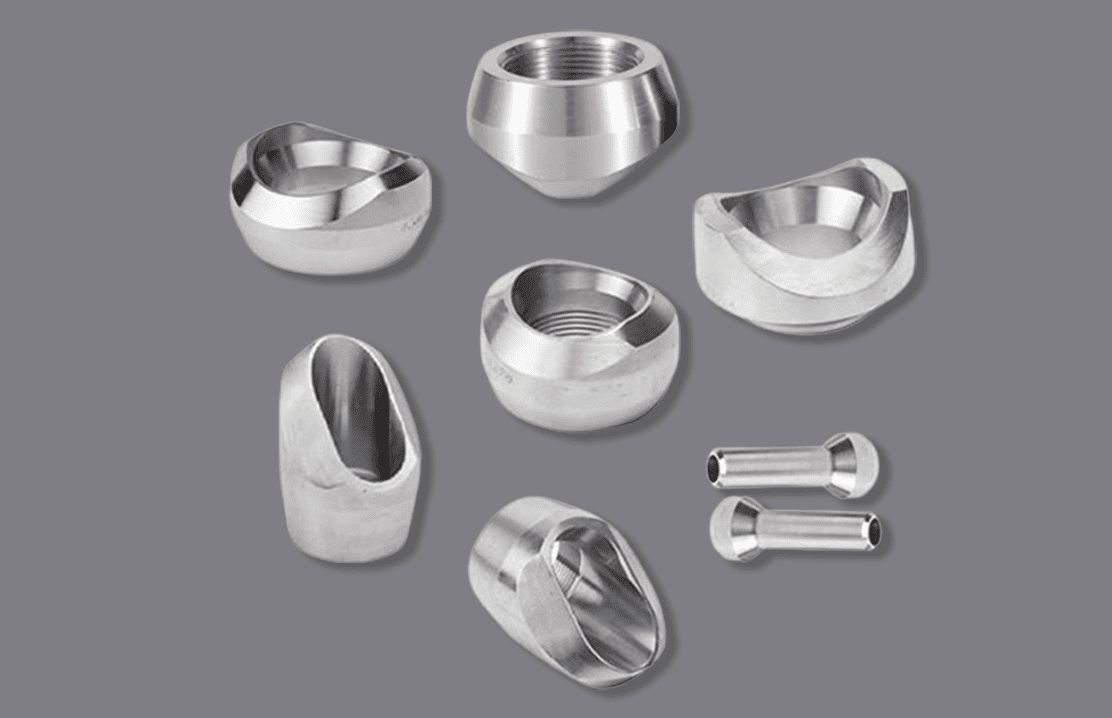
SS / Duplex and Super Duplex Threaded Outlets by EBY Fasteners offer robust and adaptable connections for your piping systems. These versatile outlets come in various sizes and stainless steel grades (including austenitic, duplex, and super duplex), providing excellent corrosion resistance and mechanical strength for diverse applications. Choose threaded outlets for their easy installation, adjustability, and adaptability, especially when dealing with smaller pipe diameters
Engineered for demanding environments, EBY Fasteners’ Threaded Outlets are ideal for handling aggressive chemicals, harsh temperatures, and marine conditions. Their precision-machined threads ensure secure and leak-tight connections. Whether you need to connect to existing threaded equipment, require easy maintenance access, or prefer the flexibility of adjustability, these outlets offer reliable solutions


Trust EBY Fasteners’ SS / Duplex and Super Duplex Threaded Outlets to streamline your piping projects. Experience the benefits of corrosion resistance, strength, and convenient threaded connections for optimal performance and long-term reliability


Trust EBY Fasteners’ SS / Duplex and Super Duplex Threaded Outlets to streamline your piping projects. Experience the benefits of corrosion resistance, strength, and convenient threaded connections for optimal performance and long-term reliability
- ASTM A182 Standard : This standard ensures the quality of materials used in the manufacture of both stainless steel and duplex/super duplex threaded outlets.
- Stainless Steel Grades : Common grades (F304/L) provide basic corrosion resistance. Grades with additions like molybdenum (F316/L) or special alloys (904L) offer even greater resistance to pitting, crevice corrosion, acids, and high temperatures.
- Duplex and Super Duplex Benefits : These grades offer exceptional strength and corrosion resistance, surpassing standard stainless steels, making them ideal for demanding environments.
- UNS Designations : Grades like F51 (2205 duplex) are commonly used, while F53, F55, and others represent super duplex options for extreme conditions. ASTM A182 also covers these grades.
- Importance of Grade Selection : Choosing the correct alloy grade tailored to your specific chemical environment, temperature range, and mechanical stress requirements is crucial for ensuring the longevity and reliability of your piping system
- Material Grades : Carefully consider your system's specific chemical environment, temperature range, and required strength when choosing your material. Stainless steel grades like F304/L and F316/L offer varying levels of corrosion resistance. Duplex (2205) and super duplex (2507) provide superior strength and specialized resistance to pitting and stress corrosion cracking.
- Manufacturing Standards : Ensure quality and dimensional compatibility by selecting fittings made according to relevant standards. ASTM A182 governs materials, ASTM A403 addresses austenitic fittings, and ASME B16.11 outlines specifications for threaded connections.
- Dimensions : Specify the appropriate threaded outlet configuration (straight, reducing, etc.), the correct Nominal Pipe Size (NPS) to match your existing piping, and the thread class (e.g., NPT, BSPT) that best suits your application's pressure and sealing needs.
- Performance Factors : Prioritize safety and longevity by verifying that the outlet's pressure rating exceeds your system's maximum operating pressure. Select a grade and design suitable for the full temperature range your system will experience, and ensure the material offers the necessary resistance to the specific chemicals and environmental conditions present.
- Additional Considerations : Check if the more specific MSS SP-97 standard applies to your chosen outlet design. Always verify that any required industry certifications or specialized approvals for your project have been met by the fitting
- Corrosion Conquerors : Crafted from specialized stainless, duplex, and super duplex alloys, these outlets offer outstanding resistance to a wide range of harsh chemicals, acids, saltwater, and even aggressive industrial environments. This resistance translates into long-term reliability and minimizes unexpected system downtime.
- Strength Advantage : These outlets boast excellent mechanical strength, a characteristic that's particularly pronounced in duplex and super duplex grades. This makes them ideal for high-pressure systems, demanding applications, or environments where vibration and stress are a concern.
- Installation and Maintenance Ease : Threaded connections provide a significant advantage, allowing for quick and convenient installation without the need for specialized welding equipment. They also offer adjustability for precise alignment and simplified access for inspection or replacement, reducing maintenance time and costs.
- Temperature Resilience : Stainless steel alloys are known for handling a broad temperature range. Specific grades are designed to excel in extreme heat or cryogenic conditions, expanding the range of applications for these outlets.
- Adaptability : Available in a wide array of sizes, thread classes (NPT, BSPT, etc.), and configurations (straight, reducing, etc.), these outlets ensure compatibility and a perfect fit within diverse piping networks. This versatility makes them a go-to solution for system modifications or expansions
- Refinery and Petrochemical : Connecting smaller-diameter process lines handling corrosive hydrocarbons, acids, and harsh chemicals. Integrating instrumentation, sensors, or sampling points where easy maintenance access is important.
- Chemical : Piping systems handling a wide array of aggressive acids, alkalis, solvents, and other chemicals where corrosion resistance is critical. Applications where flexibility in system layout or potential for future modification is desired.
- Oil and Gas : Both onshore and offshore pipelines and processing equipment, particularly where smaller lines handle saltwater or potentially corrosive substances extracted from wells. Threaded outlets may be preferred in some areas for easier maintenance and replacement.
- Power Plant : Coastal power plants utilizing seawater cooling systems – corrosion resistance is a top priority. Threaded connections may be used for connecting gauges, sensors, or smaller lines in water treatment areas.
- Offshore Platforms : Process and utility lines exposed to the harsh marine environment where their corrosion resistance and secure connections are essential. Instrument connections or areas where maintenance access is preferable.
- Ship Building : Employed in various shipboard piping systems, including fuel, lubrication, seawater cooling, ballast, and process lines. Threaded outlets offer easy installation in tight spaces.
- Industrial Machineries : Used in machinery handling corrosive fluids commonly found in chemical processing, plating, and cleaning applications. Their accessibility is an asset for maintenance.
- Pharmaceuticals : Smaller-diameter hygienic piping in pharmaceutical plants where their corrosion resistance and ease of cleaning are crucial for maintaining purity and quality standards.
- Pumps and Compressor : Piping systems associated with pumps and compressors, particularly those handling corrosive fluids. Threaded connections allow for easy maintenance.
- Dairy and Food : Hygienic piping for milk processing, food handling, and cleaning solutions. Their corrosion resistance is essential for food safety.
- Sugar Mills : May be used in areas where smaller process lines carry potentially corrosive byproducts or liquids associated with sugar production.
- Textile Machineries : Connecting piping sections carrying dyes, bleaches, and other potentially corrosive chemicals within textile manufacturing processes.
- Fertilizers and Pesticides : Handling the highly corrosive substances found in fertilizer and pesticide production facilities. Threaded outlets may be used for connecting to smaller lines or equipment where maintenance access is a factor
Chemical Composition
| Element | Percentage |
|---|---|
| Chromium(Cr) | 18-20% |
| Nickel (Ni) | 8-10.5% |
| Manganese (Mn) | up to 2% |
| Silicon (Si) | up to 1% |
| Carbon © | up to 0.08% |
| Phosphorus (P) | up to 0.045% |
| Sulfur (S) | up to 0.03% |
| Iron (Fe) | Balance |