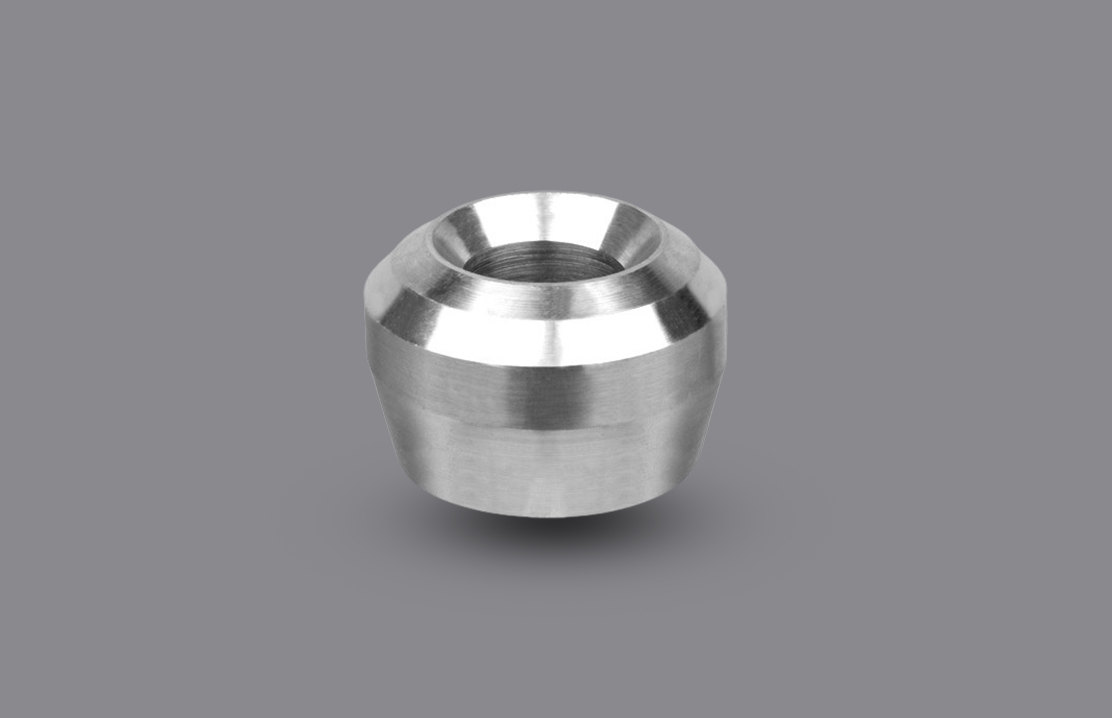
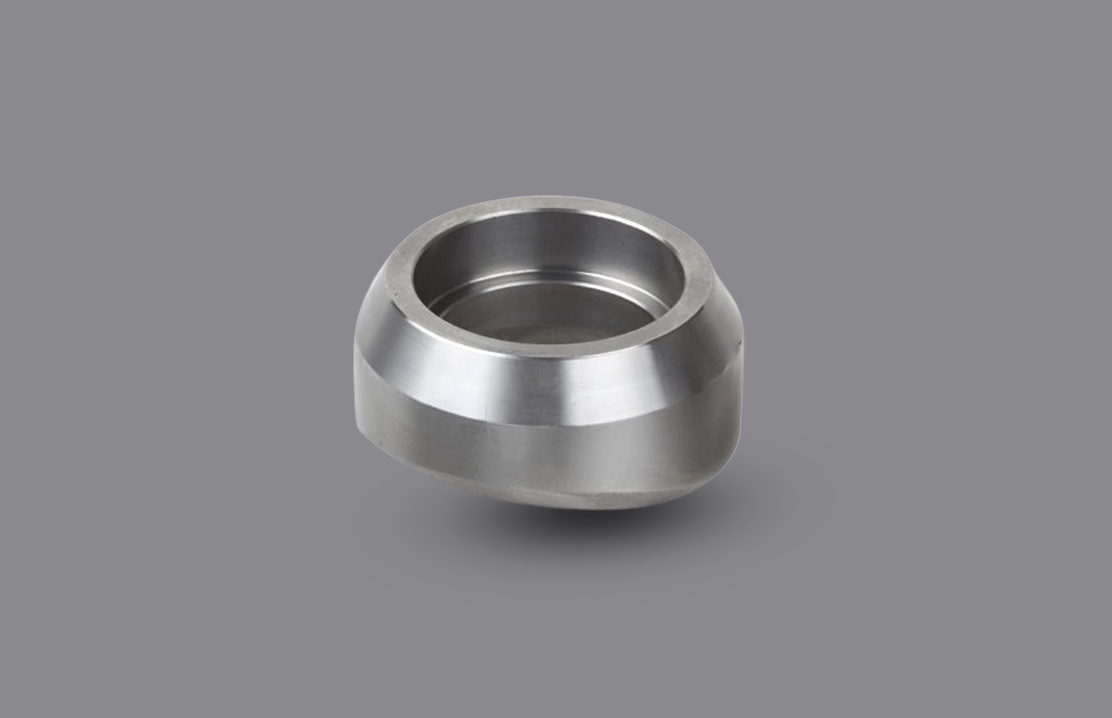
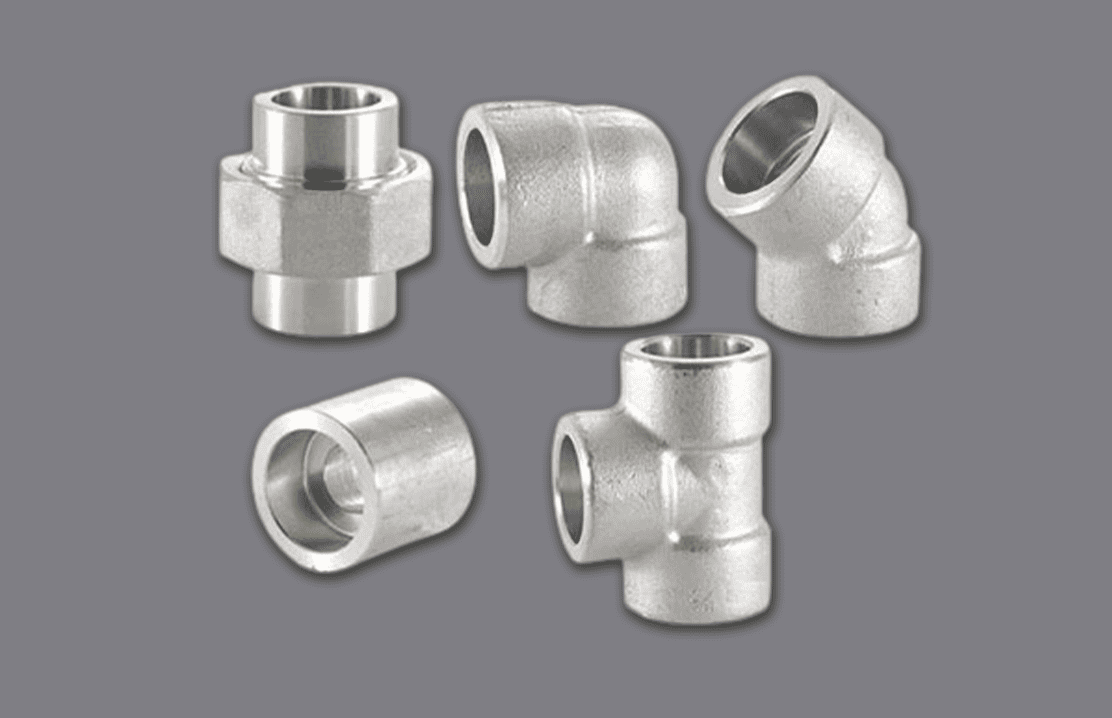
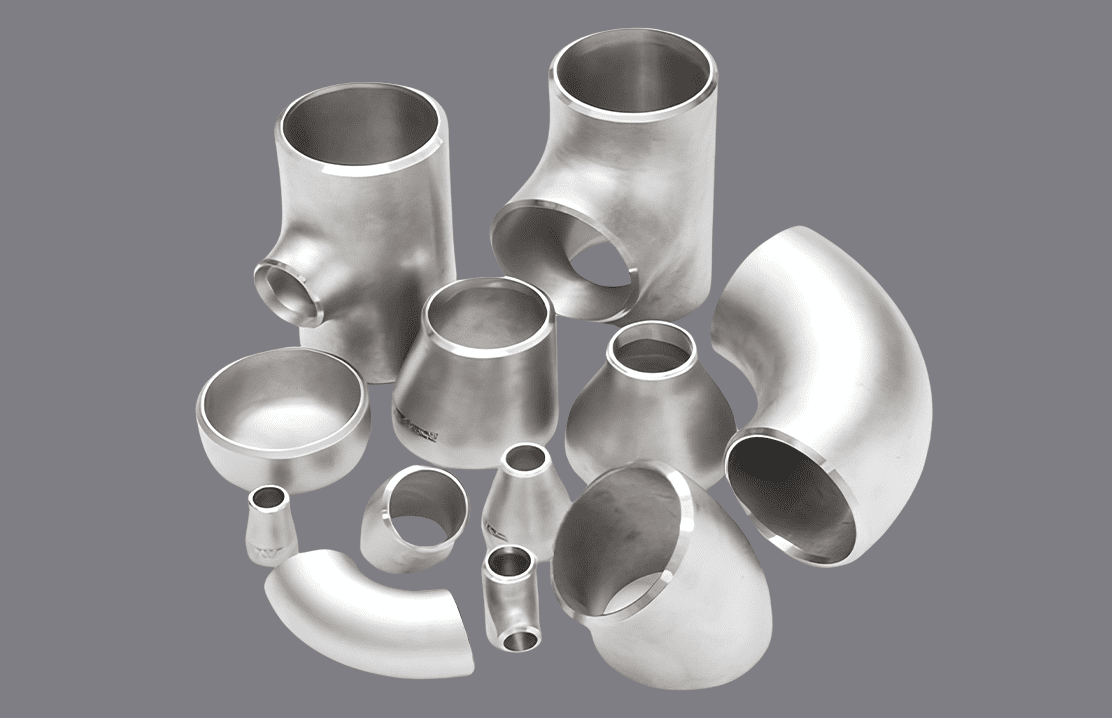
EBY Fasteners offers a comprehensive line of SS / Duplex and Super Duplex Socket Weld Outlets. These premium fittings are manufactured from high-quality stainless steel, duplex stainless steel, and super duplex stainless steel. Their Socket Weld design ensures a secure and leak-proof connection in critical piping systems, making them an excellent choice for demanding industrial applications
Our SS / Duplex and Super Duplex Socket Weld Outlets boast exceptional corrosion resistance, even in environments with harsh chemicals, chlorides, and seawater. This makes them ideal for a wide range of industries including chemical processing, oil and gas, marine, and water treatment. Additionally, these outlets offer superior strength and durability, capable of withstanding high pressures and temperatures
EBY Fasteners’ SS / Duplex and Super Duplex Socket Weld Outlets are manufactured to exacting standards, ensuring dimensional accuracy and compatibility with standard piping systems. We offer a wide selection of sizes, pressure classes, and material grades to meet the specific needs of your project
EBY Fasteners’ SS / Duplex and Super Duplex Socket Weld Outlets are manufactured to exacting standards, ensuring dimensional accuracy and compatibility with standard piping systems. We offer a wide selection of sizes, pressure classes, and material grades to meet the specific needs of your project
304/304L :
The most widely used stainless steel grades, 304 offers good corrosion resistance and formability. 304L has lower carbon content, improving its weldability and reducing the risk of intergranular corrosion in certain environments.
316/316L :
Adding molybdenum significantly enhances 316's resistance against pitting and crevice corrosion, especially in chloride environments. Like 304L, the lower carbon content in 316L provides advantages when welding is required.
2205 (UNS S32205 / S31803) :
The "workhorse" duplex grade, 2205 provides excellent resistance to stress corrosion cracking and roughly double the strength of common stainless steel grades. Its cost-effectiveness makes it a popular choice for many applications.
2304 (UNS S32304) :
A lean duplex grade with reduced chromium and molybdenum content compared to 2205. This makes 2304 slightly less corrosion-resistant but can be a cost-effective option for less demanding environments.
2507 (UNS S32750) :
Increased amounts of chromium, molybdenum, and nitrogen give 2507 exceptional resistance to pitting, crevice corrosion, and stress corrosion cracking, even in aggressive environments. It's also substantially stronger than both austenitic stainless and standard duplex grades.
255 (UNS S32550) :
A slightly higher-strength alternative to 2507. It offers similar corrosion resistance and is sometimes used in applications where extreme strength is a primary concern
Material Standards :
Outlets are commonly manufactured according to ASTM A182 standards. This standard specifies grades suitable for stainless steel (F304/F304L, F316/F316L), duplex stainless steel (F51, typically 2205), and super duplex stainless steel (F53, typically 2507).
Connection Type :
As the name implies, Socket Weld Outlets are designed for socket welding. This means the pipe is inserted into a recessed area of the fitting, and then a fillet weld secures the joint.
Size Range :
Socket Weld outlets typically cover a size range of 1/8" to 4" nominal pipe size (NPS). This size range is suitable for many common industrial piping applications.
Pressure Classes :
Socket Weld outlets come in various pressure classes to accommodate different operating pressures. The most common classes are 3000 LBS, 6000 LBS, and 9000 LBS.
Dimensional Standards :
ASME B16.11 is the primary standard governing dimensions and tolerances for forged Socket Weld fittings. Additional standards from the Manufacturer's Standardization Society (MSS), such as SP-79, 83, 95, and 97 may apply to specific outlet types.
Typical Outlet Types :
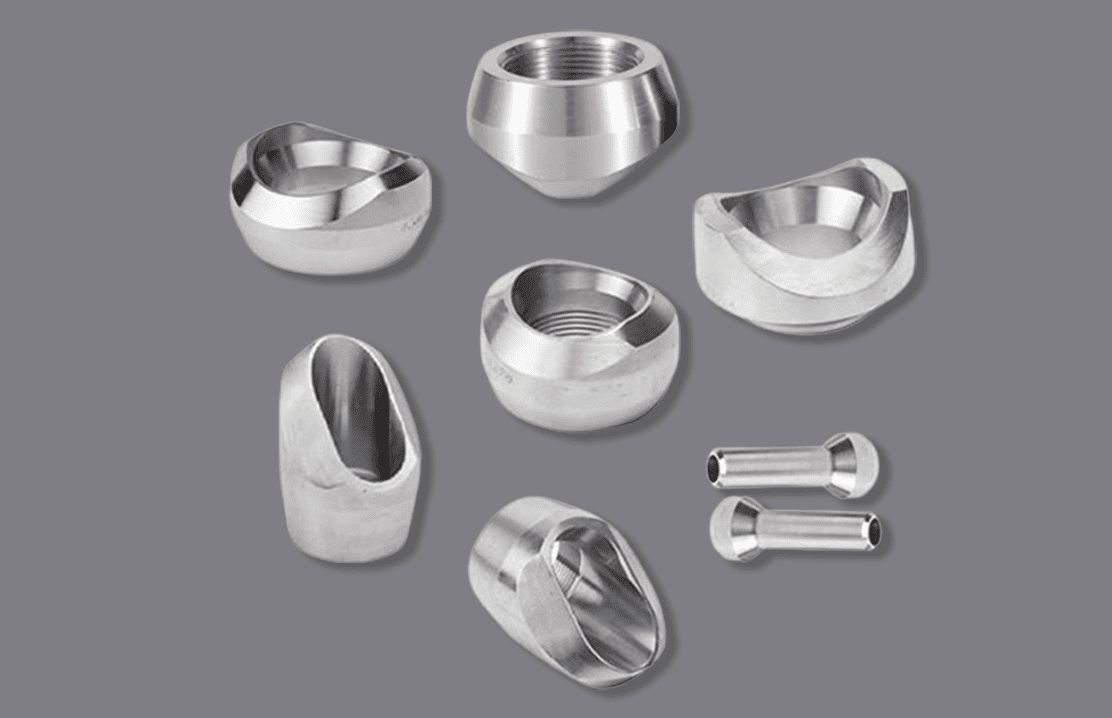
Manufacturers offer a wide range of Socket Weld Outlet types, including elbows (90-degree, 45-degree), tees (equal, reducing), crosses (equal, reducing), couplings (full, half), unions, caps, and more
Stainless steel, duplex, and super duplex Socket Weld outlets all offer varying degrees of corrosion resistance, making them suitable for a wide range of industrial applications. Duplex and super duplex grades excel in this area, providing exceptional resistance to pitting, crevice corrosion, and stress corrosion cracking – particularly important when dealing with harsh chemic
Refinery & Petrochemical : SS / Duplex & Super Duplex Socket Weld Outlets connect smaller-diameter process piping, handling corrosive chemicals in refineries and petrochemical plants.
Chemical : Ideal for piping systems in chemical plants, these outlets resist a wide range of aggressive chemicals, ensuring safe and reliable operation.
Oil & Gas : Found in pipelines and equipment, both onshore and offshore, they withstand saltwater and substances extracted from wells. Duplex and super duplex excel in harsh conditions.
Power Plant : Used in coastal power plants for seawater cooling systems and areas handling water treatment chemicals, prioritizing corrosion resistance.
Offshore Platforms : Essential for smaller process and utility lines on offshore platforms. Their superior corrosion resistance ensures long-term reliability in the harsh marine environment.
Ship Building : Found in various onboard systems like fuel, seawater, and ballast lines, offering corrosion resistance and secure socket-weld connections.
Industrial Machineries : Handle corrosive fluids in chemical processing, plating, and cleaning applications within industrial machinery.
Pharmaceuticals : Perfect for smaller diameter hygienic piping in pharmaceutical plants due to their corrosion resistance and ease of cleaning, ensuring purity standards.
Pumps & Compressor : Facilitate piping connections associated with pumps and compressors, particularly when handling corrosive fluids.
Dairy & Food : Used in hygienic piping for milk processing, food handling, and cleaning solutions, maintaining food safety standards with their corrosion resistance.
Sugar Mills : May be utilized in sugar mills where corrosive byproducts or liquids are present.
Textile Machineries : Handle the flow of dyes, bleaches, and other potentially corrosive chemicals within textile processing machinery.
Fertilizers & Pesticides : Essential in handling the highly corrosive substances found in fertilizer and pesticide production, minimizing the risk of leaks