Carbon Steel Unequal Tee
Home - Carbon Steel - Carbon Steel Forged Pipe Fittings - Carbon Steel Unequal Tee
Carbon Steel Unequal Tee
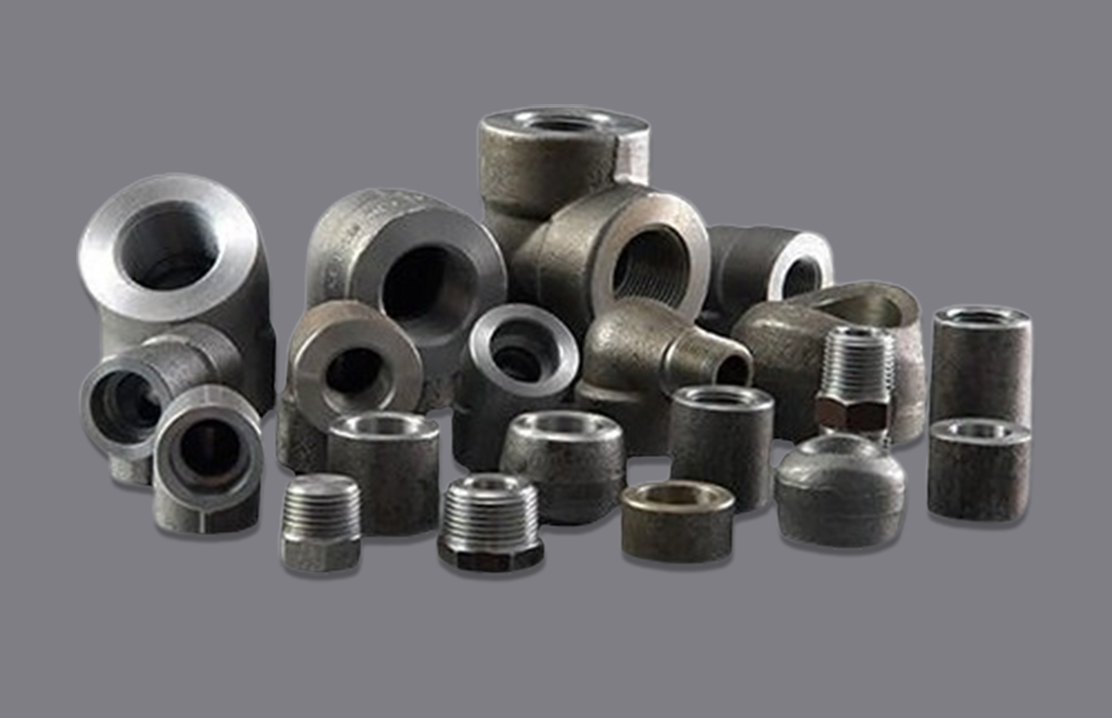
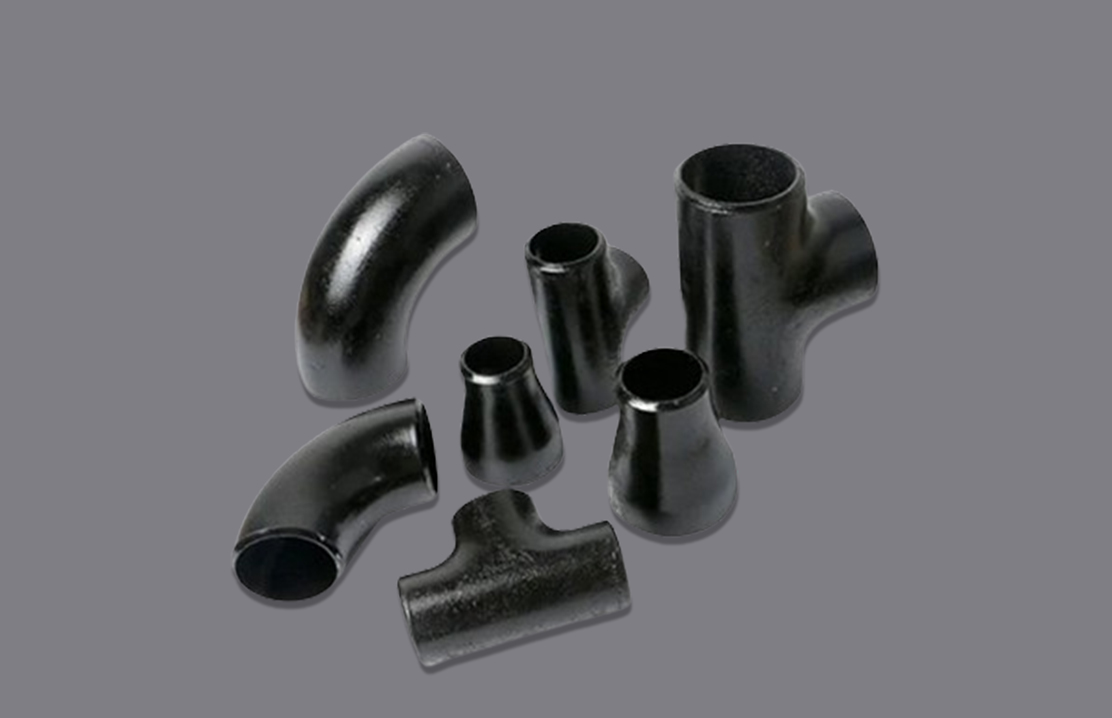
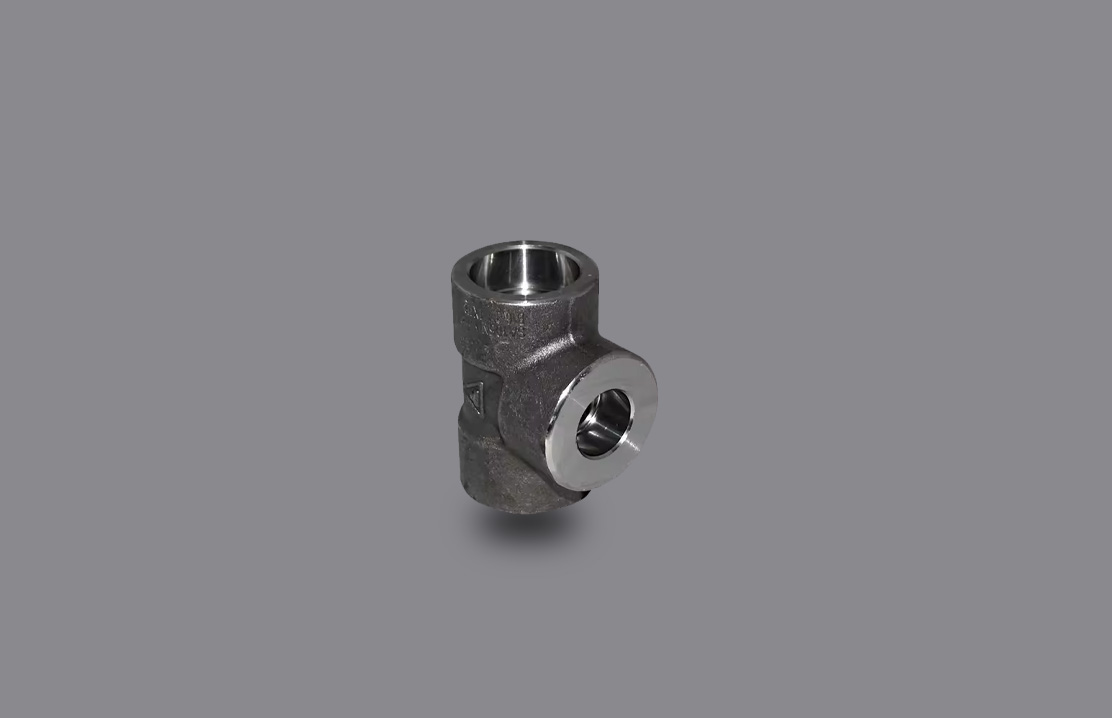
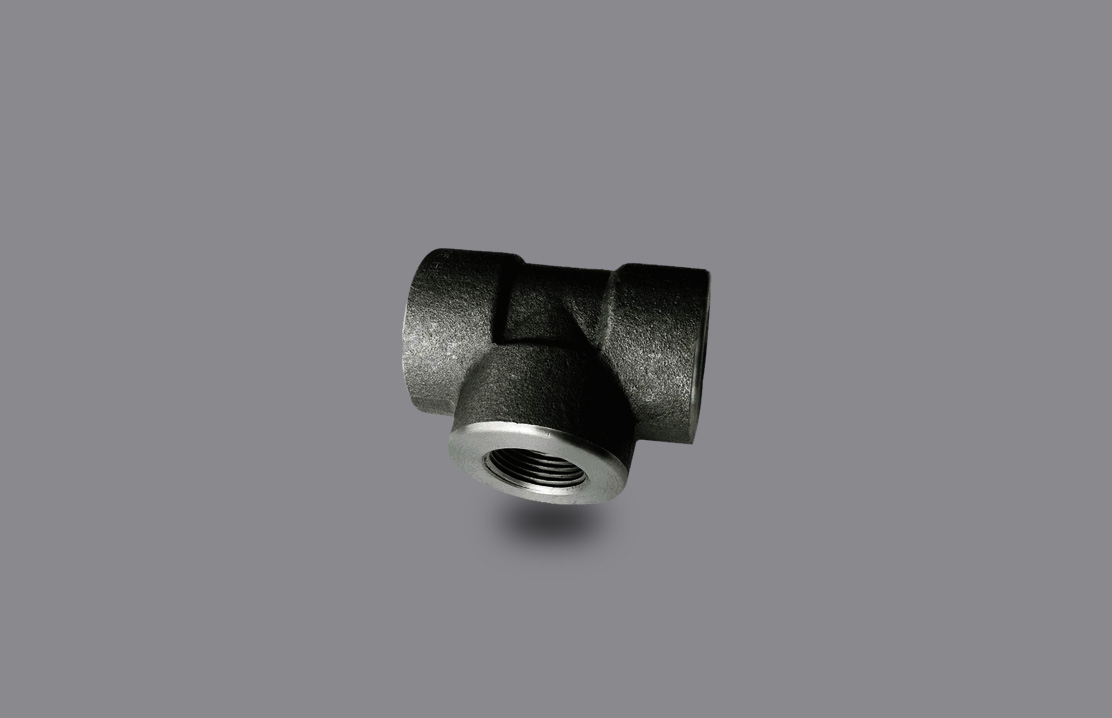
Simplify system transitions and optimize flows with EBY Fasteners’ Carbon Steel Unequal Tee. Our forged tee offers superior strength and leak-proof reliability for your piping systems where transitions between different pipe sizes are needed. They are meticulously manufactured to industry standards, ensuring seamless compatibility and predictable, long-lasting performance
Discover the perfect fit for your piping project within our extensive selection of Carbon Steel Unequal Tee. Choose from a wide range of sizes, pressure ratings, and carbon steel grades to find the exact configuration your system requires. Whether you’re reducing flows, integrating equipment, or creating auxiliary lines, EBY Fasteners has the solution to support your piping goals
Let our team of experts guide you through the selection of the optimal Carbon Steel Unequal Tee. We understand the intricacies of complex piping systems and the importance of using the right components. From compatibility considerations to pressure requirements, EBY Fasteners is your trusted partner
Let our team of experts guide you through the selection of the optimal Carbon Steel Unequal Tee. We understand the intricacies of complex piping systems and the importance of using the right components. From compatibility considerations to pressure requirements, EBY Fasteners is your trusted partner
- ASTM/ASME Standards :
- A105 : A widely used standard for forged carbon steel components, making it a reliable choice for general piping needs across various industries
- A350 LF2 : Designed for applications where temperatures drop significantly. This grade maintains its toughness and resistance to brittle failure even in harsh cold climates or when handling cryogenic fluids
- A53 & A106 (Grades A, B, C) : These standards are primarily focused on seamless pipes. Selecting the corresponding grade for the piping that will be connected to your tee ensures material compatibility and minimizes the risk of issues at the weld joints
- A691 : This standard addresses pipe specifically intended for pressure applications across a range of temperatures. Aligning your tee material with this standard can provide additional assurance of its suitability for your system's specific conditions
- API 5L Grades (B, X42, X46, etc.) : API standards are particularly important within the oil and gas industry. These grades denote increasing levels of minimum yield strength. As the number climbs (X42 to X70), the steel can handle higher internal pressures. This translates to either thinner walls for equivalent pressure ratings or the ability to use the tee in higher-pressure lines
- Importance of Grade Selection : Choosing the appropriate material and grade is paramount for the safe and reliable operation of your piping system. The tee must possess the mechanical properties to withstand the internal pressures it will experience, function within your system's operating temperature range, and offer compatibility with any corrosive elements present within the fluids it will carry
- Technology (ASME B16.11) : Adherence to this standard ensures dimensional accuracy, compatibility, and safe use within socket-weld piping systems. Socket-weld tee offers a secure leak-tight connection that's particularly well-suited for smaller diameter piping
- Size : The range from 1/8" to 4" NB (Nominal Bore) indicates that this tee is designed for smaller-scale piping installations. It's vital to match the tee's size precisely with the pipe diameter to achieve a strong, proper fitting
- Pressure Class : Options like 2000 LBS, 3000 LBS, etc., reflect the tee's pressure handling capabilities. Selecting the right pressure class is crucial to ensure the tee can safely withstand the maximum internal pressures it will experience in your system
- Form :
- Unequal Tee : This tee has branches of different diameters. This allows you to transition to a smaller-sized pipe off your main line, making it a versatile component for changing flow rates, integrating smaller diameter lines, or connecting equipment within a larger piping system
- Reducing Tee : This is a specialized form of unequal tee where the branch specifically serves to reduce the pipe size
- Unequal Branch Connection : The defining feature of an unequal tee is its ability to create branches of two different diameters. This allows for pipe size reduction, flow splitting, or integrating smaller lines into your main piping system
- Robust Forged Construction : The forging process creates a strong and homogeneous metal structure compared to tee made by other methods. This translates to enhanced strength, toughness, and reduced risk of leaks, ideal for demanding industrial applications
- Carbon Steel Composition : Offers a balance of strength, weldability, and affordability. Careful grade selection allows you to tailor the tee's properties to match your system's operating temperatures and the presence of any corrosive elementsv
- Dimensional Standardization : Adherence to standards like ASME B16.11 ensures compatibility across standardized piping systems. This simplifies installation and ensures proper alignment with other pipes and fittings
- Socket-Weld or Butt-Weld Options : Many unequal tees are available in either socket-weld or butt-weld configurations. Socket-weld tee excels in smaller diameter piping due to their ease of installation. Butt-weld tee allows for integration into larger, higher-pressure pipelines
- Pressure Handling Versatility : Offered in various pressure classes, forged unequal tee can accommodate a wide range of system pressures
- Refinery & Petrochemical : Refineries and petrochemical facilities rely on forged carbon steel unequal tee to manage flow within their complex piping systems. They're used for reducing line sizes to distribute refined products and for integrating smaller lines needed for sampling or connecting process instrumentation. Their strength is crucial for handling the pressures and potential chemicals within these environments
- Chemical : In chemical processing, forged carbon steel unequal tee play a vital role in connecting lines of varying sizes. They facilitate the controlled introduction of reactants into process streams and allow for the integration of pumps, valves, and other essential equipment. It's important to choose a grade compatible with the specific chemicals being handled
- Oil & Gas : The oil and gas industry utilizes forged carbon steel unequal tee for tasks ranging from flow management to equipment connections. They're found within gathering lines, reducing flows for distribution, and adapting pipelines to connect specialized processing or monitoring tools
- Power Plant : Within power generation facilities, forged carbon steel unequal tee is used in auxiliary water systems, branching off the main supply to meet specific process needs or for connecting monitoring devices. Their proven reliability is important in power plant environments
- Industrial Machineries : Forged carbon steel unequal tee is a common sight in the hydraulic, lubrication, and coolant systems of various industrial machines. They enable the splitting or precise reduction of fluid flows as they're delivered to different machine components or subsystems. Their robust forged construction makes them ideal for the demands of industrial equipment operation
Chemical Composition
| Element | Composition |
|---|---|
| Carbon | Up to 2.1 wt.% |
| Manganese | Less than 1.65 wt.% |
| Silicon | Less than 0.6 wt.% |
| Copper | Less than 0.6 wt.% |
| Chromium | Not exceeding 0.32% |
| Molybdenum | Not exceeding 0.32% |
Carbon Steel Forged Pipe Fittings
- Carbon Steel 45-degree Elbow
- Carbon Steel 90 degree & Reducing Elbows
- Carbon Steel Cross Tee
- Carbon Steel Equal Tee
- Carbon Steel Forged Cap
- Carbon Steel Forged Full, Half and Reducing Coupling
- Carbon Steel Forged Nipple
- Carbon Steel Forged Union
- Carbon Steel Plugs and Bushings
- Carbon Steel Reducing Insert Fitting
- Carbon Steel Swage Nipples
- Carbon Steel Unequal Tee