Skip links

Alloy Steel Stubends

Alloy Steel Stubends

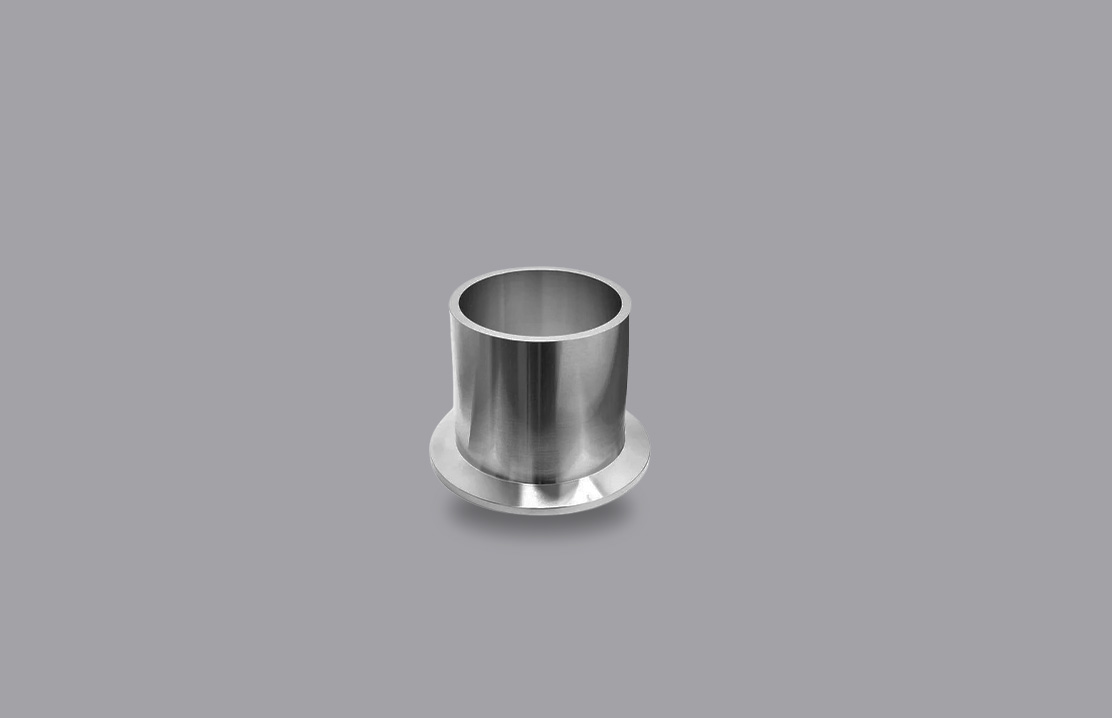
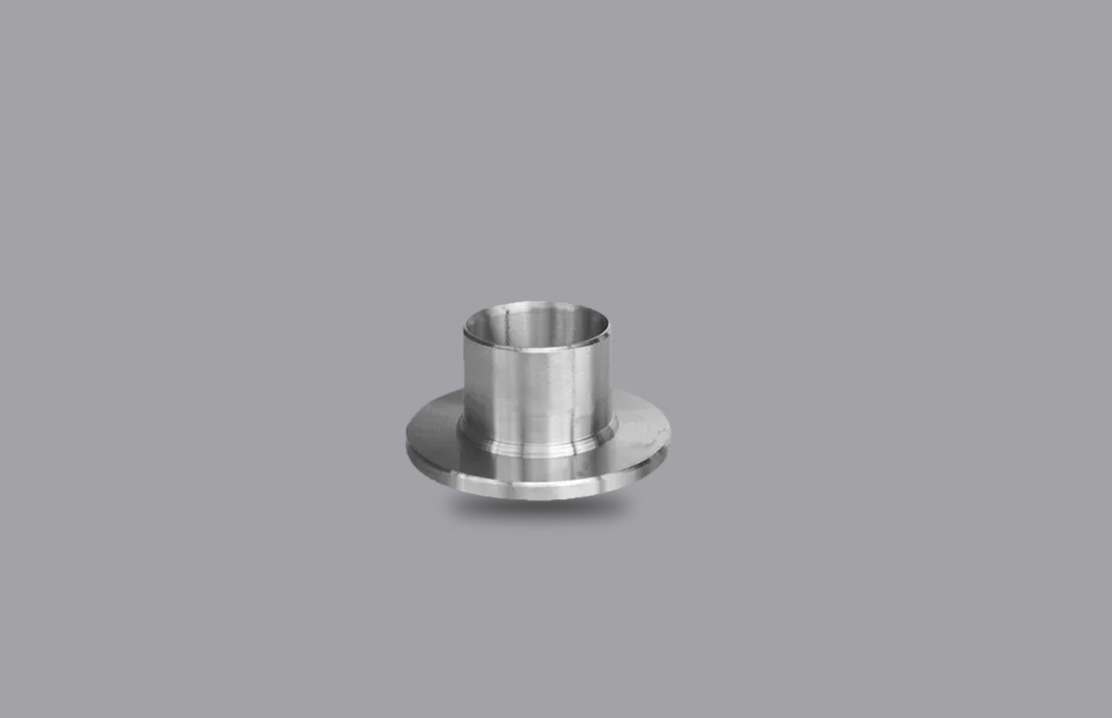
Alloy Steel Stubends, crafted by EBY Fasteners, are robust components used in piping systems. These stubends serve as connectors, allowing for smooth transitions between pipes of different diameters. EBY Fasteners, with over 45 years of experience, specializes in manufacturing high-quality forged fittings, flanges, and other special forgings. Their stubends exhibit exceptional strength, durability, and resistance to high temperatures and pressure
EBY’s Alloy Steel Stubends offers a robust solution for piping systems in harsh environments. Their rust-proof design ensures longevity and reliability, even when exposed to corrosive elements. Available in a variety of sizes ranging from ½” to 4”, these stubends easily adapt to diverse piping requirements. Additionally, their ability to withstand high temperatures and pressure makes them ideal for demanding applications where structural integrity is crucial
EBY Fasteners uses high-grade materials for the manufacturing of stubends. While specific alloy compositions may vary based on project specifications, these stubends typically include alloy steel elements such as carbon, chromium, nickel, and molybdenum
  • A/SA234 Grades :
    • WP1, WP5, WP9 : These grades of alloy steel stubends offer a balance of strength and affordability. They're ideal for moderate-temperature applications where some corrosion resistance is needed, such as steam lines or process piping.
    • WP11, WP22, WP91 : These grades step up the performance with increased chromium and molybdenum content. This translates to superior resistance to high temperatures and corrosive environments. They're found in critical components for power plants, refineries, and chemical processing facilities.
  • A/SA182 Grades :
    • F1, F5, F9 : These alloy steel grades in stubend form are all about strength and toughness. They're primarily used in high-pressure systems and applications where temperatures can fluctuate, especially in sub-zero environments.
    • F11, F22, F91 : These grades bring the heat – literally. With further refined compositions, they can withstand extremely high temperatures and pressures without losing their structural integrity. Think high-pressure steam in power generation or complex chemical processes with harsh conditions
  • Material : Chrome Moly (chromium-molybdenum) grades bring strength and resilience to alloy steel stubends. Grades like P1, P5, and P9 offer baseline affordability and moderate corrosion resistance, while P11, P22, and P91 boast superior high-temperature and anti-corrosion properties for demanding industrial applications.
  • Specification : Standards like A/SA234 and A/SA182 ensure consistent quality and performance in alloy steel stubends. WP grades (A/SA234) cover a range of temperature and pressure tolerances, with higher numbers indicating superior performance. F grades (A/SA182) generally indicate high strength and suitability for pressure systems and varying temperatures.
  • Type : The way a stubend is manufactured impacts its properties. Seamless stubends offer smooth flow and pressure integrity. Welded options allow for customization. Fabricated stubends are tailored to unique setups, while forged stubends boast maximum strength under extreme conditions.
  • Range : Alloy steel stubends cater to diverse piping systems. The ½”NB to 48″NB range indicates the nominal bore (diameter) and Sch 10s, 40s, 80s, 160s, XXS refer to wall thicknesses. Thicker schedules handle higher pressures.
  • Dimensions : Adherence to ANSI/ASME B16.9, B16.28, and MSS-SP-43 standards guarantees dimensional compatibility and accurate fit within piping systems, simplifying design and installation.
  • Key Takeaway : Selecting the right alloy steel stubend involves carefully considering the operating environment, pressure requirements, desired lifespan, and budget. A knowledgeable supplier can guide the decision based on your project's specific needs
  • Thermal Stability : Alloy steel stubends exhibit excellent thermal stability, making them suitable for high-temperature applications.
  • Long Functional Life : These stubends are designed for durability and extended service life, ensuring reliable performance over time.
  • High Mechanical Strength : Alloy steel stubends possess robust mechanical properties, allowing them to withstand pressure, stress, and mechanical loads.
  • Types of Stubends : Type A is used for standard lap joint flanges, with a lap thickness equal to or greater than the nominal pipe wall thickness. Type B is designed for standard slip-on flanges as lap flanges. Type C is customized stubends suitable for both lap joint and slip-on flanges. They have a flared edge at the inside diameter of the lap, with a smooth joint surface.
  • Common Lengths : The Long (ANSI) pattern is versatile and used in various applications. The Short Pattern (MSS) is typically offered for Schedule 5s and 10s stubends. For Schedule 40s stubends, you have the flexibility of choosing either short or long lengths, depending on your specific requirements.
  • Benefits : Firstly, they eliminate the need for perfectly flat or parallel cut faces, reducing preparation time and minimizing the potential for errors. Secondly, their ability to connect dissimilar materials, such as aluminum and copper, expands their application areas and allows for more flexibility in system design
  • Refinery & Petrochemical : Stubends are essential components in refineries and petrochemical plants. They reliably connect pipes that transport high-temperature fluids, corrosive chemicals, and fluids under varying pressures.
  • Chemical Industry : The chemical processing industry relies on stubends for connecting pipes carrying a wide range of chemicals. Their material compatibility and ease of installation make them valuable for maintenance and repairs in environments where chemical reactions are common.
  • Oil & Gas Sector : Stubends are indispensable in oil and gas pipelines, both onshore and offshore. They connect pipes in drilling rigs, production platforms, refineries, and distribution networks.
  • Power Plants : Power generation facilities utilize stubends to connect pipes in various systems, including boilers and turbines that handle steam, water, and other fluids.
  • Offshore Platforms : In the harsh conditions of offshore oil rigs, stubends connect pipes involved in drilling, production, and transportation processes. They are specifically designed to withstand the challenges posed by the marine environment.
  • Shipbuilding : Stubends play a vital role in shipbuilding, ensuring reliable fluid flow in various shipboard systems like fuel lines, water systems, and hydraulic circuits.
  • Industrial Machinery : Stubends find use in industrial machinery where they connect pipes within hydraulic circuits, cooling systems, and other integral components.
  • Pharmaceuticals : The pharmaceutical manufacturing industry relies on stubends for connecting pipes that transport liquids and gases while adhering to strict hygiene and safety standards.
  • Pumps & Compressors : Stubends seamlessly connect pipes to pumps and compressors, enabling them to handle fluid flow and pressure fluctuations effectively.
  • Dairy & Food Industry : Stubends find use in dairy processing plants, connecting pipes that transport milk, cream, and other dairy products.
  • Sugar Mills : In sugar mills, stubends connect pipes that carry sugar cane juice, withstanding its abrasive nature.
  • Textile Machinery : Stubends are used in textile factories to connect pipes in various processes such as dyeing, washing, and finishing, handling diverse chemicals and temperature ranges.
  • Fertilizers & Pesticides : The production of fertilizers and pesticides involves stubends for connecting pipes used in chemical mixing and distribution processes

Chemical Composition

ElementPercentage
Carbon (C)Upto 0.30%
Manganese (Mn)0.29-1.06%
Phosphorus (P)Upto 0.05%
Sulfur (S)Upto 0.05%
Silicon (Si) 0.10-0.60%
Chromium (Cr)0.40-1.06%
Molybdenum (Mo)0.15-0.50%
Nickel (Ni)0.40-0.70%
Copper (Cu)Upto 0.40%

Alloy Steel Seamless Buttweld Fittings

Alloy Steel Material

Alloy Steel Branch Outlets

Alloy Steel Flanges

Alloy Steel Forged Pipe Fittings

Alloy Steel Seamless Buttweld Fittings