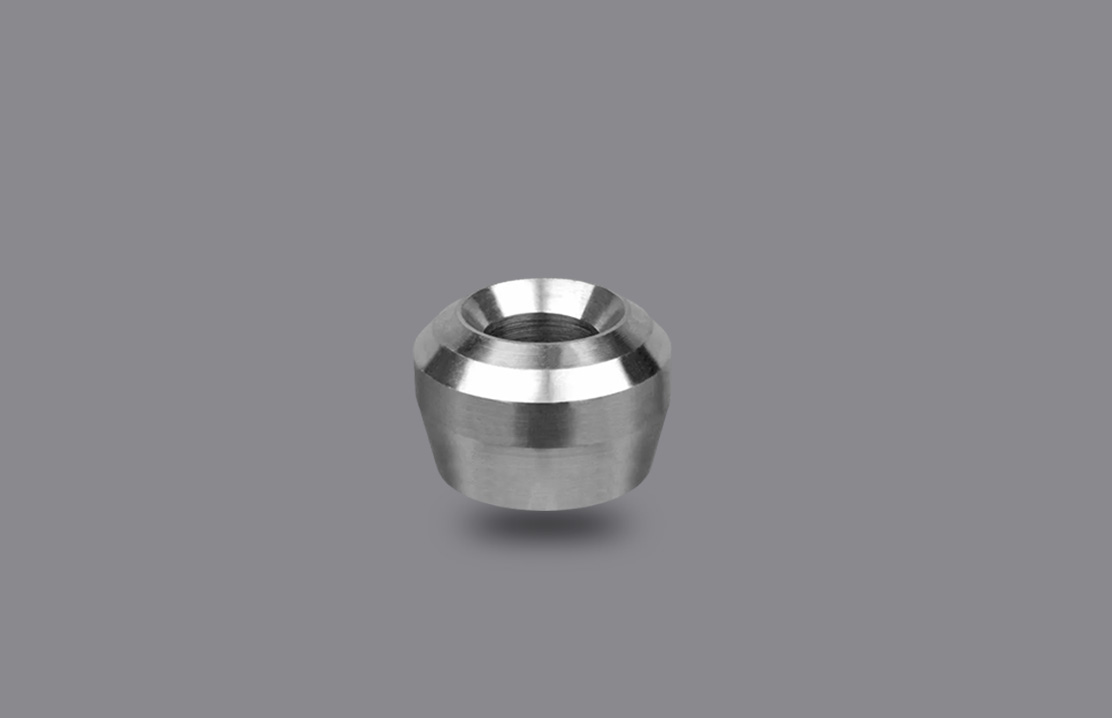
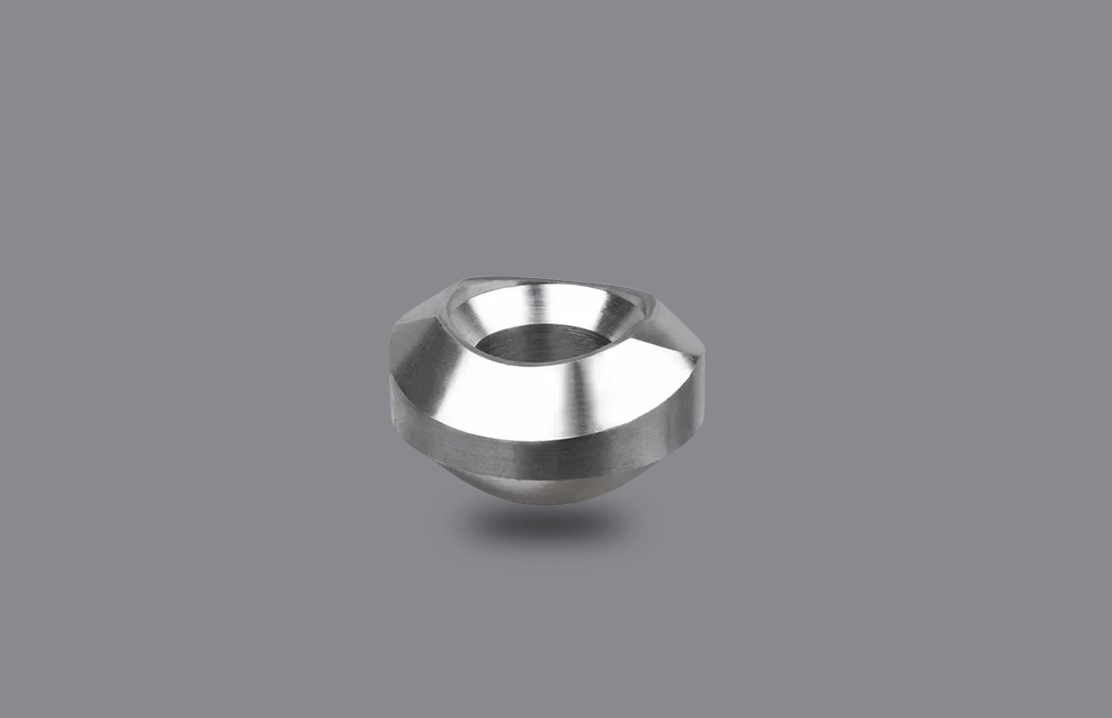
Take your piping performance to the next level with the strength and reliability of EBY Fasteners’ Alloy Steel Buttwelding Outlets. Designed for high-pressure, high-temperature, or potentially corrosive process lines, they offer the durability and resilience you need. Choose from a comprehensive selection of alloy grades, sizes, and wall thicknesses to find the ideal fit for your system’s requirements
EBY Fasteners is your source for Alloy Steel Buttwelding Outlets manufactured to surpass industry standards. Meticulous adherence to specifications ensures compatibility, dimensional precision, and consistent quality. Rely on our outlets for their secure connections, leak-free performance, and the long-term reliability your applications demand
Whether you’re operating a refinery, chemical plant, offshore platform, or facing other industrial demands, EBY Fasteners’ Alloy Steel Buttwelding Outlets deliver. Experience the difference of superior materials, robust construction, and a commitment to long-lasting performance. Contact us today to enhance your piping systems and keep your operations running smoothly
Whether you’re operating a refinery, chemical plant, offshore platform, or facing other industrial demands, EBY Fasteners’ Alloy Steel Buttwelding Outlets deliver. Experience the difference of superior materials, robust construction, and a commitment to long-lasting performance. Contact us today to enhance your piping systems and keep your operations running smoothly
Outlet Type:
Buttwelding Outlet : This type of outlet is designed to be directly welded to a compatible pipe, creating a permanent, strong, and leak-tight joint. Buttweld connections are often preferred for demanding applications, such as those involving high pressures, high temperatures, or critical process lines where reliability is paramount.
Grade:
ASTM A234 WP1, WP5, WP9, etc. : This ASTM standard covers wrought carbon and alloy steel pipe fittings designed for pressure applications. Each grade (WP1, WP5, etc.) offers a unique combination of properties:
WP1, WP5 : These grades prioritize strength and toughness for general high-pressure or moderate high-temperature service.
WP11, WP12, WP22 : These grades offer increased chromium and molybdenum content, enhancing creep resistance (resistance to deformation at high temperatures and stress) for more demanding applications.
WP23, WP91 : These grades provide even further enhanced creep resistance, making them ideal for severe high-temperature service.
The Importance of This Combination :
High-Pressure Resilience : Buttweld connections inherently can withstand higher pressures than some other connection types. Alloy steel, with its superior strength compared to basic carbon steel, provides the necessary material properties for these demanding applications.
High-Temperature Performance : Specific alloy steel grades (WP11, WP22, WP91) are formulated to retain strength and resist degradation even at elevated process temperatures. Butt welded outlets made from these alloys are ideal for hot process lines
Seamless Integration : Selecting a buttwelded outlet with an alloy steel grade that matches your pipe material ensures consistent properties across the entire section of the line, minimizing potential for weak points or corrosion concerns
Material :
Alloy Steel: Unlike basic carbon steel, alloy steels incorporate carefully selected elements like chromium, molybdenum, and others. These additions significantly enhance strength, toughness, temperature resistance, and may offer specialized corrosion resistance for specific environments or fluids.
Standard : ASME B16.9:
This standard provides detailed guidelines for the dimensions, tolerances, markings, and other requirements for factory-made wrought buttwelding fittings. Adherence to standards ensures quality, consistency, and compatibility across different manufacturers or batches of fittings.
Type- Butt Welding :
Indicates these outlets are designed to be directly welded to a pipe, creating a strong, permanent, and leak-tight joint. Buttweld connections are often favored for high-pressure or demanding applications where integrity is crucial.
Size Range :
The wide size range (1/2" to 72") means these outlets are available in a variety of standard pipe sizes. It's essential to match the outlet's size precisely to the pipe for a proper fit and secure connection.
Wall Thickness (SCH 40, SCH 80, etc.) :
These schedules represent standardized pipe and fitting wall thicknesses. The schedule dictates the outlet's strength and pressure handling capabilities. Select a schedule that aligns with, or exceeds, the maximum pressures your system will experience to ensure safety and prevent failures.
End Type : Beveled or Plain:
Beveled ends facilitate a strong and reliable weld joint with the pipe. The bevel angle must match the pipe preparation and welding process you'll be using. Plain ends might be used with specialized welding methods or where additional machining is required prior to welding
Enhanced Performance : Constructed from carefully selected alloy steels, these outlets offer superior strength, toughness, high-temperature resistance, and often enhanced corrosion resistance compared to basic carbon steel versions. This makes them ideal for demanding applications or harsh environments.
90-degree Branch : The angled outlet design allows you to change the direction of flow within your piping system smoothly and efficiently. This is essential for creating complex piping networks or navigating around obstacles.
Connection Versatility : Availability in socket weld (SW), butt weld (BW), and threaded (SCRD) connections provides flexibility to integrate the elbow seamlessly into your piping system, using the most appropriate method.
Pressure Handling : Manufactured to handle various pressure classes, these outlets can be matched to the specific pressure demands of your system, ensuring safe and reliable operation.
Robust Construction : Alloy steel provides excellent durability and resilience, making these elbows well-suited for industrial settings where they might be exposed to challenging conditions or potentially corrosive fluids.
Standards Compliance : Adherence to industry standards (MSS SP-97, ASME B16.11, etc.) guarantees compatibility, ensures predictable dimensional tolerances for easy installation, and provides peace of mind regarding the quality and performance of the outlet.
Dimensional Precision : These outlets are manufactured with careful attention to detail, ensuring accurate dimensions and a consistent fit within your piping system. This simplifies the installation process and minimizes the risk of leaks
Refinery & Petrochemical : Alloy steel buttwelding outlets are indispensable within refineries and petrochemical plants. They are essential for constructing process piping networks that can handle the high pressures, high temperatures, and potentially corrosive chemicals involved in these complex operations. The permanent connections and superior properties of alloy steel ensure reliable, leak-free operation, safeguarding these critical processes.
Chemical : The chemical processing industry relies on alloy steel buttwelding outlets to build secure and reliable process piping systems. These outlets provide robust connections that can withstand the pressures and potentially harsh chemical environments involved in process lines. When handling particularly corrosive substances, selecting outlets with the appropriate alloy grades ensures piping system integrity, minimizing downtime and maintenance costs.
Oil & Gas : From pipelines and gathering lines to complex processing facilities, alloy steel buttwelding outlets are a vital part of the oil and gas industry. They are used extensively where high pressures, harsh environmental conditions, or the potential for corrosive well fluids demand components capable of reliable performance. The robust connections created by butt welds and the strength of alloy steel ensure safe and efficient transport and processing of oil and gas resources.
Power Plant : Within power plants, alloy steel buttwelding outlets are essential for high-pressure steam systems and other critical process lines. They are chosen for their ability to handle the combined stresses of pressure and temperature, ensuring safe and reliable operation. Alloy steel outlets may also be found in areas of the plant where corrosive fluids require a more durable piping solution than carbon steel could provide.
Offshore Platforms : The harsh marine environment of offshore platforms requires robust components for process piping systems. Alloy steel buttwelding outlets offer enhanced corrosion resistance, making them essential for maintaining reliable and leak-free piping connections despite constant exposure to saltwater. They are used extensively on these structures to ensure the integrity of process lines and minimize the risks and downtime associated with leaks