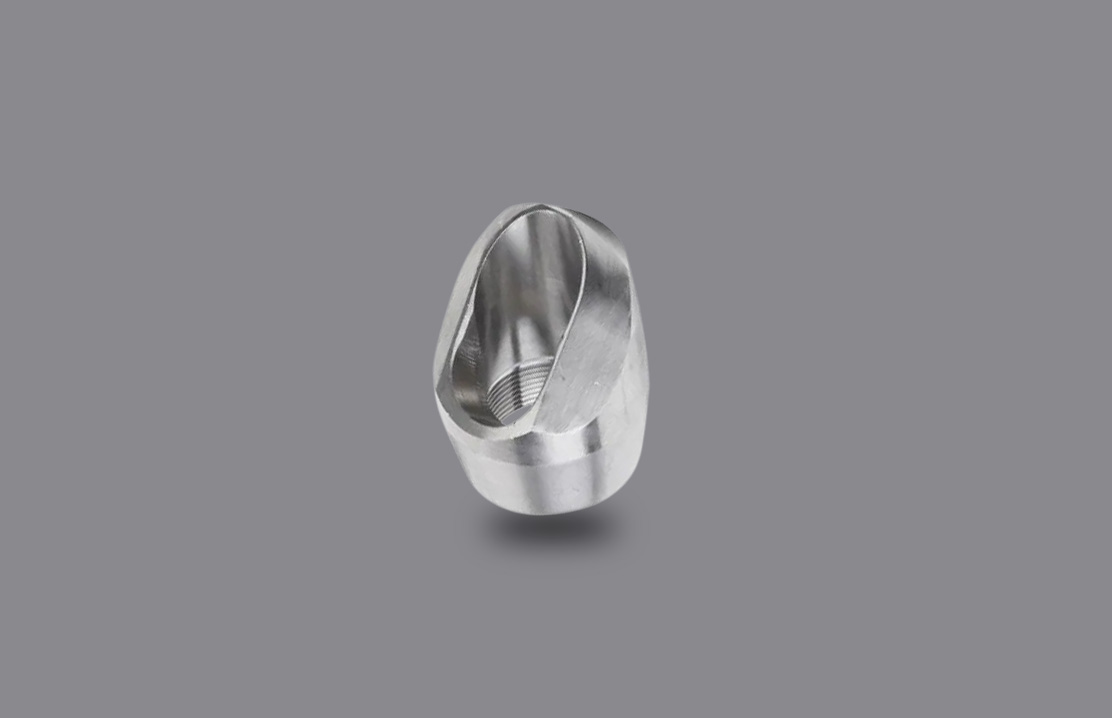
- Materials :
Alloy Steel: Unlike carbon steel, which relies primarily on carbon for its properties, alloy steels contain additional elements strategically chosen for their effects. These elements can include chromium, molybdenum, nickel, vanadium, and others. Alloy steels are designed for enhanced strength, toughness, corrosion resistance, or high-temperature performance compared to plain carbon steel.
- Grades :
- ASTM / ASME A/SA 182 : This standard covers forged or rolled alloy steel pipe flanges, fittings, valves, and other parts for high-temperature or high-pressure service.
- F1, F5, F9, F11, F22, F91 : These specific grades within the ASTM standard each have a unique chemical composition and mechanical properties. They offer increasing levels of strength and creep resistance (resistance to deformation under high temperature and stress) as you progress from F1 to F91. Grade selection is crucial to meeting the demands of the application.
- Component Type :
- 45-degree LATERAL OUTLET : A lateral outlet is a type of fitting that creates a branch connection off the side of a main pipe at a 45-degree angle. This specific configuration provides a smooth transition and optimizes flow characteristics within the piping system.
- SW, BW, SCRD : These likely refer to the connection methods:
- SW: Socket Weld (fitting slides over the pipe)
- BW: Butt Weld (fitting is welded directly to the pipe end)
- SCRD: Screwed (fitting has threads)
Understanding these details is essential for selecting the right alloy steel lateral outlet. It ensures compatibility with your system, proper fit, the ability to withstand operating conditions, and the correct type of connection for installation and reliability
- Specification : These parameters define the essential characteristics of the outlet, ensuring compatibility with your project requirements and seamless integration within your existing piping system.
- Types :
- SW (Socket Weld) : The outlet is designed to slide over the pipe and then be secured with a weld, ideal for smaller diameter lines.
- BW (Butt Weld) : The outlet is welded directly to the pipe end, providing a strong, permanent connection often preferred for high-pressure lines.
- SCRD (Screwed) : The outlet possesses threads, allowing it to be screwed onto a mating threaded pipe, offering ease of installation or potential for disassembly.
- Size :
The indicated size range (1/2"NB TO 24"NB) means these outlets are manufactured in standard pipe sizes (Nominal Bore) to accommodate a wide variety of piping systems. It's essential to match the outlet's size precisely to the pipe for a leak-free connection.
- Class :
Classes like 3000 LBS, 6000 LBS, 9000 LBS, designate the pressure rating of the outlet. The higher the class, the higher the pressure the outlet can safely withstand. Selecting a class that exceeds the highest pressures your system will experience is crucial to prevent leaks or failures.
- Standard :
ASME 16.11, MSS SP-79, 83, 95, 97, BS 3799: These standards provide detailed guidelines and specifications for the dimensions, tolerances, materials, and testing of the lateral outlets. Adherence to standards ensures consistency and compatibility between outlets from different manufacturers and guarantees a predictable fit within your system.
- Form :
45-degree Lateral Outlet: This defines the specific shape of the fitting. A 45-degree lateral outlet creates a smooth, angled branch off the main pipe, optimizing flow characteristics and minimizing turbulence
- Enhanced Performance : Constructed from alloy steels, these outlets offer superior strength, toughness, and high-temperature capabilities compared to basic carbon steel versions. This makes them ideal for demanding applications or harsh environments.
- 45-degree Branch : The angled outlet design promotes smooth transitions and minimizes flow disruption within your piping system. This is advantageous for maintaining pressure and optimizing system efficiency.
- Connection Versatility : Availability in socket weld (SW), butt weld (BW), and threaded (SCRD) connections provides flexibility to integrate the outlet seamlessly into your piping system, using the most appropriate method.
- Pressure Handling : With various pressure classes (3000 LBS, 6000 LBS, 9000 LBS), these outlets can be matched to the specific pressure demands of your system, ensuring safe and reliable operation.
- Robust Construction : Alloy steel provides excellent durability and resistance to wear, making these outlets well-suited for industrial settings where they might be exposed to challenging conditions or potentially corrosive fluids.
- Standards Compliance : Adherence to industry standards (ASME, MSS, BS, etc.) guarantees compatibility, ensures predictable dimensional tolerances for easy installation, and provides peace of mind regarding the quality and performance of the outlet
- Refinery & Petrochemical : Alloy steel lateral outlets are indispensable within refineries and petrochemical plants. They are used extensively in high-pressure process lines where strength and durability are paramount. Their resistance to corrosion makes them suitable for handling potentially aggressive chemicals. Additionally, for specialized applications involving high temperatures or cryogenic conditions, alloy steels with tailored compositions ensure reliable performance.
- Chemical : In the chemical processing industry, alloy steel lateral outlets are essential for creating branches or offshoots within process lines, enabling the controlled delivery of chemicals, sampling, or integration of instrumentation. When processes involve elevated temperatures, alloy steel outlets provide the necessary strength to maintain system integrity. For applications where corrosive chemicals are present, specific alloy compositions can be selected to maximize the outlet's lifespan.
- Oil & Gas : The oil and gas industry utilizes alloy steel lateral outlets in specialized pipeline sections where factors like high pressure, harsh environmental conditions, or potentially corrosive fluids demand superior performance. Within processing and refining facilities, alloy steel outlets are used for creating process line branches, integrating equipment, and taking advantage of their enhanced wear resistance in demanding applications.
- Power Plant : In power generation facilities, alloy steel lateral outlets find applications within high-pressure steam systems, offering superior strength compared to carbon steel for branching into smaller lines. They might also be integrated into feedwater systems where a combination of elevated temperature and pressure requires the added performance of an alloy steel component.
- Offshore Platforms : The harsh marine environment of offshore platforms demands durable components. Alloy steel lateral outlets, with their resistance to corrosion from saltwater, are vital for creating branches within the pipelines of these platforms. They ensure reliable distribution of fluids for various processes, while offering an extended lifespan despite the challenging conditions