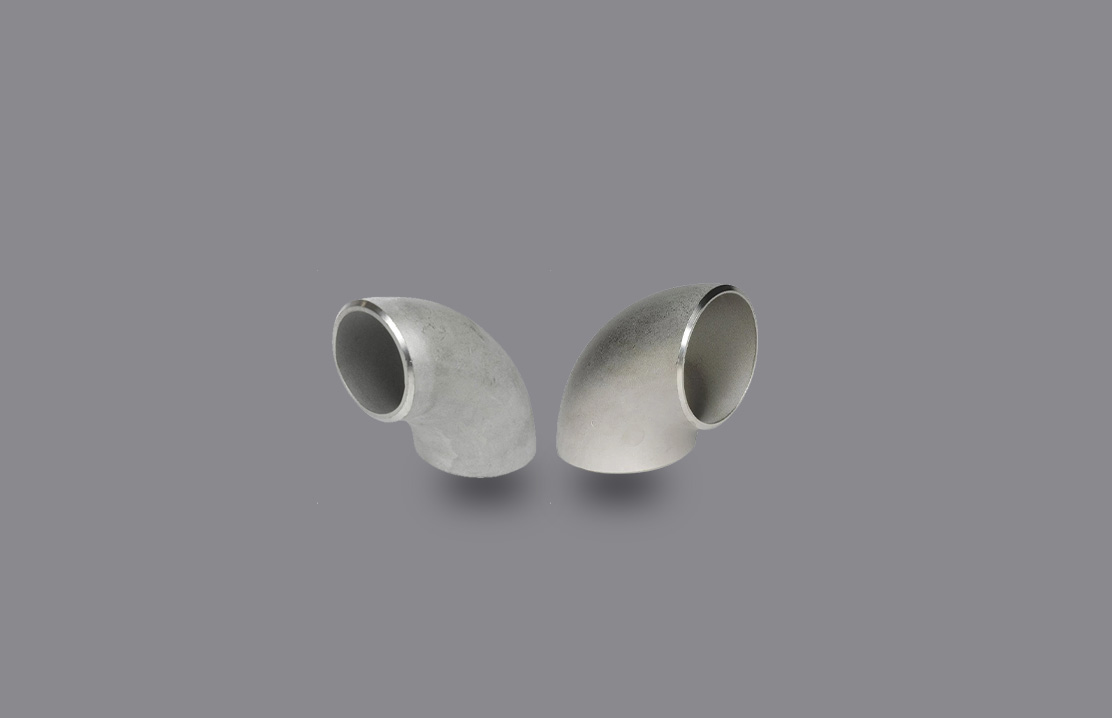
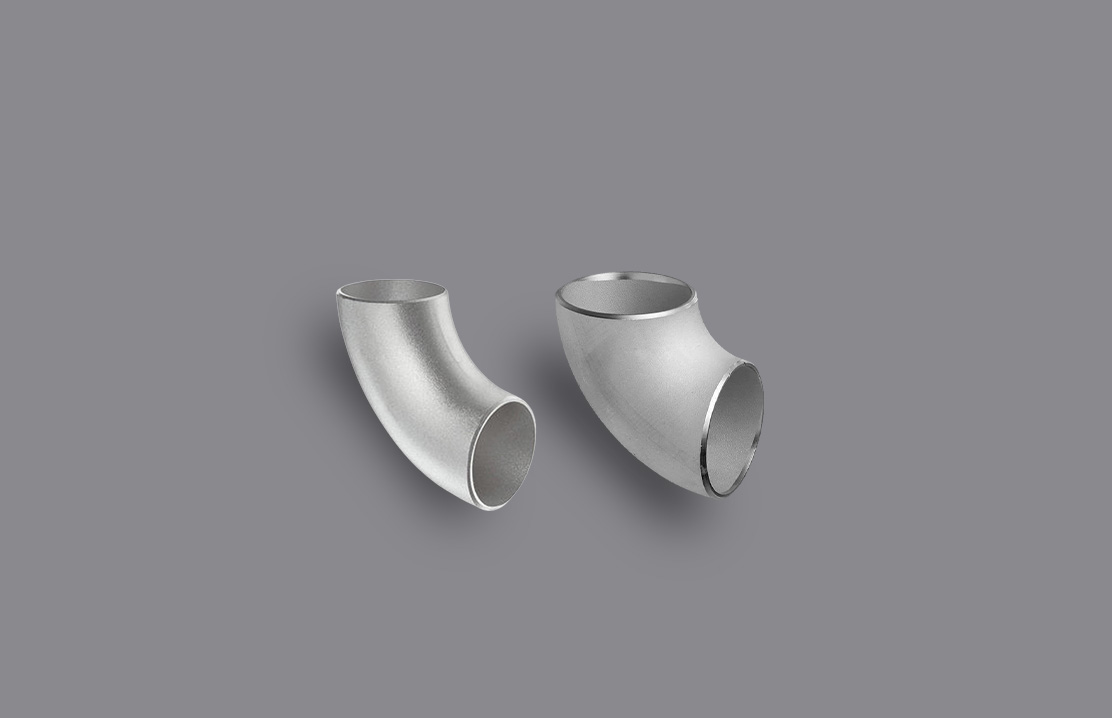
Alloy Steel 45 - 90 DEGREE ELBOW, LR/SR
Home - Alloy Steel - Alloy Steel Seamless Buttweld Fittings - Alloy Steel 45 - 90 DEGREE ELBOW, LR/SR
Alloy Steel 45 - 90 DEGREE ELBOW, LR/SR
When navigating the complexities of piping systems, EBY Fasteners offers a key solution: Alloy Steel Elbows. These essential fittings facilitate smooth directional changes in piping, ensuring efficient and reliable flow. Available in both 45-degree and 90-degree angles, their robust alloy steel construction provides a superior level of durability and strength compared to standard carbon steel options
EBY Fasteners provides both long radius (LR) and short radius (SR) varieties within their elbow range. Long radius elbows offer a more gradual curve, making them ideal for applications with high flow rates or where minimizing pressure loss is essential. Short radius elbows, on the other hand, feature a sharper bend, allowing for compact installations in areas where space is limited


EBY Fasteners’ Alloy Steel Elbows provide the quality and versatility you need. Their commitment to industry standards and stringent quality control measures ensures a reliable and long-lasting solution for your piping needs


EBY Fasteners’ Alloy Steel Elbows provide the quality and versatility you need. Their commitment to industry standards and stringent quality control measures ensures a reliable and long-lasting solution for your piping needs
- ASTM A182 : This specification is the backbone for forged alloy and stainless steel fittings designed for high-pressure/temperature piping. "F" grades (F1, F5, F9, etc...) indicate increasing strength and heat resistance. Lower grades are suitable for general high-temp use, while the highest grades (F22, F91) are meant for extreme environments.
- ASTM A234 : This spec focuses on fittings made from seamless or welded pipe. WP grades parallel their ASTM A182 counterparts. So, a WP11 elbow can handle the same temperatures as an F11 elbow. However, forged fittings (A182) often have some strength advantages, making them more common for elbows.
- Choosing the Right Grade : The best grade isn't just about the highest temperature. Think about the specific environment. Corrosive fluids demand higher chromium content (even at a lower temperature), while a non-corrosive steam system might solely focus on extreme heat tolerance
- Standards They Meet : Alloy steel elbows are manufactured to meet recognized standards like ASTM A234, ASTM A182, MSS SP-43, or BS 1640/1985. These standards ensure quality, dimensional accuracy, and compatibility with other piping components.
- The Right Material : Choosing the ideal alloy steel is key! Common grades come from ASTM A234 and A182, each offering different strengths, temperature tolerance, and corrosion resistance. For less demanding applications, carbon steel may suffice. For maximum corrosion protection, opt for stainless steel like ASTM A182 F304/L or F316/L.
- Sizing & Geometry : Elbows are specified by Nominal Pipe Size (NPS) to match your piping system. Choose between 45-degree or 90-degree bends, as well as Long Radius (LR) or Short Radius (SR) for optimal flow and space considerations. Wall thickness (Schedule) determines the pressure the elbow can withstand.
- Pressure Handling : The material, schedule (wall thickness), and whether it's an LR or SR elbow all impact the pressure rating. Expect to see ratings like 3000 PSI, 6000 PSI, or 9000 PSI for common applications.
- Other Factors : Most elbows have beveled ends for butt-welding, but you may find threaded or socket-weld versions. Seamless elbows generally handle slightly higher pressure than welded ones. Manufacturers may offer customization and must meet testing standards specific to your project
- Directional Change : Their fundamental purpose – smoothly changing the direction of flow within piping systems. This ensures efficient movement of fluids or gasses.
- Temperature & Pressure Tolerance : Alloy steel construction gives them the strength to withstand high temperatures and pressures. This makes them ideal for a wide range of demanding industrial applications.
- Corrosion Resistance : Specific alloy grades provide enhanced corrosion resistance, making them suitable for handling various liquids, gases, and chemicals.
- Customization potential : Available in different sizes, angles (45 & 90 degrees), bend radii (LR & SR), materials, and finishes to meet diverse piping needs and specifications.
- Standards Compliance : Manufactured to adhere to industry standards (ASTM, MSS SP, etc.), ensuring compatibility with existing piping systems and a reliable level of quality.
- Durability : Alloy steels offer excellent strength, wear resistance, and resilience to fatigue. This translates to a long service life even in challenging operating environments
- Refinery & Petrochemical : Alloy steel elbows are vital in refineries and petrochemical plants, handling everything from crude oil to refined products within complex piping networks. Specific alloy grades are chosen to resist the corrosive fluids and high temperatures often present.
- Chemical : Where harsh chemicals are involved, alloy steel elbows are crucial due to their corrosion resistance. They also play a key role in high-temperature steam lines within chemical plants.
- Oil & Gas : Alloy steel elbows are found throughout the oil and gas sector, from pipelines transporting crude oil and gas to complex piping systems within refineries. Their resistance to corrosion from produced fluids is essential.
- Power Plant : Alloy steel elbows are used extensively in power plant steam lines, where extreme pressure and temperature resistance are key. They are also found in water treatment and cooling systems.
- Offshore Platforms : The marine environment demands alloy steel elbows for their corrosion resistance. They are used in piping systems handling oil, gas, and process fluids, with short radius elbows often employed for space efficiency.
- Ship Building : In marine systems, alloy steel elbows provide strength and resist seawater corrosion. You'll find them in engine rooms (fuel, lubrication, cooling), and ballast systems.
- Industrial Machineries : Alloy steel elbows handle high pressures in hydraulic power systems and ensure reliable delivery of lubricants within various industrial machines.
- Pharmaceuticals, Dairy & Food, Sugar Mills : Stainless steel alloy elbows are mandatory for maintaining sanitary process piping in these industries. They resist corrosion and prevent product contamination.
- Pumps & Compressors : Alloy steel elbows are used at the inlet and outlet of pumps and compressors, handling high pressures and potentially corrosive fluids found within these systems.
- Textile Machineries : In textile manufacturing, alloy steel elbows are found in steam systems for heating and drying, as well as in water and dye distribution lines.
- Fertilizers & Pesticides : Alloy steel elbows withstand the harsh chemicals found in fertilizer and pesticide production and transportation pipelines, ensuring product integrity
Chemical Composition
| Element | Composition |
|---|---|
| Carbon © | 0.30 max |
| Manganese (Mn) | 0.29 - 1.06 |
| Phosphorus (P) | 0.05 max |
| Sulfur (S) | 0.058 max |
| Silicon (Si) | 0.10 min |
| Chromium (Cr) | 0.40 max |
| Molybdenum (Mo) | 0.15 max |
| Nickel (Ni) | 0.40 max |
| Copper (Cu) | 0.40 max |
| Vanadium (V) | 0.08 max |
| Columbium (Cb) | 0.02 max |
| Titanium (Ti) | 0.01 max |
| Aluminum (Al) | 0.02 max |
