SS / Duplex & Super Duplex Caps Ellipsoidal
Home - SS / duplex & super duplex - SS / duplex & super duplex Seamless Buttweld Fittings - SS / Duplex & Super Duplex Caps Ellipsoidal
SS / Duplex and Super Duplex Caps Ellipsoidal
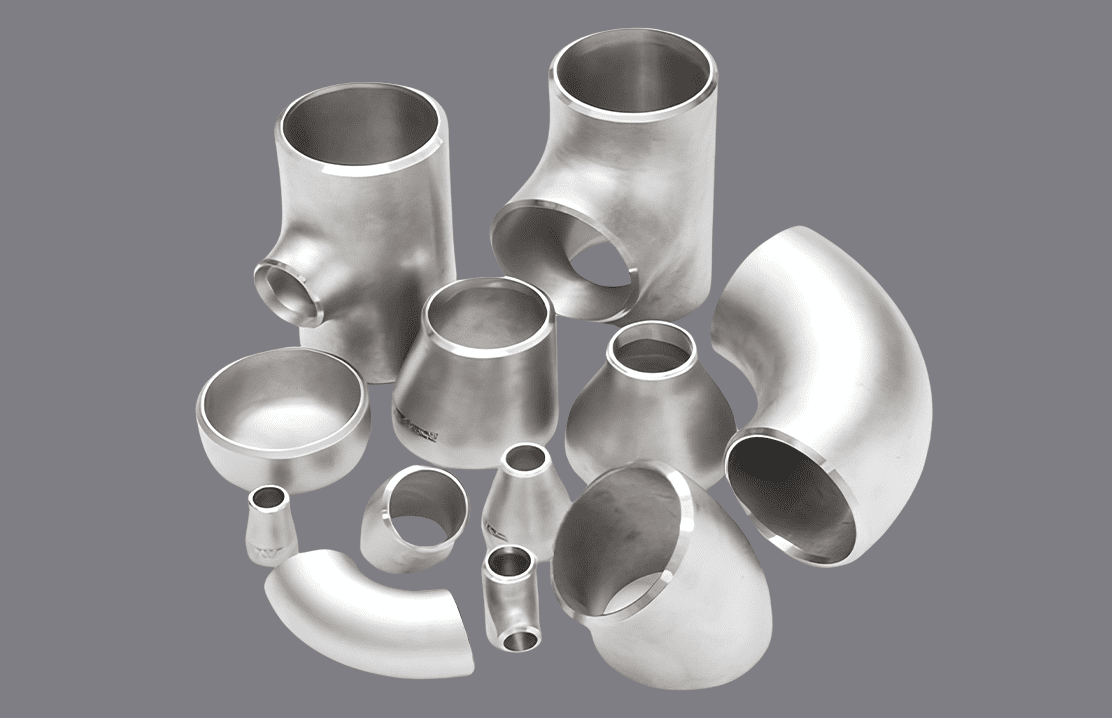
EBY Fasteners offers premium-quality SS / Duplex and Super Duplex Caps Ellipsoidal for a wide variety of industrial piping applications. These caps are manufactured from high-grade stainless steel alloys, ensuring exceptional durability and resilience in even the most demanding environments. Their ellipsoidal shape provides a smooth, streamlined end closure for pipes and tubing
Duplex and Super Duplex stainless steels offer superior corrosion resistance compared to standard stainless steel grades. This makes them ideal for use in industries where exposure to harsh chemicals, saltwater, or extreme temperatures is a concern. These caps provide excellent resistance to pitting, crevice corrosion, and stress corrosion cracking, ensuring long-term integrity in challenging piping systems

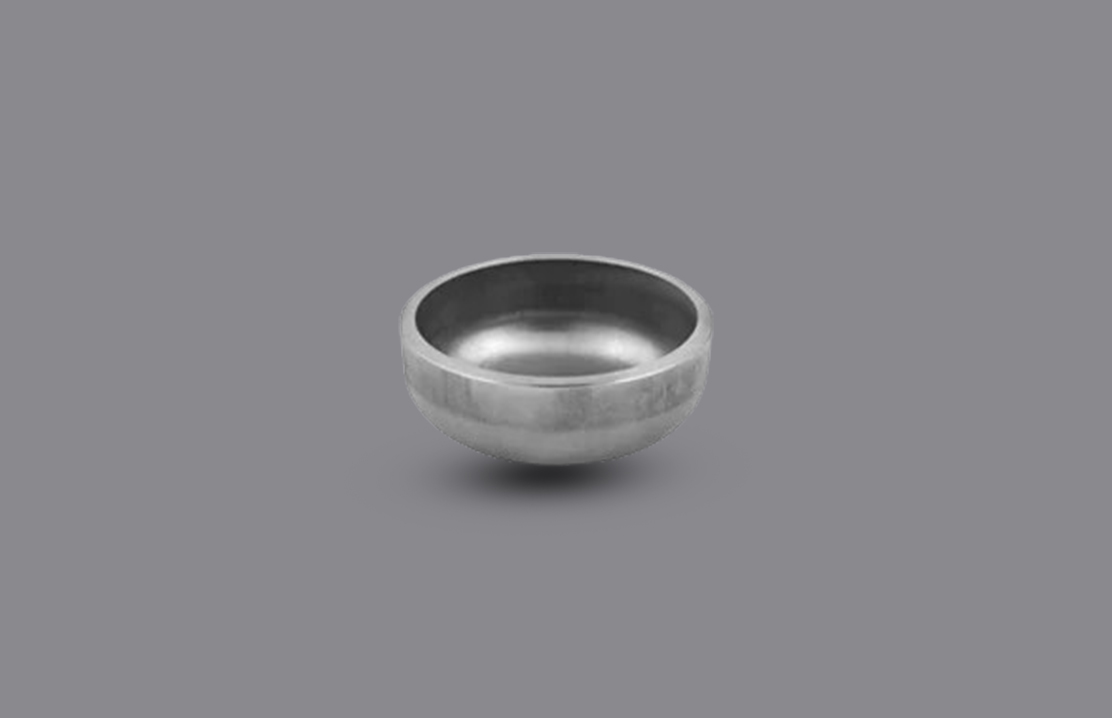
EBY Fasteners’ SS / Duplex and Super Duplex Caps Ellipsoidal find extensive applications in industries like oil and gas, petrochemicals, marine, water treatment, and desalination. They are meticulously manufactured to adhere to relevant industry standards, ensuring compatibility, reliability, and safety within your piping systems
EBY Fasteners’ SS / Duplex and Super Duplex Caps Ellipsoidal find extensive applications in industries like oil and gas, petrochemicals, marine, water treatment, and desalination. They are meticulously manufactured to adhere to relevant industry standards, ensuring compatibility, reliability, and safety within your piping systems
- 304/304L : The most common stainless steel grade, offering good corrosion resistance and weldability. It's a versatile choice for general applications where extreme environments aren't a concern.
- 316/316L : Ideal for applications exposed to chlorides, seawater, and some acids. Its enhanced molybdenum content provides superior resistance to pitting and crevice corrosion compared to 304/304L.
- 2205 (UNS S31803/ S32205) : This workhorse grade offers a great balance of strength, corrosion resistance, and affordability. It's significantly stronger than standard stainless steel and provides better resistance to stress corrosion cracking.
- Lean Duplex (e.g., UNS S32304) : A cost-effective alternative to 2205, offering good strength and corrosion resistance. It's suitable for less demanding conditions compared to those requiring 2205.
- 2507 (UNS S32750) : This grade excels in harsh environments requiring high strength and very high corrosion resistance. It finds applications in aggressive offshore, chemical processing, and desalination systems.
- (UNS S32760) : Provides exceptional resistance to a wide range of highly acidic environments. It offers superior resistance to pitting, crevice corrosion, and stress corrosion cracking, even in chloride-rich conditions
- Standards : Caps typically adhere to standards like ASTM A815/ASME SA815 (for wrought fittings), ASTM A182/ASME SA182 , and MSS SP-43 (for dimensional specifications). These standards ensure consistency and compatibility.
- Nominal Pipe Size (NPS) : Caps are sized according to the standard NPS system, ensuring a perfect fit with your piping. Common sizes range from small-diameter process lines to large industrial piping systems.
- Schedule : Wall thickness is critical for pressure handling. Choose from schedules like SCH 10 (light-duty), SCH 40 (standard), SCH 80 (heavy-duty), or even thicker schedules for extreme pressure applications.
- Type : Seamless caps offer slightly higher strength and pressure ratings due to their manufacturing process. Welded caps can be more cost-effective and are suitable for many applications.
- Material Grade : The specific stainless steel, duplex, or super duplex grade is crucial for matching your operating environment's corrosion challenges. Consider factors like chloride exposure, temperature, and the specific chemicals your system will handle.
- Chemical Composition : Verify that the alloy meets the required percentages of elements like chromium, nickel, and molybdenum to ensure the correct grade and its expected properties.
- Mechanical Properties : Yield strength, tensile strength, and elongation are key indicators of the material's overall strength and how much deformation it can withstand before failure.
- Testing and Certification : Look for Material Test Reports (MTRs) to verify the material's composition and mechanical properties. Hydrostatic pressure testing might be necessary for high-pressure applications. In highly corrosive oil and gas environments, NACE MR0175 compliance ensures the material's suitability for sour gas service
- Corrosion Resistance : SS, duplex, and super duplex caps exhibit excellent resistance to corrosion, making them suitable for use in corrosive environments such as marine, chemical, and offshore applications.
- Strength and Durability : These caps are known for their high strength and durability, ensuring long-term performance even under harsh conditions.
- Pressure Rating : They are designed to withstand high-pressure environments, making them suitable for applications requiring containment of pressurized fluids or gases.
- Temperature Resistance : Caps made from these materials offer good temperature resistance, maintaining their mechanical properties across a wide range of temperatures.
- Versatility : Ellipsoidal caps can be used in various industries such as oil and gas, petrochemical, pharmaceutical, and food processing due to their versatile nature and compatibility with different media.
- Weldability : They are typically weldable, allowing for easy installation and integration into piping systems or vessels.
- Compliance : Caps manufactured from SS, duplex, or super duplex materials often meet industry standards and specifications such as ASTM, ASME, and ANSI, ensuring reliability and quality.
- Low Maintenance : These caps require minimal maintenance and offer a long service life, contributing to cost-effectiveness over time
- Refinery and Petrochemical : Used for sealing and closing pipelines, vessels, and tanks in refinery and petrochemical processes, where resistance to corrosion and high temperatures is crucial.
- Chemical : Suitable for containing and closing chemical processing equipment such as reactors, storage tanks, and pipelines, providing corrosion resistance to various chemicals.
- Oil and Gas : Used in oil and gas exploration, production, and refining operations for sealing pipes, valves, and equipment subjected to harsh environments, including high pressures and corrosive substances.
- Power Plant : Employed in power generation plants for sealing and closing systems such as boilers, heat exchangers, and steam pipelines, offering resistance to high temperatures and pressures.
- Offshore Platforms : Essential for sealing offshore pipelines, risers, and equipment on offshore platforms exposed to saltwater, high pressures, and corrosive conditions.
- Ship Building : Used in shipbuilding for sealing pipes, tanks, and pressure vessels, offering corrosion resistance in marine environments.
- Industrial Machineries : Applied in various industrial machinery and equipment for sealing and closing components exposed to chemical, high temperature, or high-pressure conditions.
- Pharmaceuticals : Utilized in pharmaceutical manufacturing equipment such as reactors, storage tanks, and piping systems, ensuring cleanliness, corrosion resistance, and compliance with regulatory standards.
- Pumps and Compressors : Used as end closures in pumps, compressors, and other fluid handling equipment to maintain pressure and prevent leaks, especially in corrosive fluid handling applications.
- Dairy and Food : Employed in the food and dairy industry for sealing tanks, pipelines, and processing equipment to maintain hygiene, prevent contamination, and resist corrosion from food products.
- Sugar Mills : Used in sugar mills for sealing and closing equipment involved in sugar processing, such as evaporators, crystallizers, and storage tanks.
- Textile Machineries : Applied in textile machinery for sealing and closing components involved in dyeing, finishing, and processing of textiles, offering corrosion resistance and durability.
- Fertilizers and Pesticides : Used in the chemical processing and storage of fertilizers and pesticides, providing resistance to corrosive chemicals and ensuring the integrity of equipment and pipelines
Chemical Composition
| Element | Percentage |
|---|---|
| Carbon (C) | 0.08% max |
| Chromium (Cr) | 18-20% |
| Nickel (Ni) | 8-10.5% |
| Molybdenum (Mo) | 2-3% |
| Manganese (Mn) | 2% max |
| Silicon (Si) | 1% max |
| Phosphorus (P) | 0.045% max |
| Sulfur (S) | 0.03% max |
SS / duplex & super duplex Seamless Buttweld Fittings