SS / Duplex & Super Duplex Socket weld Flange
Home - SS / duplex & super duplex - SS / duplex & super duplex Flanges - SS / Duplex & Super Duplex Socket weld Flange
SS / Duplex and Super Duplex Socket weld Flange
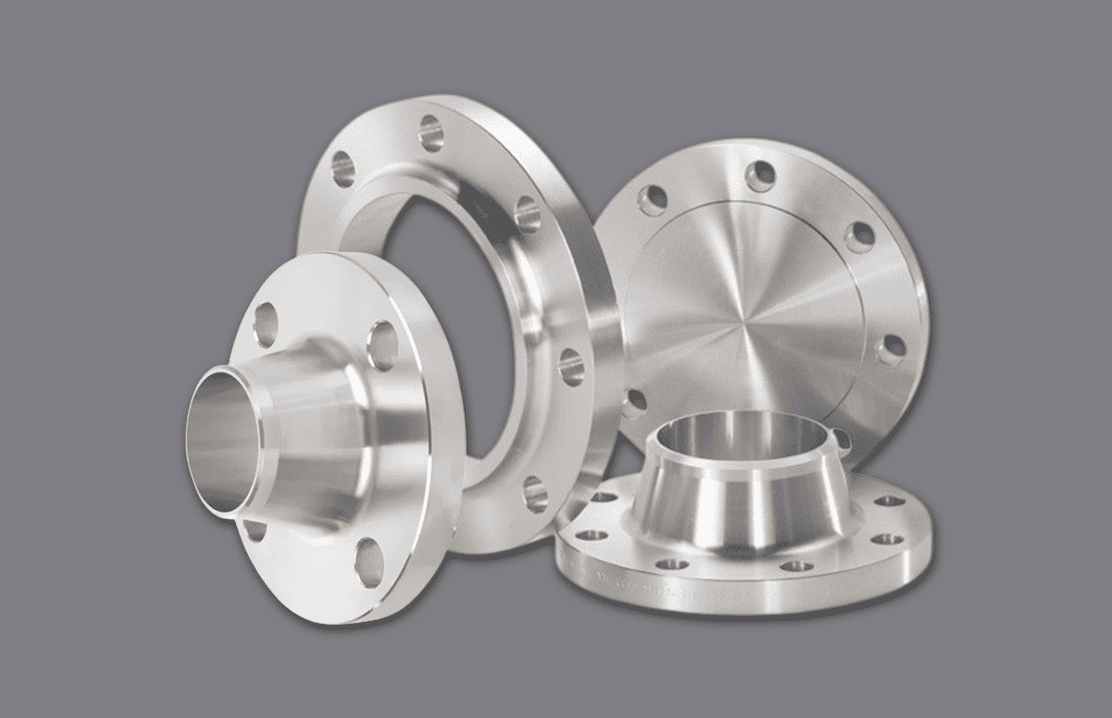
EBY Fasteners offers premium quality SS / Duplex and Super Duplex Socket weld Flanges designed for demanding applications. Our stainless steel (SS) socket weld flanges provide exceptional corrosion resistance and suit environments where strength and durability are essential. These flanges are widely used in industries ranging from chemical processing to marine applications
For even greater performance, our Duplex and Super Duplex Socket weld Flanges offer unmatched strength and corrosion resistance. Duplex flanges combine the benefits of ferritic and austenitic stainless steels for improved chloride stress cracking resistance. Super Duplex flanges are the ultimate choice for harsh environments due to their remarkable resistance to pitting, crevice corrosion, and general corrosion
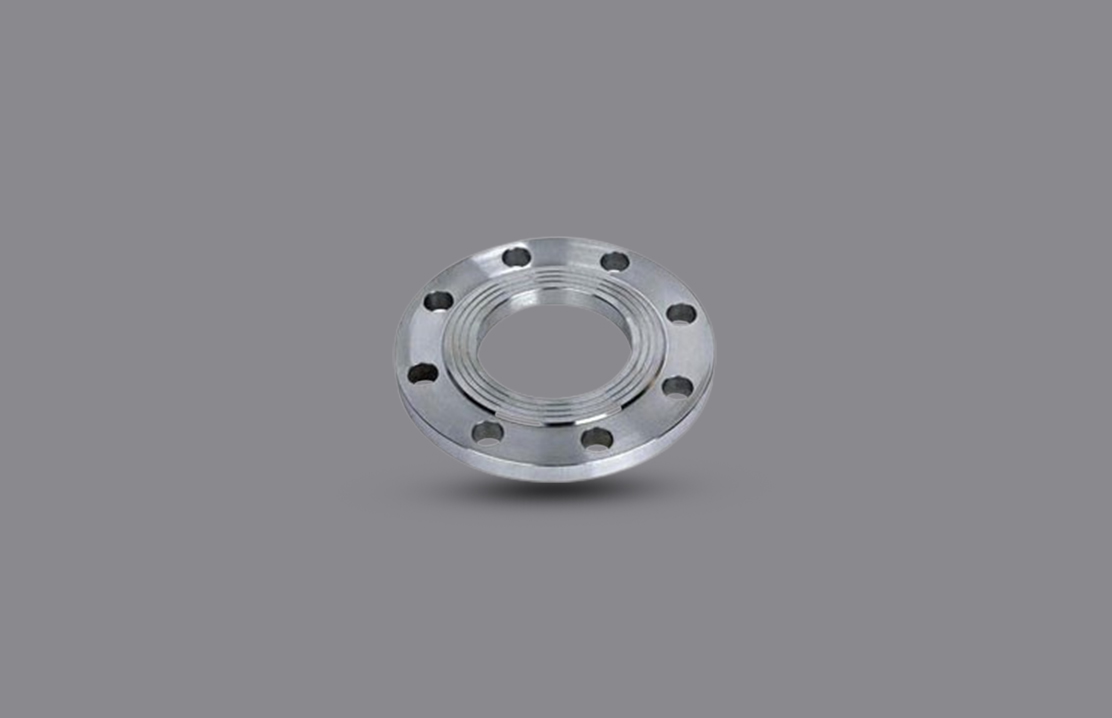
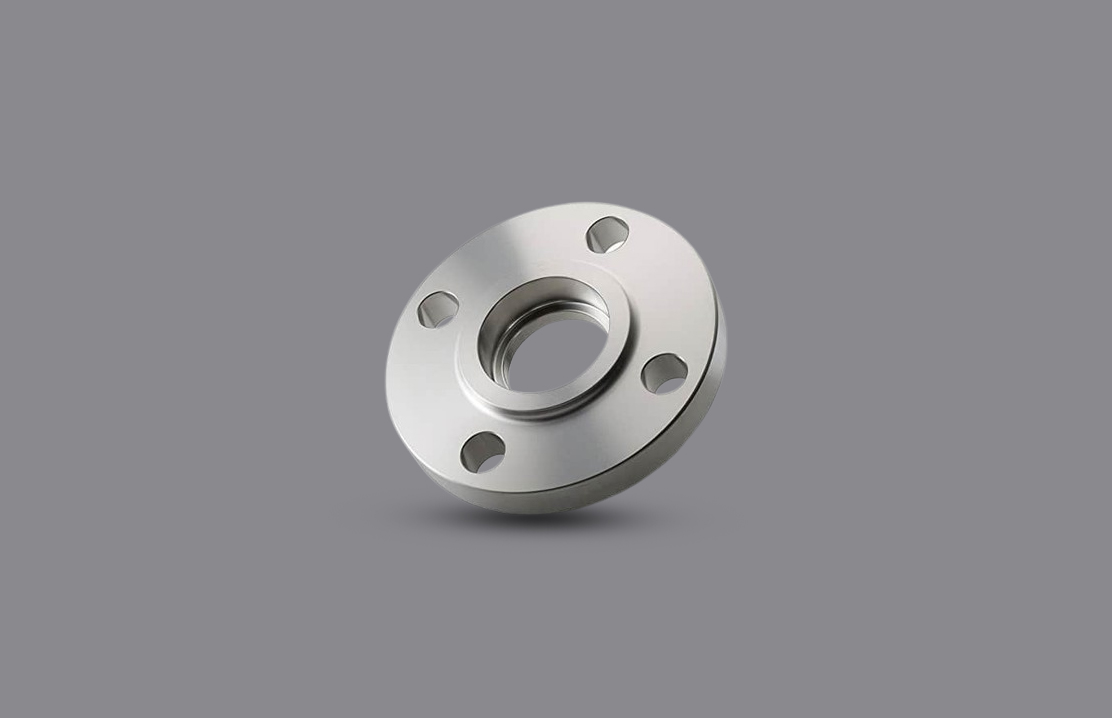
EBY Fasteners is your trusted source for SS / Duplex and Super Duplex Socket weld Flanges. We maintain a comprehensive inventory to meet your project needs and ensure timely delivery. Our commitment to quality and customer satisfaction guarantees you receive top-tier flanges backed by exceptional service
EBY Fasteners is your trusted source for SS / Duplex and Super Duplex Socket weld Flanges. We maintain a comprehensive inventory to meet your project needs and ensure timely delivery. Our commitment to quality and customer satisfaction guarantees you receive top-tier flanges backed by exceptional service
- ASTM A182, A240 : ASTM A182 dictates specifications for forged or rolled alloy and stainless steel flanges used in pipelines and pressure systems. ASTM A240 covers chromium and chromium-nickel stainless steel plate, sheet, and strip for pressure vessels and general applications.
- F304/304L/304H : The workhorses of stainless steel, offering good corrosion resistance and formability. 304L is a lower carbon version for improved weldability, 304H for higher temperature service.
- F316/316L/316Ti : Enhanced corrosion resistance due to molybdenum addition, especially against chlorides. 316L is the low-carbon variant, 316Ti stabilized with titanium for high-temperature use.
- Others (310, 321, 347, 904L) : These grades offer niche benefits like extreme temperature resistance (310), stabilization against carbide precipitation (321, 347), or exceptional corrosion performance in aggressive environments (904L).
- F44, F51, F60 : Cover the common Duplex (F44) and Super Duplex (F51, F60) options. These offer superior strength and corrosion resistance compared to standard stainless steels.
- F45, F53, F55, F61 : These grades represent less common, but sometimes specialized variations within the Duplex and Super Duplex families, fine-tuned for specific strength or corrosion-resistant properties
- Standards and Dimensions : Key standards like ASTM A182/ASME SA182, ANSI/ASME B16.5, and ANSI/ASME B16.11 govern the design and dimensions of socket weld flanges. Additional standards (like EN, DIN, or BS) may apply depending on your location.
- Size and Pressure Ratings : Nominal Pipe Size (NPS) indicates flange size, while pressure class (e.g., 150#, 300#) denotes maximum safe operating pressure. Flange face type (Raised Face, Flat Face, or Ring Type Joint) is crucial for proper sealing and gasket choice.
- Material Specifications : Stainless steel (304/304L, 316/316L), Duplex (commonly 2205), and Super Duplex (2507 or Zeron 100) grades offer varying levels of corrosion resistance and strength. Refer to the chemical composition of each grade to understand its specific properties.
- Mechanical Properties : Consider tensile strength (breaking point), yield strength (permanent deformation point), elongation (ductility), and hardness (wear resistance) when selecting your flange material.
- Manufacturing and Quality : Most socket weld flanges are forged for strength. Heat treatment may be used, and surface finish impacts smoothness and corrosion resistance. Thorough testing and inspection (dimensional, hydrostatic, material analysis, non-destructive) are essential for quality assurance.
- Important Considerations : Match flange material to your piping to prevent galvanic corrosion. Ensure the grade is suitable for your system's operating temperature and the specific corrosive chemicals it will be exposed to
- Corrosion Resistance : A defining characteristic across all grades, with varying degrees of resilience. Stainless steel provides good baseline protection, Duplex enhances this resistance, and Super Duplex offers unparalleled protection against pitting, crevice corrosion, and aggressive chemicals, especially those containing chlorides.
- Strength : These flanges offer inherent strength, making them suitable for demanding applications. Duplex and Super Duplex significantly outperform standard stainless steel in terms of yield strength and tensile strength. This allows for the use of thinner and lighter flanges, potentially reducing system weight and cost.
- Weldability : With the proper techniques and filler materials, all grades can be welded to form secure and reliable pipe connections. Specific care might be needed for Duplex and Super Duplex to maintain their optimal properties in the welded area.
- Temperature Tolerance : These materials are suitable for a range of operating temperatures. However, specific temperature limits for safe and reliable operation will vary depending on the exact grade chosen.
- Design Versatility : The socket weld design provides a convenient, secure, and leak-resistant way to join pipes without the need for threading. Manufacturing according to industry standards ensures compatibility, simplifies installation, and supports interchangeability within piping systems
- Refinery & Petrochemical : Socket weld flanges find use in less demanding process lines, utility lines (like cooling water systems), and heat exchangers handling less corrosive fluids.
- Chemical : Employed in storage tanks for less corrosive chemicals, as well as in utility pipelines carrying water, steam, or less aggressive process fluids.
- Oil & Gas : Utilized in gathering and distribution pipelines (particularly Super Duplex for corrosion resistance), and in utility systems handling water, compressed air, and similar fluids.
- Power Plant : Primarily used in cooling water systems and auxiliary piping where pressures are lower, favoring ease of installation and maintenance.
- Offshore Platforms : Found in utility pipelines (firewater, seawater, non-critical process lines), and within ballast systems where Super Duplex's superior corrosion resistance in marine environments is crucial.
- Ship Building : Primarily used in ship ballast water systems (Super Duplex) for long-term corrosion resistance, and potentially in less critical utility piping (fuel oil, cooling water).
- Industrial Machineries : Employed for connecting pipes and tubes in various industrial machines where corrosion resistance and moderate pressure handling are needed.
- Pharmaceuticals : Used in pipelines and vessels handling less aggressive chemicals within pharmaceutical production facilities.
- Pumps & Compressors : Provide secure connections within piping systems associated with pumps and compressors, ensuring reliable fluid transfer.
- Dairy & Food : Utilized in pipelines and food processing equipment where hygiene standards and resistance to moderately corrosive substances are required.
- Sugar Mills : Found in applications where moderate corrosion resistance is sufficient, such as pipelines and equipment with less aggressive process fluids.
- Textile Machineries : Used for connecting pipes and tubes in textile machinery, potentially where some level of corrosion resistance is required.
- Fertilizers & Pesticides : Employed in pipelines and vessels handling less aggressive fertilizer and pesticide solutions
Chemical Composition
| Element | Weight% |
|---|---|
| Chromium (Cr) | 22% |
| Nickel (Ni) | 5.50% |
| Molybdenum (Mo) | 3% |
| Nitrogen (N) | 0.15% |
| Carbon © | 0.03% max |
| Manganese (Mn) | 2% max |
| Silicon (Si) | 1% max |
| Phosphorus (P) | 0.03% max |
| Sulfur (S) | 0.02% max |
SS / Duplex & Super Duplex Flanges